 :
:






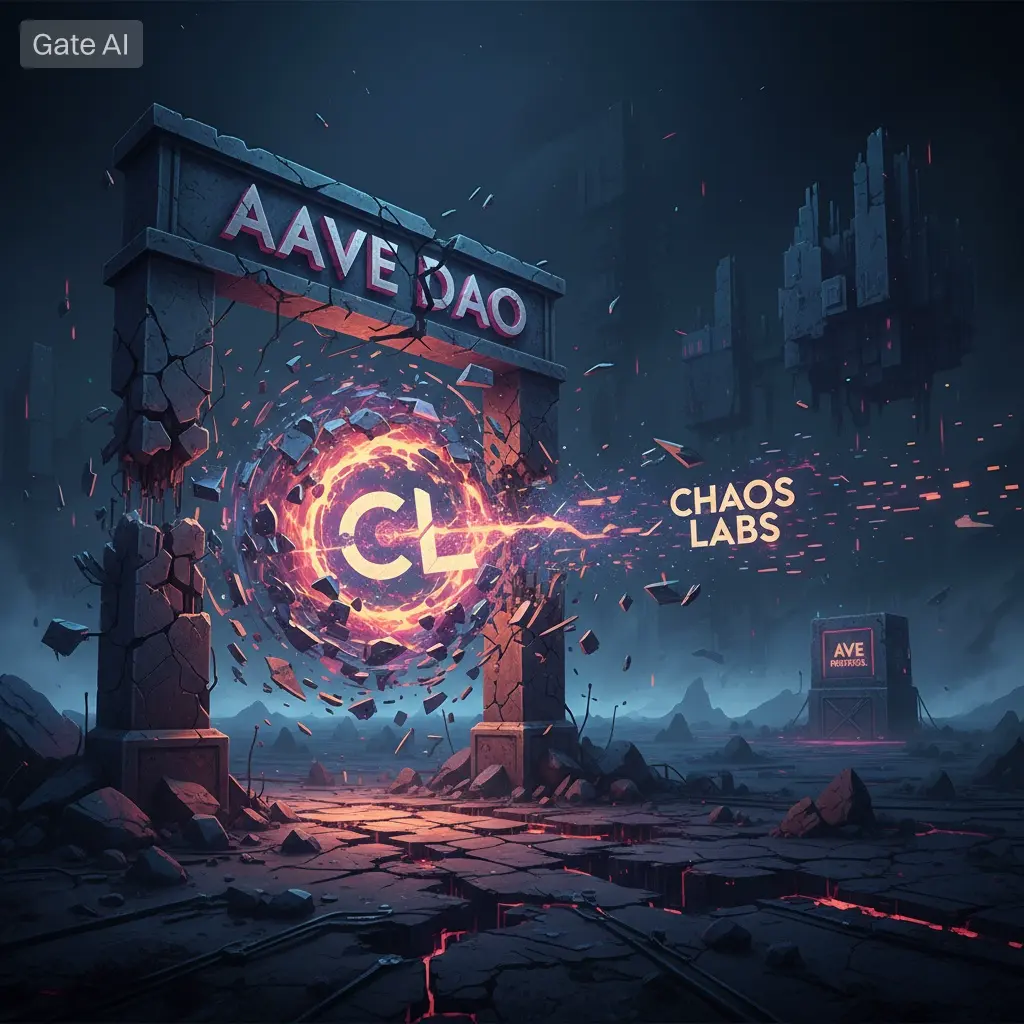
#ChaosLabsExitsAaveDAO
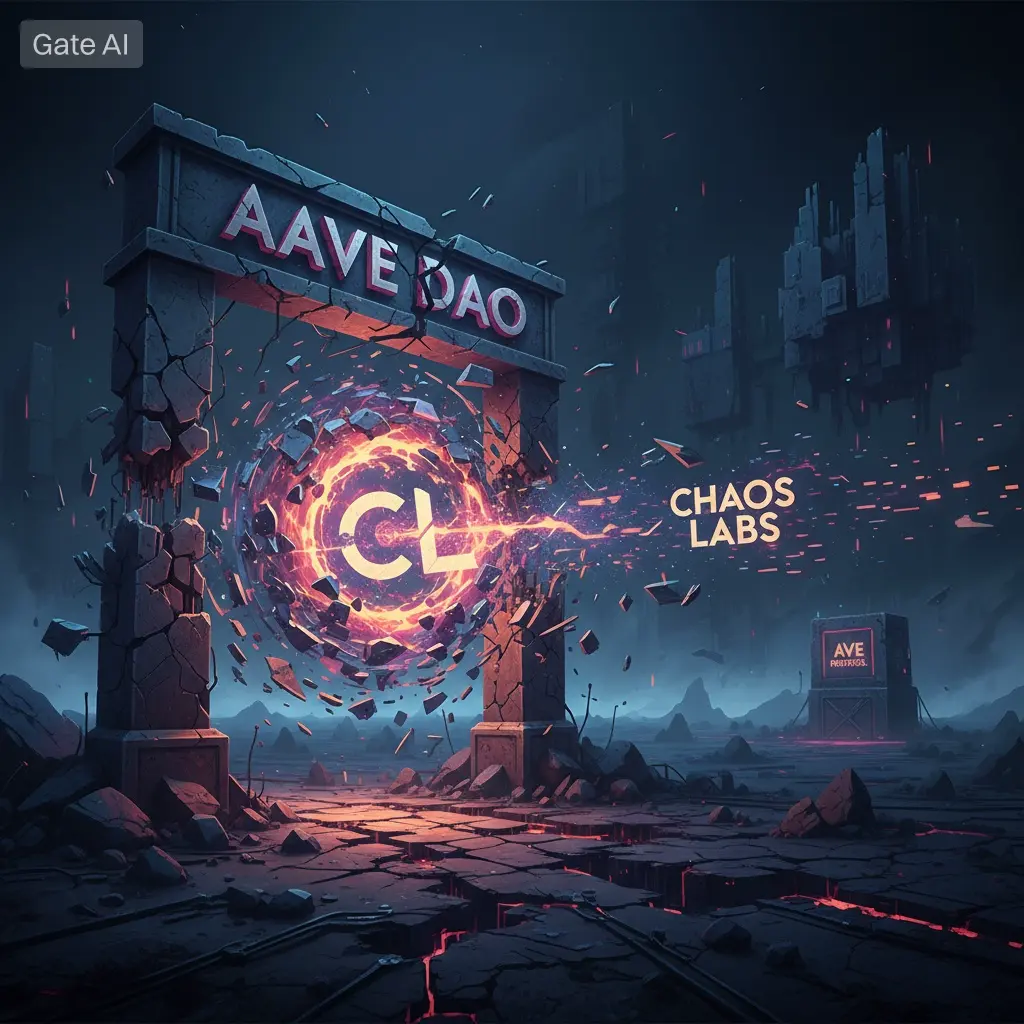
The departure of Chaos Labs from Aave DAO represents one of the most critical shifts in decentralized finance this year. What appears on the surface as a contributor's exit is actually a structural pressure event for one of the largest lending protocols in the crypto ecosystem.
To understand the magnitude of this development, it’s essential to recognize the role Chaos Labs played within Aave. For three years, the company served as the primary risk engine for the protocol, effectively functioning as a peer to risk managers in traditional finance.
During its tenure, Chaos Labs managed key parameters such as collateral ratios, liquidation thresholds, and borrowing limits. These are not secondary settings—they define the safety and sustainability of the entire protocol. The fact that Aave maintained no significant bad debts during this period is a testament to the effectiveness of that system.
This makes the departure particularly concerning. Unlike a typical company exit where responsibilities can be redistributed internally, Aave operates under a decentralized governance model. There is no central authority that can immediately replace such a vital function.
The broader context deepens the concern. Chaos Labs is not the only major contributor to recently depart. The exit of several key teams over a short period has created a governance vacuum at a time when the protocol is preparing for a major architectural upgrade.
At the center of the controversy is Omer Goldberg, a leader who publicly explained the reasons for leaving. His statements point to a combination of technical, financial, and governance challenges that had been accumulating over time.
One immediate trigger was the liquidation incident involving an oracle-related amount of $27 million. Although the system responded quickly to contain the damage, the event exposed vulnerabilities in the automated risk management systems and raised questions about accountability within a decentralized framework.
It also revealed a deeper issue within DeFi: reliance on oracles. These systems, which feed real-world data into blockchain protocols, remain some of the most fragile components of decentralized infrastructure. Even minor misconfigurations can lead to widespread financial consequences.
Another key factor behind the departure is the upcoming upgrade to Aave V4. This new architecture introduces a core-sub model, significantly increasing efficiency and complexity. While promising in theory, it also greatly expands risk management scope.
For Chaos Labs, this means taking on greater responsibility without a corresponding increase in compensation. The company reportedly requested a budget of $5 million to manage this expanded mandate—a figure ultimately rejected by the DAO.
This decision has become a focal point for criticism. A protocol generating substantial annual revenue refusing to allocate a relatively small percentage to its most critical operational function reflects a recurring governance issue.
Decentralized governance is often praised for distributing power among token holders. However, in practice, it can lead to underinvestment in core infrastructure. Contributors performing high-risk, high-responsibility roles may find themselves undercompensated and overly exposed.
Over time, this creates a talent retention problem. Skilled teams may choose to leave rather than continue working under unsustainable conditions. Chaos Labs’ departure is a clear example of this dynamic.
The timing couldn’t be worse. With the V4 upgrade approaching, Aave now lacks a dedicated risk management team capable of guiding the transition safely. This creates uncertainty not only for developers but also for users and institutional participants.
From a market perspective, this uncertainty is already reflected in the AAVE token price. The asset has shown significant weakness, declining even amid broader market downturns.
This poor performance is not purely technical—it’s structural. Investors price in governance risks, which are often harder to measure than market volatility. A protocol without stable governance becomes inherently less predictable.
Liquidity is another area of concern. Aave currently holds tens of billions in total value locked, but this capital is highly sensitive to perceived risks. Even a simple outflow can trigger cascading effects on yields, borrowing activity, and overall protocol health.
It also creates opportunities for competitors. Other lending protocols may benefit from capital reallocation as users seek safer or more stable environments. In DeFi, trust and stability are as valuable as returns.
Beyond Aave, this event has broader implications for the entire DeFi ecosystem. It challenges the assumption that decentralized governance models are inherently effective or sustainable at scale. In reality, they require careful design and ongoing adjustments.
The core issue lies in incentive alignment. Token holders often focus on short-term treasury preservation, while contributors need long-term financial stability. When these priorities clash, the system begins to fracture.
Looking ahead, Aave’s future depends on how quickly and effectively the DAO responds. Replacing a firm like Chaos Labs is no easy task, especially given the technical and financial demands of the role.
Several outcomes are possible. A swift replacement could restore confidence and stabilize the protocol. However, a prolonged gap might lead to further capital outflows and continued downward pressure on the price.
There’s also a more optimistic scenario where this crisis prompts structural reforms. Addressing compensation models and governance inefficiencies could allow Aave to emerge stronger and more resilient in the long run.
Ultimately, Chaos Labs’ departure is more than an isolated event. It’s a real-time case study of the challenges facing decentralized governance, highlighting the gap between theoretical principles and operational realities.
For market participants, the message is clear: technical prowess alone is not enough. Governance, incentives, and human capital are critical components of any financial system—centralized or decentralized. #CreatorLeaderboard
The departure of Chaos Labs from Aave DAO represents one of the most critical shifts in decentralized finance this year. What appears on the surface as a contributor's exit is actually a structural pressure event for one of the largest lending protocols in the crypto ecosystem.
To understand the magnitude of this development, it’s essential to recognize the role Chaos Labs played within Aave. For three years, the company served as the primary risk engine for the protocol, effectively functioning as a peer to risk managers in traditional finance.
During its tenure, Chaos Labs managed key parameters such as collateral ratios, liquidation thresholds, and borrowing limits. These are not secondary settings—they define the safety and sustainability of the entire protocol. The fact that Aave maintained no significant bad debts during this period is a testament to the effectiveness of that system.
This makes the departure particularly concerning. Unlike a typical company exit where responsibilities can be redistributed internally, Aave operates under a decentralized governance model. There is no central authority that can immediately replace such a vital function.
The broader context deepens the concern. Chaos Labs is not the only major contributor to recently depart. The exit of several key teams over a short period has created a governance vacuum at a time when the protocol is preparing for a major architectural upgrade.
At the center of the controversy is Omer Goldberg, a leader who publicly explained the reasons for leaving. His statements point to a combination of technical, financial, and governance challenges that had been accumulating over time.
One immediate trigger was the liquidation incident involving an oracle-related amount of $27 million. Although the system responded quickly to contain the damage, the event exposed vulnerabilities in the automated risk management systems and raised questions about accountability within a decentralized framework.
It also revealed a deeper issue within DeFi: reliance on oracles. These systems, which feed real-world data into blockchain protocols, remain some of the most fragile components of decentralized infrastructure. Even minor misconfigurations can lead to widespread financial consequences.
Another key factor behind the departure is the upcoming upgrade to Aave V4. This new architecture introduces a core-sub model, significantly increasing efficiency and complexity. While promising in theory, it also greatly expands risk management scope.
For Chaos Labs, this means taking on greater responsibility without a corresponding increase in compensation. The company reportedly requested a budget of $5 million to manage this expanded mandate—a figure ultimately rejected by the DAO.
This decision has become a focal point for criticism. A protocol generating substantial annual revenue refusing to allocate a relatively small percentage to its most critical operational function reflects a recurring governance issue.
Decentralized governance is often praised for distributing power among token holders. However, in practice, it can lead to underinvestment in core infrastructure. Contributors performing high-risk, high-responsibility roles may find themselves undercompensated and overly exposed.
Over time, this creates a talent retention problem. Skilled teams may choose to leave rather than continue working under unsustainable conditions. Chaos Labs’ departure is a clear example of this dynamic.
The timing couldn’t be worse. With the V4 upgrade approaching, Aave now lacks a dedicated risk management team capable of guiding the transition safely. This creates uncertainty not only for developers but also for users and institutional participants.
From a market perspective, this uncertainty is already reflected in the AAVE token price. The asset has shown significant weakness, declining even amid broader market downturns.
This poor performance is not purely technical—it’s structural. Investors price in governance risks, which are often harder to measure than market volatility. A protocol without stable governance becomes inherently less predictable.
Liquidity is another area of concern. Aave currently holds tens of billions in total value locked, but this capital is highly sensitive to perceived risks. Even a simple outflow can trigger cascading effects on yields, borrowing activity, and overall protocol health.
It also creates opportunities for competitors. Other lending protocols may benefit from capital reallocation as users seek safer or more stable environments. In DeFi, trust and stability are as valuable as returns.
Beyond Aave, this event has broader implications for the entire DeFi ecosystem. It challenges the assumption that decentralized governance models are inherently effective or sustainable at scale. In reality, they require careful design and ongoing adjustments.
The core issue lies in incentive alignment. Token holders often focus on short-term treasury preservation, while contributors need long-term financial stability. When these priorities clash, the system begins to fracture.
Looking ahead, Aave’s future depends on how quickly and effectively the DAO responds. Replacing a firm like Chaos Labs is no easy task, especially given the technical and financial demands of the role.
Several outcomes are possible. A swift replacement could restore confidence and stabilize the protocol. However, a prolonged gap might lead to further capital outflows and continued downward pressure on the price.
There’s also a more optimistic scenario where this crisis prompts structural reforms. Addressing compensation models and governance inefficiencies could allow Aave to emerge stronger and more resilient in the long run.
Ultimately, Chaos Labs’ departure is more than an isolated event. It’s a real-time case study of the challenges facing decentralized governance, highlighting the gap between theoretical principles and operational realities.
For market participants, the message is clear: technical prowess alone is not enough. Governance, incentives, and human capital are critical components of any financial system—centralized or decentralized. #CreatorLeaderboard