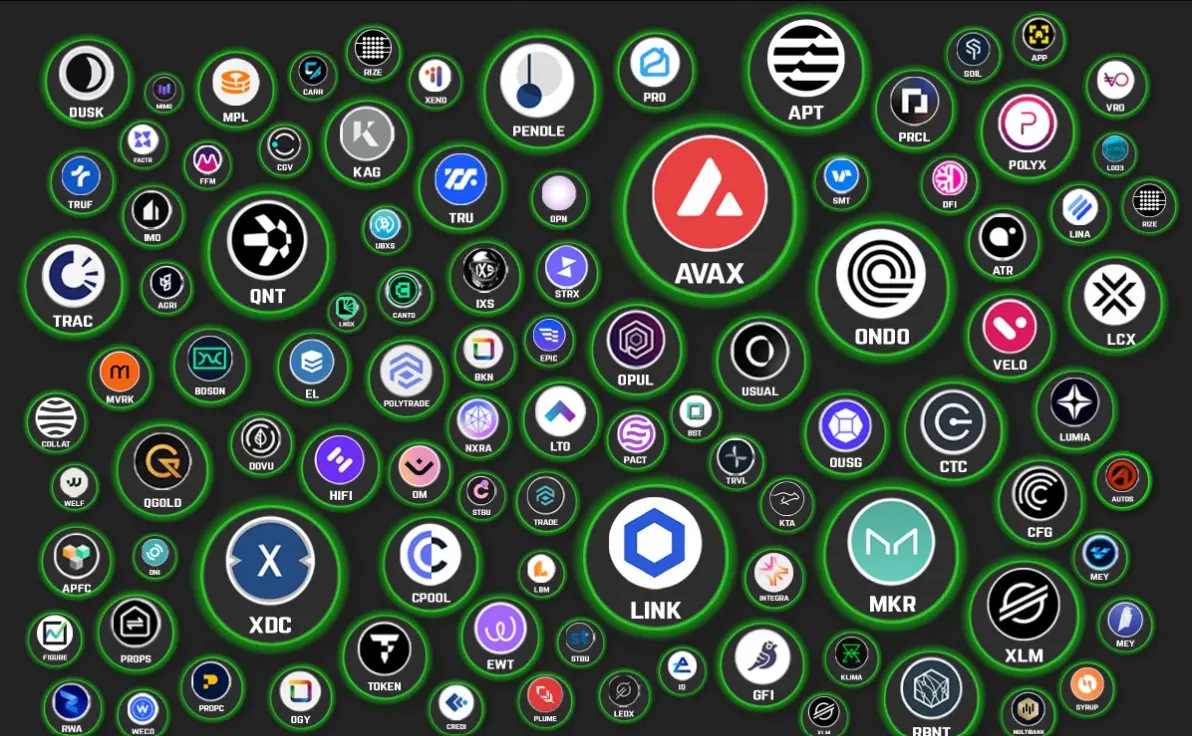
This is what a serious data stack on $SEI looks like. Chainlink and Pyth for pricing. Dune, Messari, Artemis for analytics. Etherscan and Nansen for visibility. When all of this runs on the same rails, execution, pricing, and market insight stay tightly aligned.
Q4, Part 2 for $SEI. AI and consumer activity picked up. Sakura Nexus sold out its Genesis NFT quickly, while Kindred AI and Memecore pushed large-scale AI unit distribution on-chain. Different verticals showing traction at the same time. Network effects starting to compound.
Santiment: Historically, the best “recipe” for a bear pattern to flip to a bullish one is when large wallets accumulate, and retail dumps. The second half of 2025 was dominated by aggressive accumulation by the small wallets, while large wallets essentially stayed flat (rising up to the Oct. ATH, then selling).
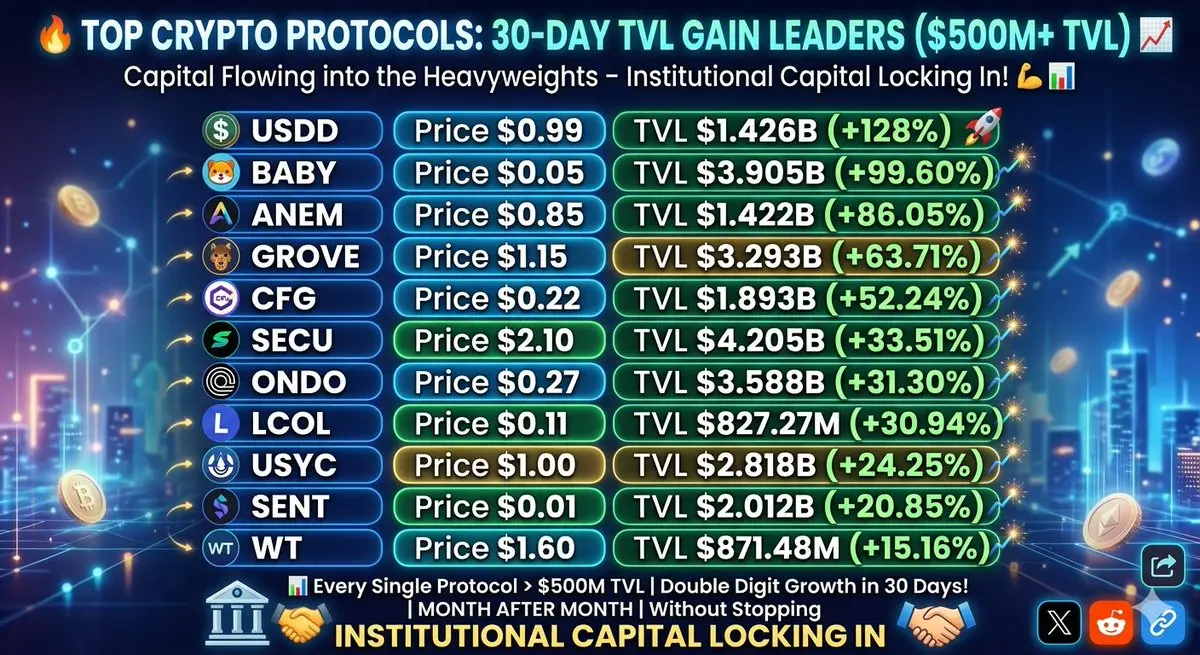
Sentora: DeFi TVL was highly volatile this year, climbing to multi year highs in October. Although it has since pulled back meaningfully, the baseline remains well above last year’s levels, suggesting a more mature DeFi market with several major protocols consolidating and strengthening their positions.
Real-world asset protocols have surpassed DEXs to become the fifth-largest DeFi category by TVL, hitting $17B as tokenized Treasurys, private credit and commodities rapidly move into the core of onchain finance.
Q3, Part 2 for $SEI. Consumer apps start to matter here. Oxium shipped mobile trading on Sei, pushing execution closer to real time for active traders. Low latency, mobile-first access, and UX that looks closer to TradFi than typical onchain trading.
Q3, Part 1 for $SEI. Shift toward developer throughput. Cambrian AI shipped a natural language app builder on Sei, lowering the cost of going from idea to on-chain deployment. Faster prototyping, quicker iteration cycles, and early signs of AI-assisted development becoming part of the standard builder stack.