✨ New Center for Global Crypto Regulation: Hong Kong
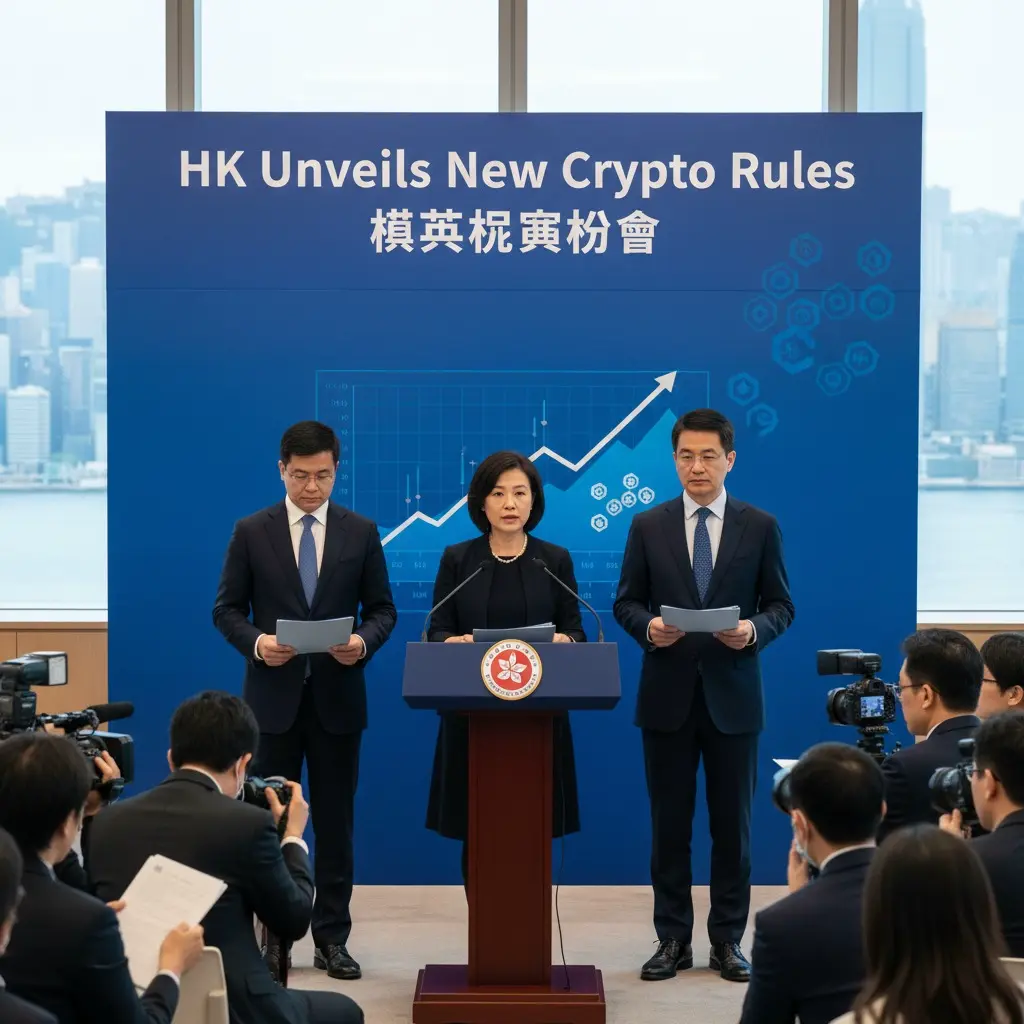
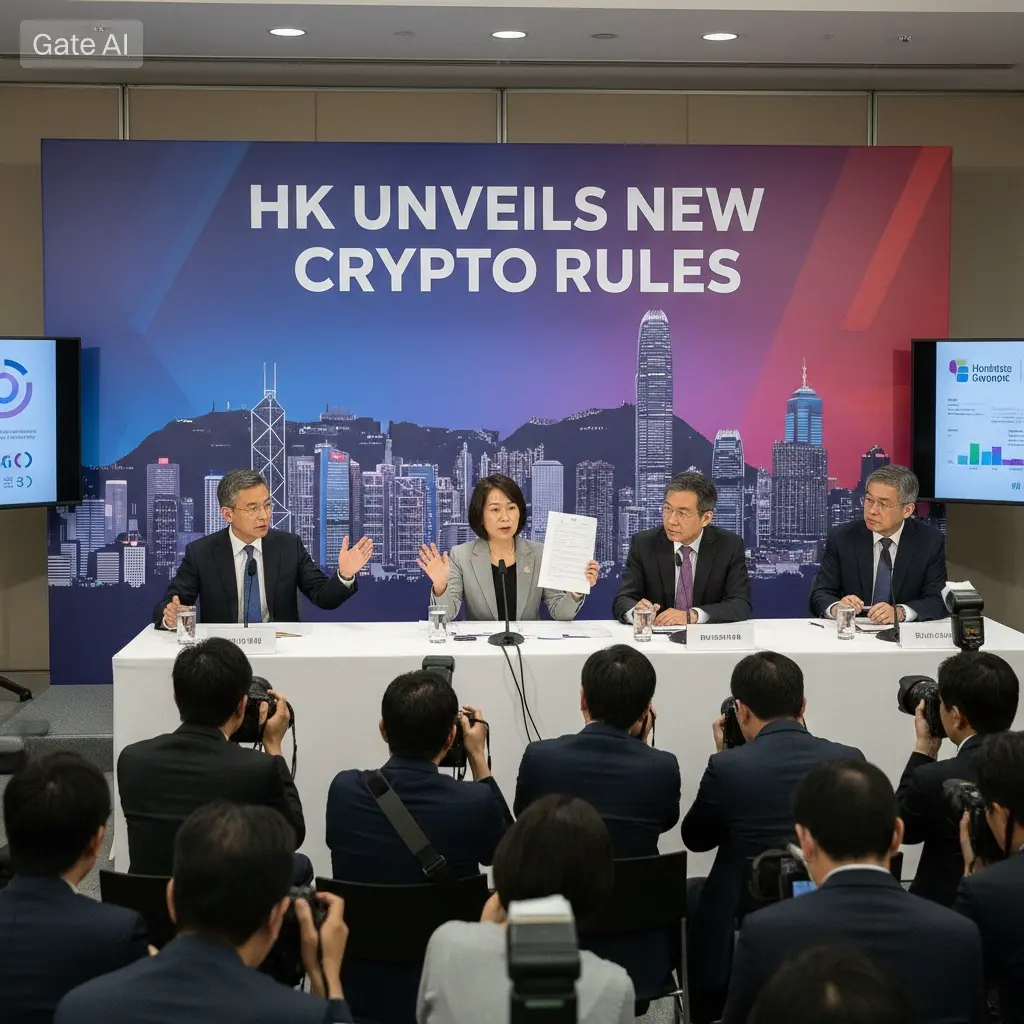
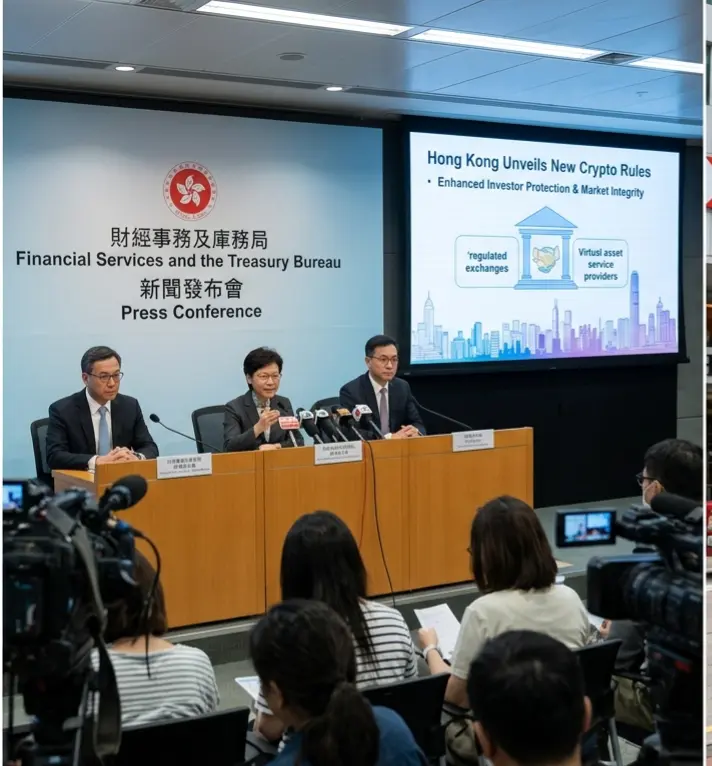
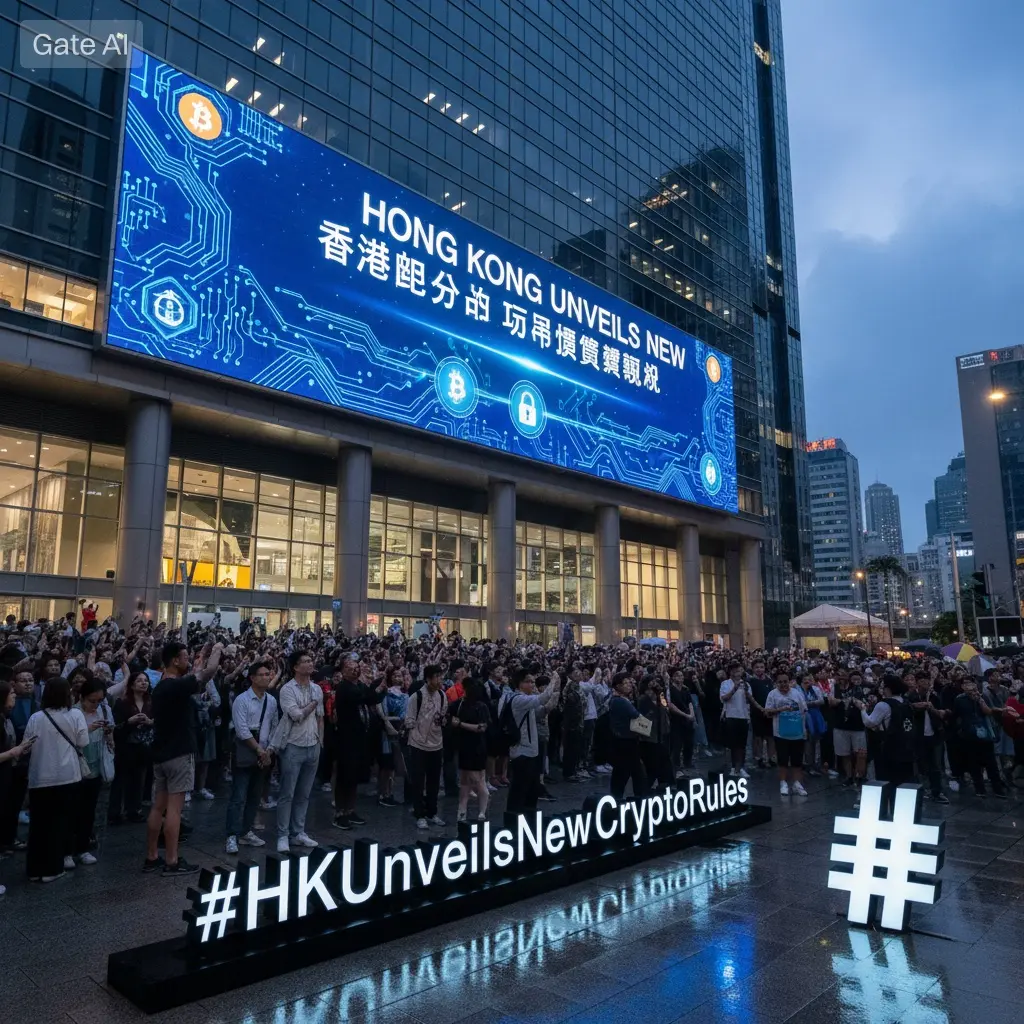
#HKUnveilsNewCryptoRules
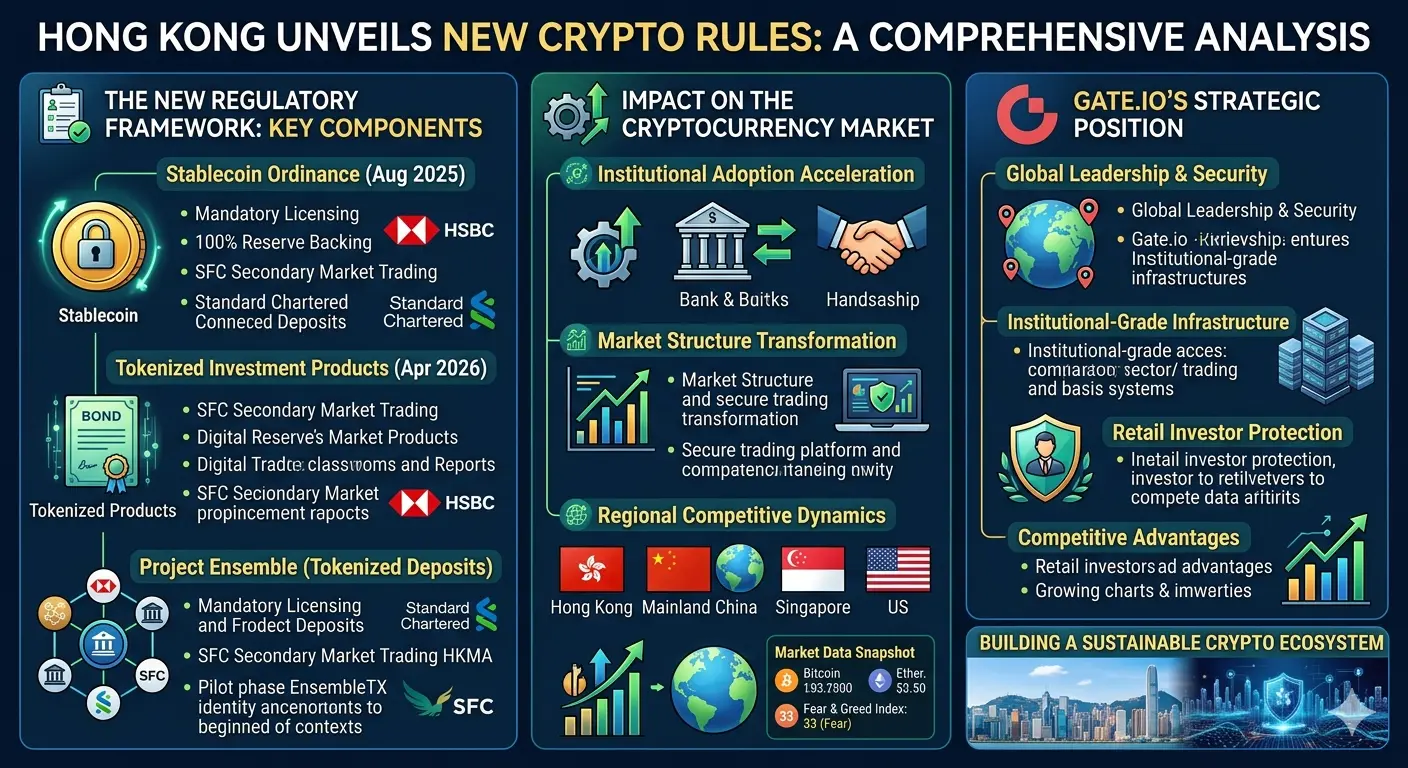
Hong Kong is rapidly moving towards becoming a global standard-setter in crypto asset regulation by 2026. Newly announced and implemented regulations directly impact not only the local market but also the direction of the global Web3 ecosystem.
✨ This move makes Hong Kong one of the rare financial centers that can strike a balance between “regulation + innovation.”
✨ What Has Changed?
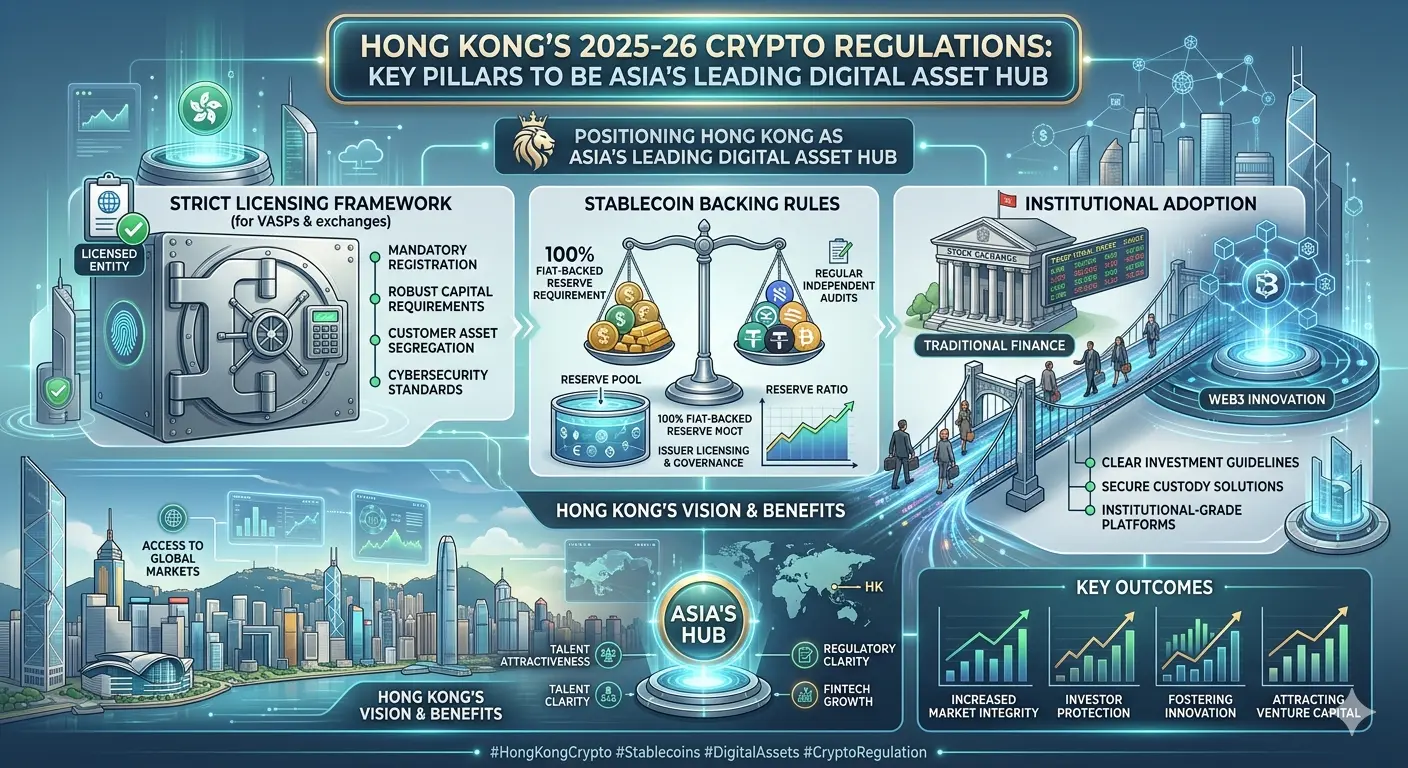
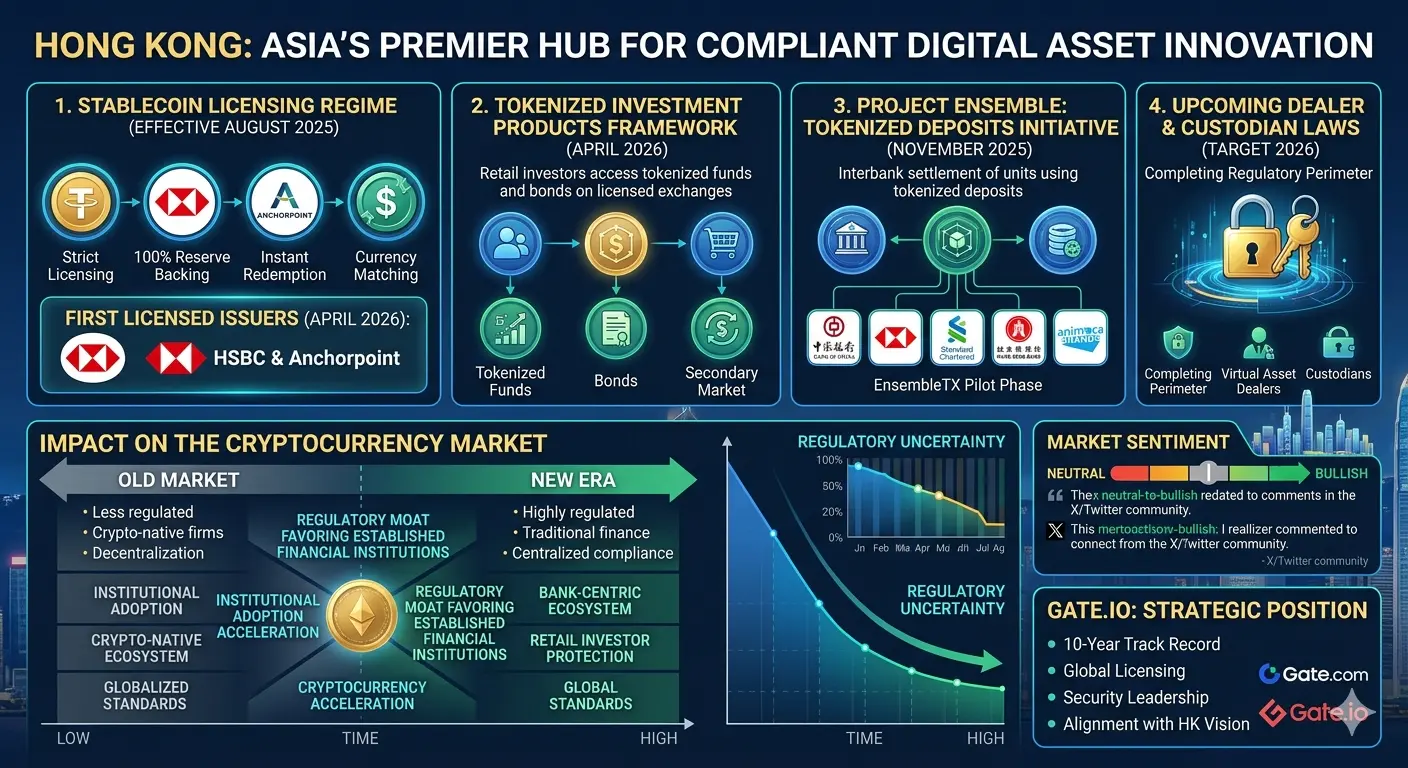
✨ Stablecoin Regulation Officially Goes Into Effect
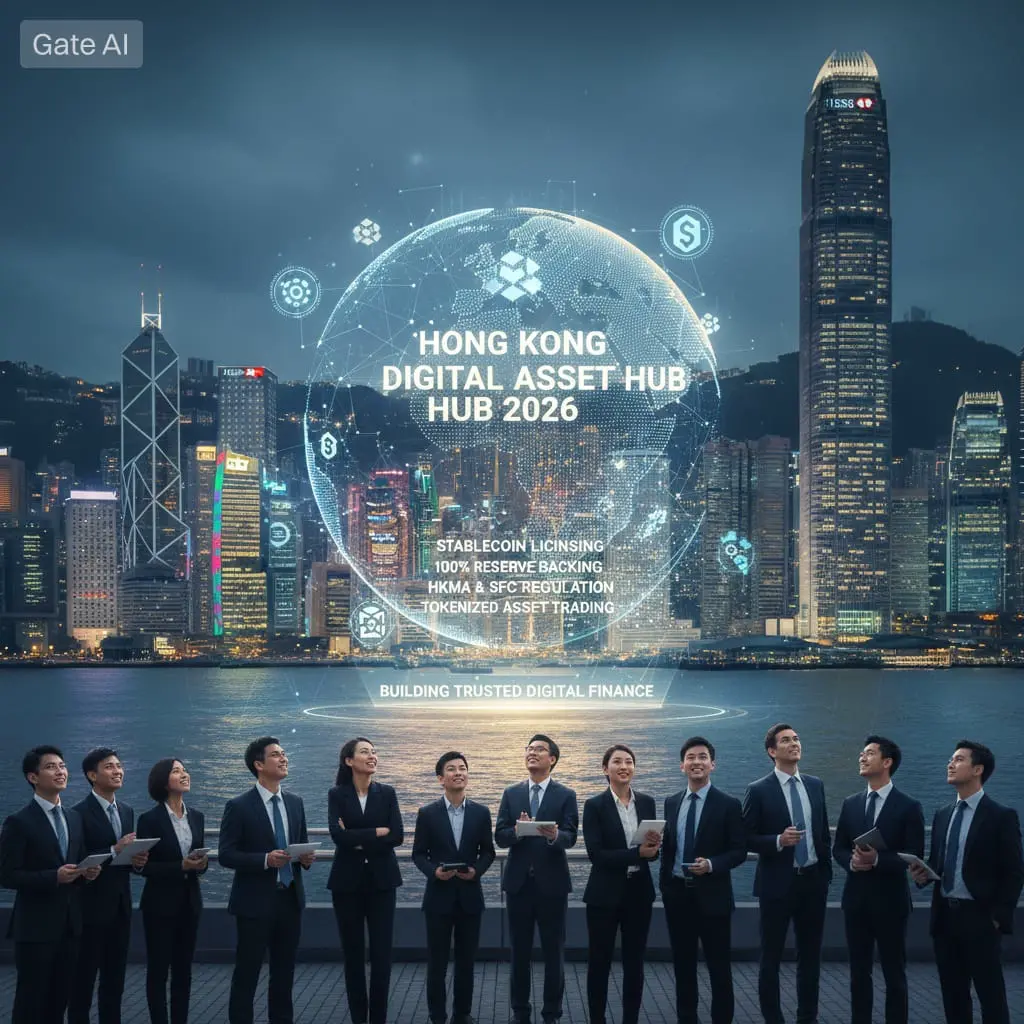
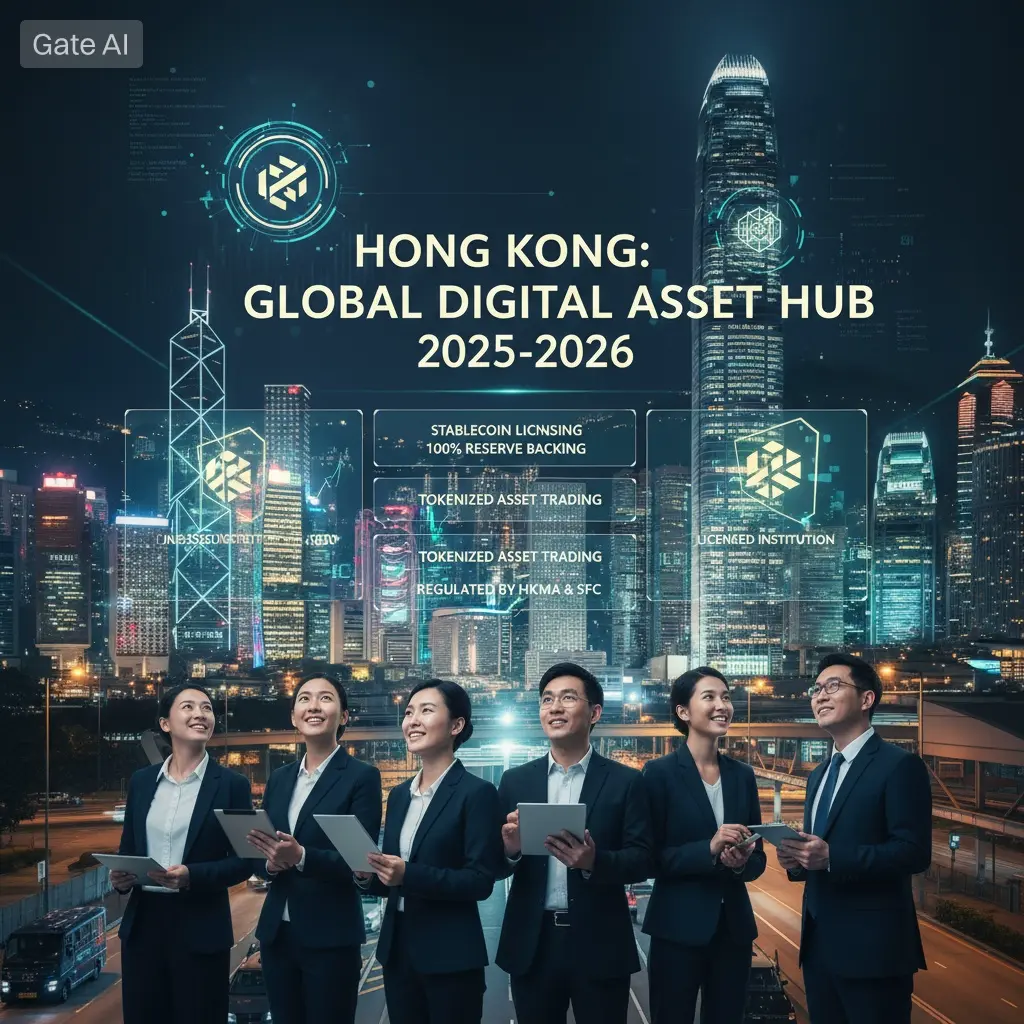
Following the Stablecoin Ordinance, which came into effect in 2025, the first licenses were issued in 2026.
HSBC and Standard Chartered-linked entities were among the first licensed issuers.
Stablecoin issuance is now a regulated activity requiring a license.
✨ Scope Expanding: Not Just Exchanges
New regulations include:
🔹Crypto trading platforms
🔹Custody services
🔹Portfolio management and consulting
Expanding to include these areas
✨ Mandatory Compliance and Audit Mechanism
AML (anti-money laundering) and CFT (terrorist financing) rules have been tightened
Licensed firms are now required to: protect customer assets, monitor transactions, and conduct risk-based audits
✨ Critical Data
✨ Digital assets held in banks: $14 billion+
✨ Tokenized deposits: Reached $29 billion
✨ Stablecoin market size globally: $300 billion+
👉 This data shows that regulations aim not only to control but also to drive growth.
✨ Strategic Moves
✨ Licensing = Building Trust
Hong Kong aims to increase institutional investor confidence through its licensing mechanism.
✨ Tokenization Economy
New regulations open up ample space for tokenized assets and digital finance products.
✨ Competitive Strategy
Hong Kong competing with Singapore, Dubai, and the US:
➡️ Clearer regulations
➡️ Faster licensing processes
➡️ Offers a wider range of products
✨ Market Impact
✨ Lower barriers to entry for institutional players
✨ Reduced regulatory uncertainty → increased investment appetite
✨ Stablecoins become the primary tool in payments and commerce
However:
⚠️ Excessive regulation → may slow down innovation
⚠️ Global non-compliance → may create a risk of market fragmentation
✨ My Opinion
✨ Short Term:
Regulation clarity → increased capital flow
✨ Medium Term:
Hong Kong → Asia's crypto finance center
✨ Long Term:
Regulated stablecoins → an alternative to traditional finance
✨ In conclusion
Hong Kong's new crypto regulations present a model that breaks the perception of "regulation = barrier."
✨ Clear Framework
✨ Corporate Trust
✨ Technological Integration
📌 This approach could accelerate the mainstreaming of crypto assets in the global financial system.
🤔 Do you think the Hong Kong model will be successful?
🤔 Will it become a global standard?
🤔 Or will excessive regulation stifle innovation?
👇 Share your opinions.
#HKUnveilsNewCryptoRules
Hong Kong is rapidly moving towards becoming a global standard-setter in crypto asset regulation by 2026. Newly announced and implemented regulations directly impact not only the local market but also the direction of the global Web3 ecosystem.
✨ This move makes Hong Kong one of the rare financial centers that can strike a balance between “regulation + innovation.”
✨ What Has Changed?
✨ Stablecoin Regulation Officially Goes Into Effect
Following the Stablecoin Ordinance, which came into effect in 2025, the first licenses were issued in 2026.
HSBC and Standard Chartered-linked entities were among the first licensed issuers.
Stablecoin issuance is now a regulated activity requiring a license.
✨ Scope Expanding: Not Just Exchanges
New regulations include:
🔹Crypto trading platforms
🔹Custody services
🔹Portfolio management and consulting
Expanding to include these areas
✨ Mandatory Compliance and Audit Mechanism
AML (anti-money laundering) and CFT (terrorist financing) rules have been tightened
Licensed firms are now required to: protect customer assets, monitor transactions, and conduct risk-based audits
✨ Critical Data
✨ Digital assets held in banks: $14 billion+
✨ Tokenized deposits: Reached $29 billion
✨ Stablecoin market size globally: $300 billion+
👉 This data shows that regulations aim not only to control but also to drive growth.
✨ Strategic Moves
✨ Licensing = Building Trust
Hong Kong aims to increase institutional investor confidence through its licensing mechanism.
✨ Tokenization Economy
New regulations open up ample space for tokenized assets and digital finance products.
✨ Competitive Strategy
Hong Kong competing with Singapore, Dubai, and the US:
➡️ Clearer regulations
➡️ Faster licensing processes
➡️ Offers a wider range of products
✨ Market Impact
✨ Lower barriers to entry for institutional players
✨ Reduced regulatory uncertainty → increased investment appetite
✨ Stablecoins become the primary tool in payments and commerce
However:
⚠️ Excessive regulation → may slow down innovation
⚠️ Global non-compliance → may create a risk of market fragmentation
✨ My Opinion
✨ Short Term:
Regulation clarity → increased capital flow
✨ Medium Term:
Hong Kong → Asia's crypto finance center
✨ Long Term:
Regulated stablecoins → an alternative to traditional finance
✨ In conclusion
Hong Kong's new crypto regulations present a model that breaks the perception of "regulation = barrier."
✨ Clear Framework
✨ Corporate Trust
✨ Technological Integration
📌 This approach could accelerate the mainstreaming of crypto assets in the global financial system.
🤔 Do you think the Hong Kong model will be successful?
🤔 Will it become a global standard?
🤔 Or will excessive regulation stifle innovation?
👇 Share your opinions.