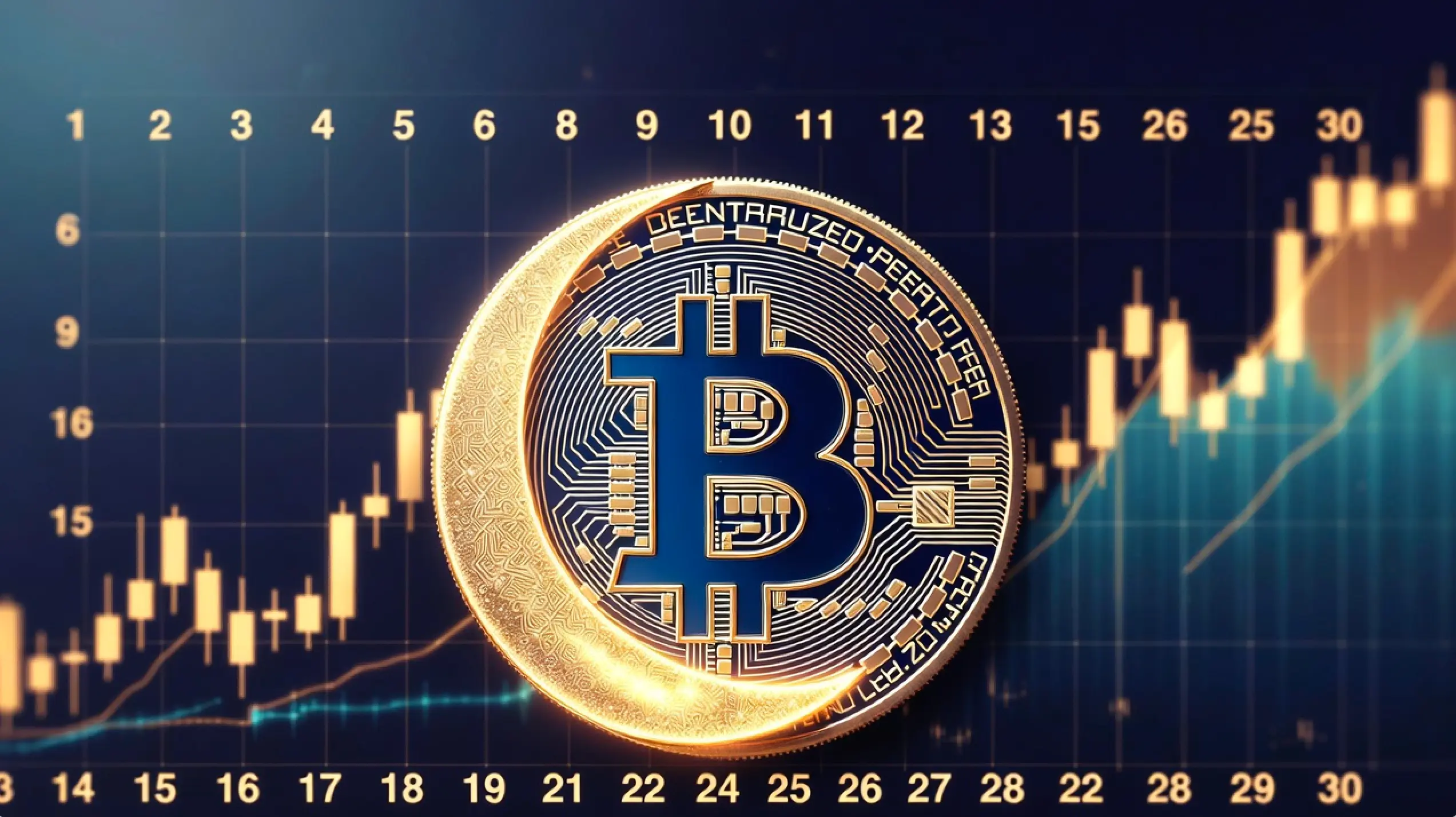
Bitcoin’s historical price pattern during the Islamic holy month of Ramadan has shown deviation in 2026, with the asset opening with choppy trading and a sharp decline rather than the front-loaded rally observed in six of the past seven Ramadan periods since 2019, according to market data. On-chain indicators present mixed signals, with Binance buying power reaching compressed levels that historically preceded relief bounces, while network activity has remained weak for six consecutive months and short-term holders continue realizing losses.
Historical Ramadan Price Structure Analysis
Analysis of Bitcoin price action during Ramadan periods from 2019 through 2025 reveals a consistent structural pattern in six of seven years, with 2020 serving as the sole exception when macroeconomic recovery trends dominated market direction.
The recurring pattern exhibits three distinct phases: front-loaded volatility with sharp early moves during the first week, mid-period exhaustion characterized by choppy trading and profit-taking, and weaker finishes with pullbacks from mid-Ramadan peaks. This structure represents a timing-and-volatility pattern rather than a directional “Ramadan rally” narrative, as Bitcoin did not consistently close higher across all periods.
2026 Opening Week Divergence
The first week of Ramadan 2026 has diverged from historical patterns in sequence if not in volatility characteristics. Bitcoin opened with consolidation, followed by a sharp downward flush, and only subsequently attempted a bounce recovery. This represents a departure from the typical front-loaded rally opening observed in previous years.
Market participants note that while the components of volatile moves, emotional swings, and uncertain recoveries remain present, the sequence has fundamentally altered, indicating weaker market structure compared to stronger Ramadan years.
On-Chain Data Signals
Binance Buying Power Indicator: The Binance Buying Power Index has declined to levels previously associated with compressed, exhausted market conditions. CryptoQuant analysts recorded the exchange’s buying power ratio at -0.086, reflecting the lowest “dry powder” liquidity levels in over a year. This metric compares stablecoin inflows to bitcoin outflows over 90-day periods. Similar readings in July-August 2024 (-0.094) preceded a market rally from the $54,000–$68,000 range to $102,000 by December. The current setup suggests potential for relief bounces if selling pressure abates.
Network Activity: Bitcoin network active addresses have registered weakness for six consecutive months, indicating persistently soft demand and participation levels. This structural condition suggests any rallies may face fragility and resistance-heavy upside.
Short-Term Holder Behavior: Realized losses among short-term holders remain negative despite cooling panic selling conditions. Many recent buyers continue exiting positions at a loss, a condition typically associated with base formation rather than confirmed uptrends.
Market Context and Correlated Pressures
Bitcoin’s price action coincides with broader risk asset pressure following AI-related business model disruption announcements. Anthropic announced that its Claude Code platform can automate COBOL modernization, a service segment traditionally dominated by IBM’s consulting arm. IBM shares declined approximately 11.2 percent on the news, contributing to broader equity market weakness with Dow Jones, S&P 500, and Nasdaq indices all declining more than 1 percent.
Bitcoin traded near $64,000, down approximately 5 percent over 24 hours, with Ethereum and Solana recording similar declines. Crypto-related equities including Coinbase, Strategy (formerly MicroStrategy), Circle, and Galaxy Digital posted losses between 4 and 7 percent.
Bitcoin mining firms operating AI infrastructure business models showed relative strength, with IREN gaining 5 percent, Cipher Mining rising 3.4 percent, CleanSpark adding 1.5 percent, and Hut 8 advancing 0.7 percent.
Precious metals attracted safe-haven flows, with gold gaining 3.2 percent to $5,243 per ounce and silver rising 6.5 percent to $87.69.
Structural Outlook
The combination of compressed buying power indicators suggesting bounce potential, alongside weak network activity and persistent short-term holder losses, points to potentially choppy price action in coming weeks. While relief bounces remain plausible, the demand backdrop suggests upside may encounter resistance.
The historical Ramadan pattern’s reliability has diminished in 2026 due to the altered opening sequence, though the broader characteristics of early volatility and uncertain follow-through remain visible.
Frequently Asked Questions
Does Bitcoin typically rally during Ramadan?
Historical data shows Bitcoin does not consistently rally during Ramadan. Analysis of seven Ramadan periods (2019-2025) reveals a structural pattern of front-loaded volatility, mid-period exhaustion, and weaker finishes rather than directional upward movement. Six of seven years showed this pattern, with 2020 as the exception when macro trends dominated.
What do on-chain indicators suggest about Bitcoin’s near-term direction?
On-chain signals present mixed implications. Binance buying power has reached compressed levels that historically preceded relief rallies, suggesting bounce potential if selling pressure fades. However, network activity has weakened for six straight months, indicating fragile demand. Short-term holder losses remain negative, typically associated with base formation rather than confirmed uptrends.
Why did Bitcoin decline alongside IBM shares?
Bitcoin declined in correlation with broader risk asset selling following Anthropic’s announcement that its Claude Code platform can automate COBOL modernization, a key IBM consulting revenue source. IBM shares fell approximately 11 percent, contributing to equity market weakness that extended to crypto markets due to Bitcoin’s increasing correlation with tech stocks (Nasdaq correlation reached 0.52 in 2025).
Disclaimer: The information on this page may come from third parties and does not represent the views or opinions of Gate. The content displayed on this page is for reference only and does not constitute any financial, investment, or legal advice. Gate does not guarantee the accuracy or completeness of the information and shall not be liable for any losses arising from the use of this information. Virtual asset investments carry high risks and are subject to significant price volatility. You may lose all of your invested principal. Please fully understand the relevant risks and make prudent decisions based on your own financial situation and risk tolerance. For details, please refer to
Disclaimer.


