Monad is a high performance, low latency EVM compatible Layer1 blockchain designed to dramatically increase throughput and confirmation speed while preserving full Ethereum Virtual Machine compatibility. Rather than relying on Layer2 scaling or modular designs, Monad fundamentally restructures both the execution and consensus layers. Through parallel transaction execution, an optimized BFT consensus mechanism, and an asynchronous block processing model, it delivers architectural level performance breakthroughs beyond traditional public chains.
2026-03-24 11:58:35
A comprehensive analysis of the architecture and application scenarios of the Plasma blockchain, exploring how it leverages a native Bitcoin bridge, zero-fee stablecoin channels, and a customizable gas model to build the next-generation Layer 1 infrastructure tailored for global payments.
2026-03-24 11:57:46
This article analyzes the breakthroughs in multimodal video generation technology (such as Byte's EX-4D, Google Veo, etc.) and discusses their profound impact on the creator economy and Web3 AI.
2026-03-24 11:57:34
Prime Intellect is a decentralized peer-to-peer protocol designed to aggregate computing power from distributed global sources. By tackling the AI industry's computing resource bottleneck, it enables collaborative AI model development. This article explores Prime Intellect’s team background, funding, and core technologies, including its computing marketplace, decentralized training framework (IntelME), and synthetic data generation framework (GENE).
2026-03-24 11:56:42
Explore how multidimensional EIP-1559 optimizes Ethereum's gas efficiency by separating resource costs, enhancing scalability, and improving network utilization.
2026-03-24 11:56:32
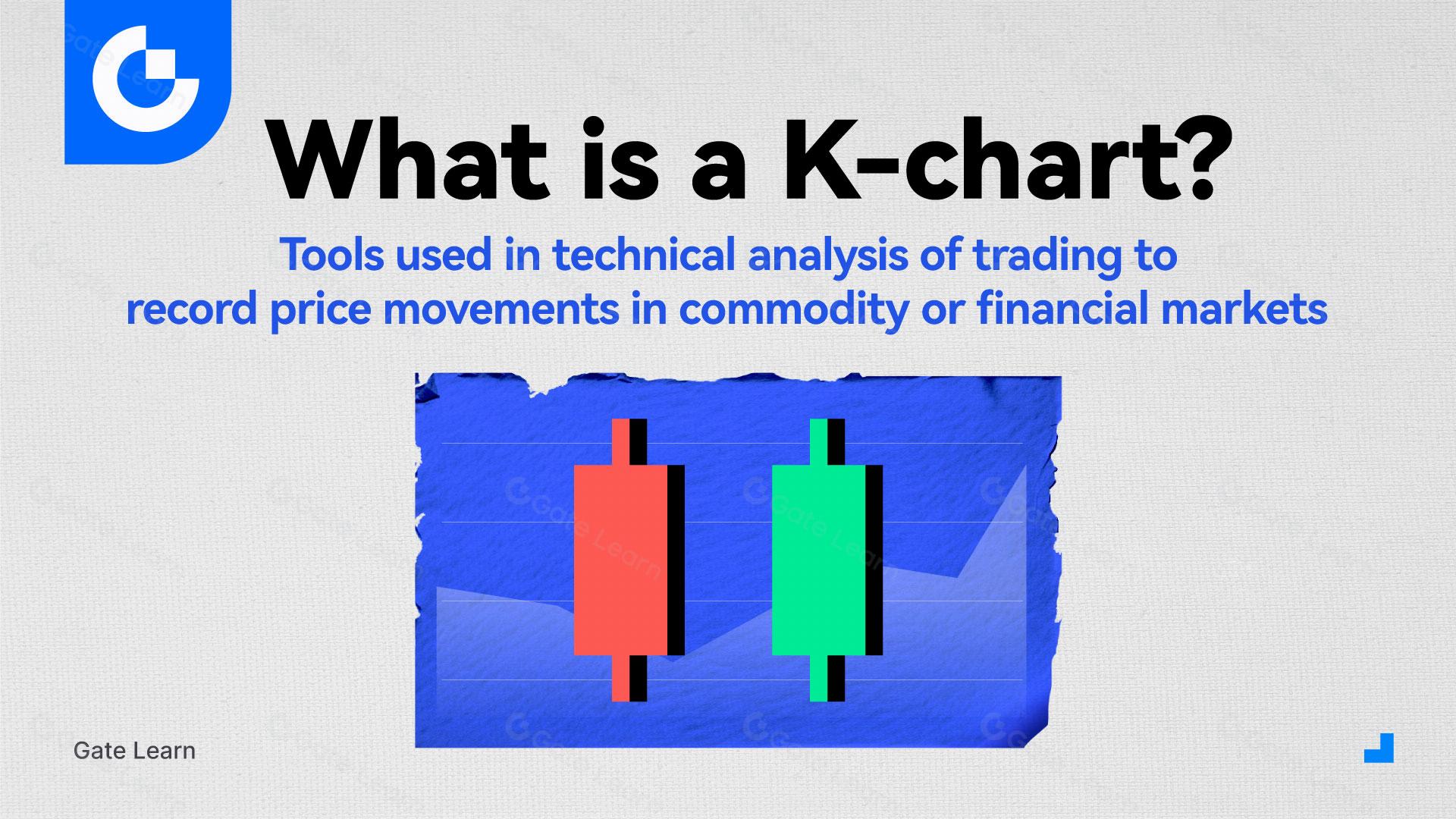
A candlestick chart is a tool used in technical analysis to track price movements in commodities or financial markets. It consists of four key prices: the opening price, closing price, highest price, and lowest price, forming a candle-like shape. The chart visually displays market trends, buying and selling pressure, and price fluctuations, helping investors quickly understand market conditions. Different colors represent price increases or decreases, while the shape of the candlestick reflects market sentiment. Although a candlestick chart is a powerful tool, it has limitations and should be used alongside other analysis methods for more comprehensive investment decisions.
2026-03-24 11:55:59
JLP supports various strategies, including leverage (up to 3x), delta-neutral hedging, and customizable exposure, allowing users to maximize yield while managing risk. JLP’s attractive features include premium arbitrage trading, which capitalizes on price fluctuations. Its flexibility makes it suitable for different investor preferences, from risk-averse to high-reward seekers.
2026-03-24 11:55:52
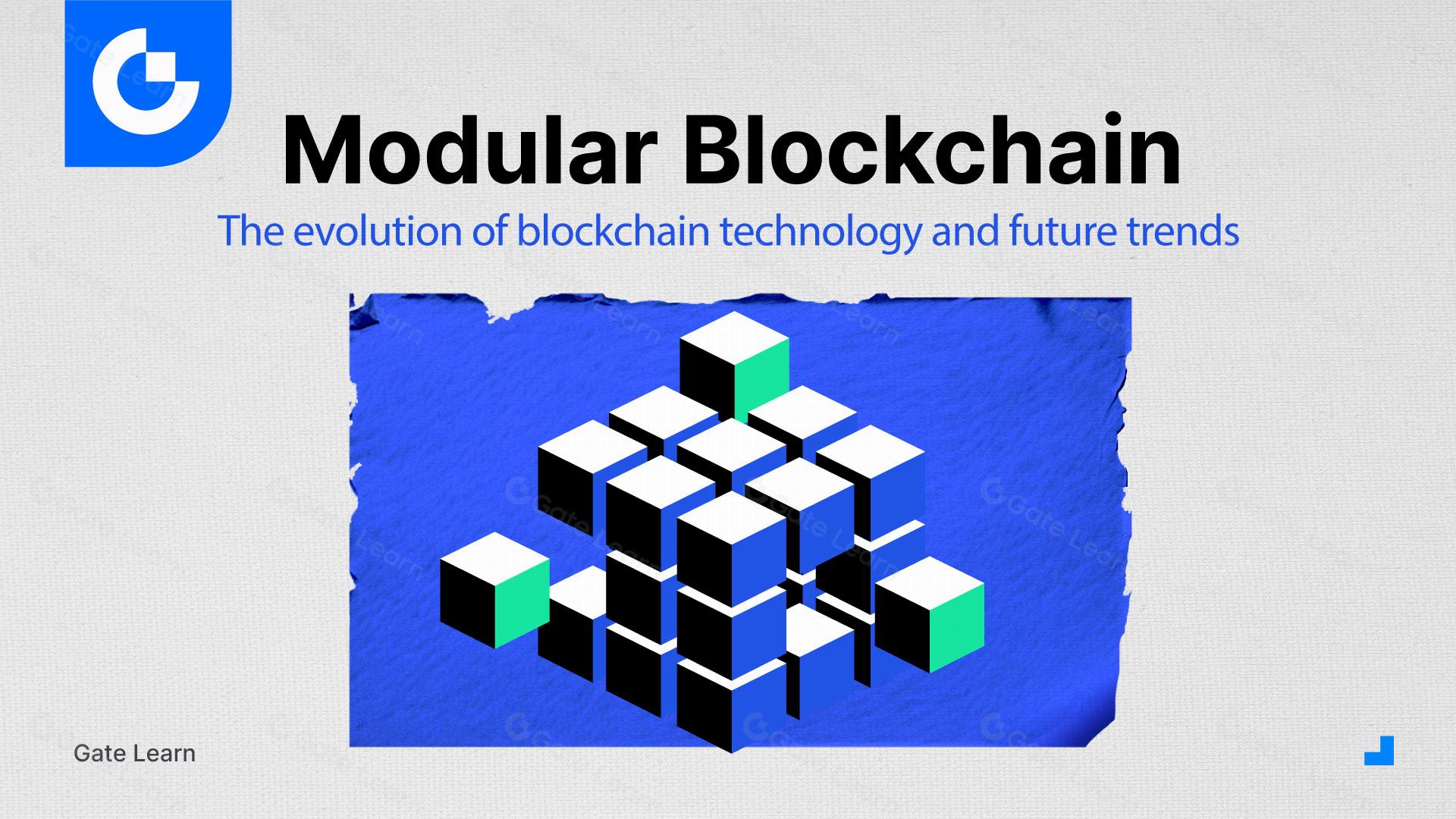
This video explores the evolution and future trends of blockchain technology. We trace the journey from Bitcoin's inception to Ethereum's groundbreaking innovations, highlighting the industry's struggle with the "blockchain trilemma." Modular blockchains are introduced as a potential solution to this challenge. We delve into the limitations of traditional monolithic blockchains, explain the working principles of modular blockchains, and introduce cutting-edge technologies like Data Availability Sampling (DAS). An objective analysis of the pros and cons of modular blockchains is provided, along with showcases of current projects embracing this approach. This comprehensive overview offers a clear insight into blockchain's technological evolution, painting a vivid picture of the field's current state and potential future directions.
2026-03-24 11:55:41
FBTC resolves Bitcoin’s liquidity issues by linking BTC with the DeFi ecosystem, offering users various ways to earn rewards.
2026-03-24 11:55:22
The article discusses the concept, application directions, and related cryptocurrency projects of decentralized computing. Decentralized computing mainly involves processing data to output results, with its biggest market demand being AI training. Despite facing technical challenges such as data synchronization, network optimization, and data privacy and security issues, decentralized computing holds tremendous potential in the field of AI.
2026-03-24 11:54:23
Explore the key differences between zero-knowledge proofs and transparent blockchains, and understand how each plays a role in protecting privacy and enhancing transparency. Discover the strengths, weaknesses, and future trends of these two technologies, and how they together shape trust and innovation in the digital world.
2026-03-24 11:54:03
Decentralized Science (DeSci) has emerged. This is a new concept in the world of Web3. The main goal of DeSci is to achieve fair and equitable funding, creation, review, storage, and dissemination of scientific knowledge through establishing public infrastructure and using Web3 tools (including NFTs, smart contracts, DAOs, etc.). Finally, the article points out that although DeSci offers a new research model, its development still faces many challenges, such as the quality of research projects and how to improve the governance system of DAOs, which can be solved based on further effort and innovation.
2026-03-24 11:54:03
This article provides a detailed introduction to the cross-chain project Zetachain and how it addresses the issue of full-chain interoperability.
2026-03-24 11:54:00
The current situation where the security of tokens depends entirely on the project's self-awareness. To address this, we may need to improve token mechanisms or introduce effective token supply monitoring schemes to ensure transparency in token quantity changes. We need to be vigilant, as while people's awareness of fraud is increasing, attackers' anti-fraud techniques are also constantly evolving. This is an ongoing game, and we need to continue learning and thinking to protect our interests.
2026-03-24 11:53:58
The RGB++ asset protocol proposed by the CKB team uses CKB and other UTXO-type blockchains as a function expansion layer to achieve isomorphic binding. Users do not need to verify transaction data and can leave the verification work to the UTXO chain. The protocol supports users to switch verification modes and operate assets on the CKB chain through Bitcoin accounts. In addition to CKB, Cardano and Fuel can also support isomorphic binding, but CKB is more suitable as a function expansion layer for the Bitcoin asset protocol. Isomorphic binding utilizes UTXOs on CKB and Cardano chains as “containers” to add programmability and complex scenarios to assets.
2026-03-24 11:53:58