Mr_Thynk

vip
Age 0.7 Year
Peak Tier 0
No content yet
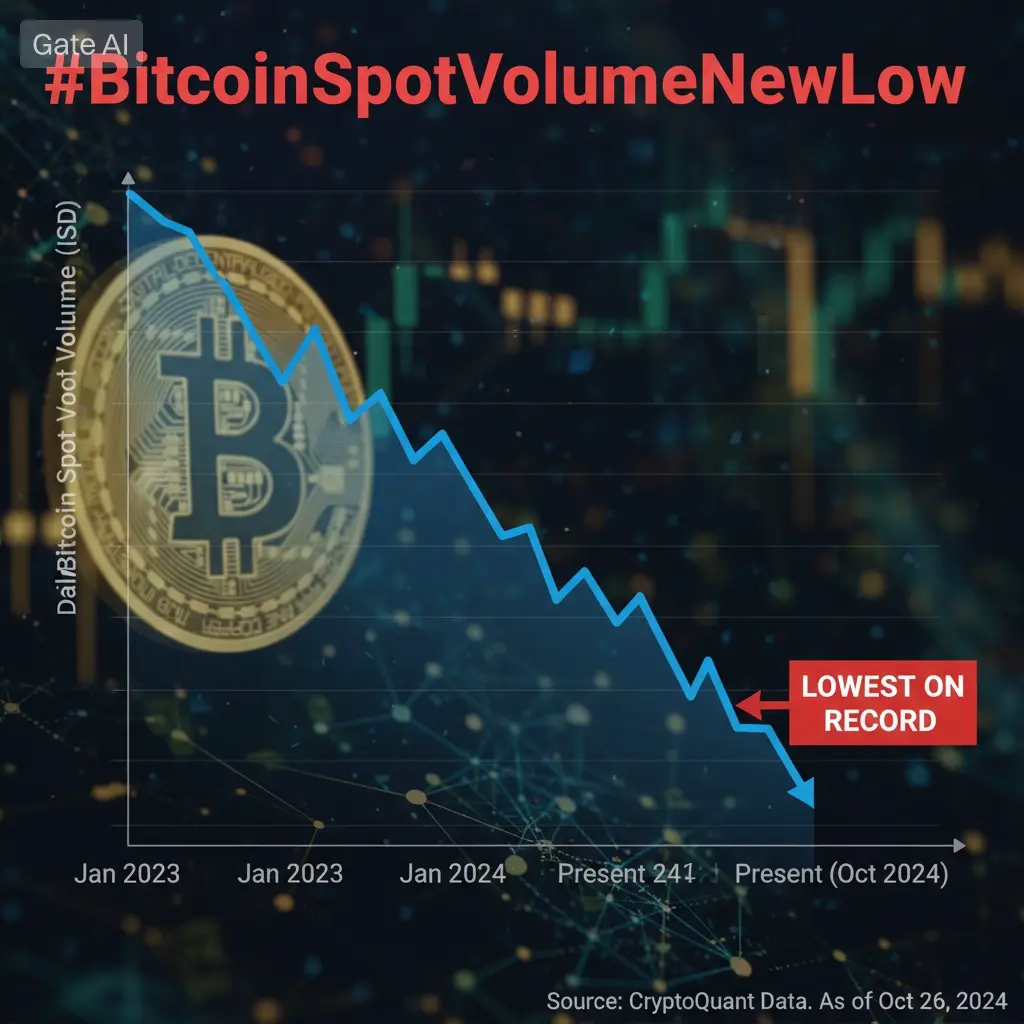
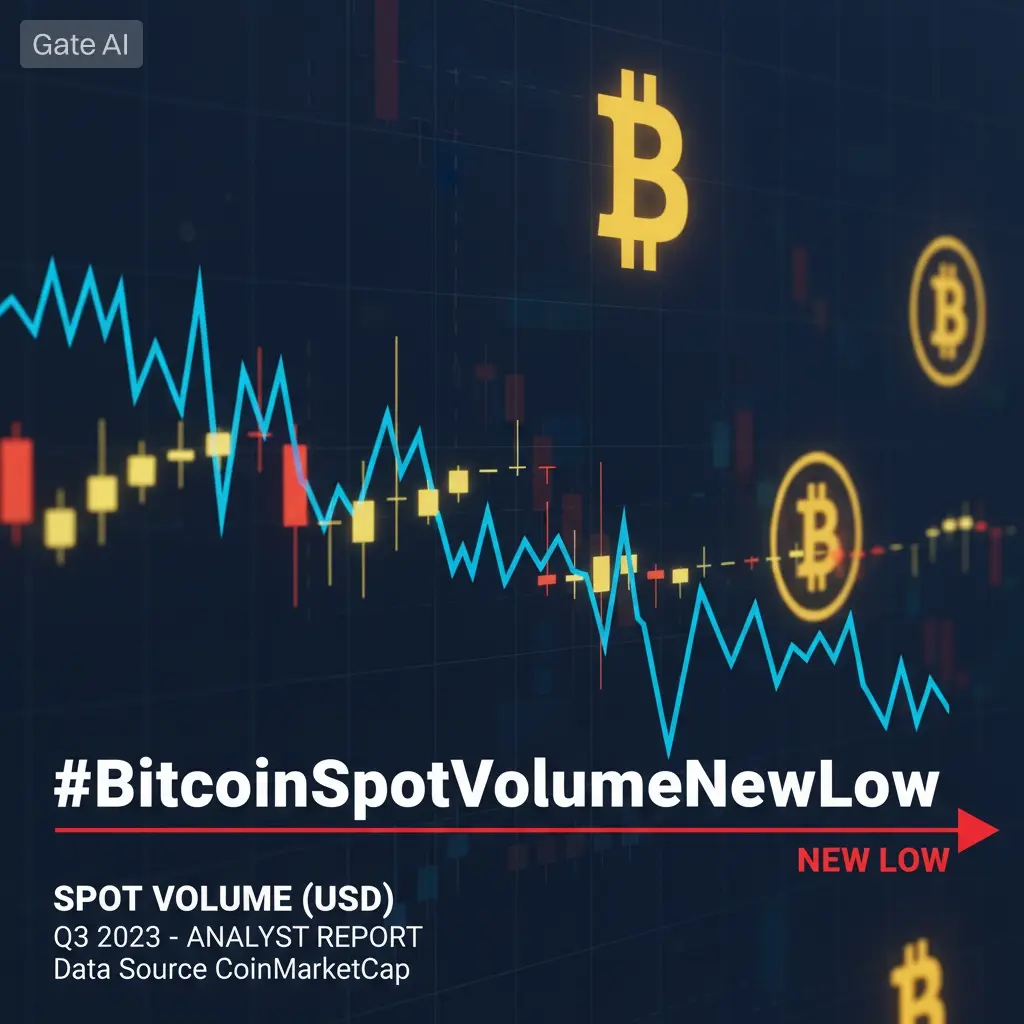
#BitcoinSpotVolumeNewLow
📉 Bitcoin Spot Volume Hits Multi-Month Lows Calm Before the Storm or Strategic Silence?
The latest data shows that daily spot trading volume for Bitcoin has fallen below the $8 billion mark, reaching its lowest levels since October 2023. This sharp contraction down nearly 70–80% from peak activity — is not just a statistic, but a signal worth paying close attention to. At first glance, such a drop might suggest that interest in the market is fading or that momentum has stalled. However, financial markets, especially crypto, rarely operate in such a straightforward
BTC1.28%
post-image
post-image
EagleEye
#BitcoinSpotVolumeNewLow
📉 Bitcoin Spot Volume Hits Multi-Month Lows Calm Before the Storm or Strategic Silence?
The latest data shows that daily spot trading volume for Bitcoin has fallen below the $8 billion mark, reaching its lowest levels since October 2023. This sharp contraction down nearly 70–80% from peak activity — is not just a statistic, but a signal worth paying close attention to. At first glance, such a drop might suggest that interest in the market is fading or that momentum has stalled. However, financial markets, especially crypto, rarely operate in such a straightforward manner. Volume is not just about participation; it reflects conviction, sentiment, and the balance between buyers and sellers. When volume declines to this extent, it often indicates that both sides are stepping back, waiting for clearer signals before committing capital. This creates a unique environment where price may appear stable or sluggish, but underlying dynamics are quietly shifting. Rather than chaos or panic, what we are witnessing could be a structured pause — a moment where the market digests previous moves, reassesses valuation, and prepares for what comes next. Historically, these quieter periods have often played a crucial role in shaping the trajectory of future trends, acting as the foundation upon which the next wave of volatility is built.
Low-volume conditions are frequently misunderstood, particularly by newer participants who associate activity with opportunity. In reality, experienced traders and institutional players often thrive in these quieter phases. When liquidity is thinner and attention is lower, it becomes easier for large entities to accumulate or distribute positions without significantly impacting price. This concept, often referred to as stealth accumulation, has been observed repeatedly in the history of Bitcoin and other financial assets. Instead of chasing momentum, smart money tends to position itself during periods of uncertainty and reduced noise. Additionally, compressed volume environments tend to coincide with reduced volatility, but this calm is rarely permanent. Markets operate like coiled springs — the longer they remain compressed, the more powerful the eventual release tends to be. Even relatively small inflows or outflows of capital can trigger outsized price movements when overall participation is low. This is why seasoned analysts pay close attention to declining volume: not because it signals the end of activity, but because it often precedes a significant shift. Whether that shift manifests as a breakout or a breakdown depends on a complex interplay of factors, but the setup itself is undeniably important.
Another dimension to consider is the psychological state of the market. After periods of intense trading, rapid price swings, and widespread attention, fatigue naturally sets in. Retail participants, who often drive short-term momentum, may step back after experiencing volatility or uncertainty. Social media discussions quiet down, search trends decline, and the sense of urgency that once dominated the market begins to fade. This cooling-off period can create the impression that the market is losing relevance, but in reality, it is undergoing a necessary reset. During this phase, weaker hands are gradually shaken out, leaving behind participants with stronger conviction and longer time horizons. Meanwhile, institutional investors and strategic players continue to analyze macroeconomic conditions, regulatory developments, and technological progress within the crypto space. The absence of visible excitement does not equate to inactivity; rather, it suggests a transition from emotional, reaction-driven trading to more deliberate and calculated positioning. This shift is often essential for building sustainable trends, as it reduces the likelihood of abrupt reversals driven purely by hype or fear. In many ways, the silence we observe in low-volume periods can be more meaningful than the noise of high-activity phases.
Ultimately, the question remains: what comes next? Is this subdued environment the calm before a bullish expansion, or simply a pause before further uncertainty unfolds? The truth is that markets rarely provide clear answers in advance. What can be said with confidence, however, is that periods like this demand patience, discipline, and awareness. They are not typically the moments where impulsive decisions are rewarded; instead, they favor those who take the time to observe underlying trends, monitor key indicators, and prepare for multiple scenarios. History suggests that when volume contracts to such levels, it is often followed by a resurgence in activity — and that resurgence rarely arrives quietly. Whether driven by macroeconomic catalysts, institutional flows, or shifts in sentiment, the next major move in Bitcoin is likely to be decisive. For those paying attention, this phase is less about immediate action and more about strategic preparation. Because when the market finally breaks its silence, the window to react may be much smaller than expected.
repost-content-media
  • Reward
  • 2
  • Repost
  • Share
Falcon_Official:
LFG 🔥
View More
#OilBreaks110
Oil Enters a Global Macro Risk Expansion Phase
Market Overview
The global oil market is moving into one of its most critical macroeconomic phases of 2026, with crude holding inside a highly sensitive price zone where every move is now connected to geopolitical risk, inflation expectations, and supply-chain security. Oil approaching the $110 psychological level is far bigger than a simple commodity breakout because this zone historically acts as a trigger point for wider financial market reactions. At this stage, oil is no longer trading purely on supply and demand. It is trading
post-image
Yusfirah
#OilBreaks110
Oil Enters a Global Macro Risk Expansion Phase
Market Overview
The global oil market is moving into one of its most critical macroeconomic phases of 2026, with crude holding inside a highly sensitive price zone where every move is now connected to geopolitical risk, inflation expectations, and supply-chain security. Oil approaching the $110 psychological level is far bigger than a simple commodity breakout because this zone historically acts as a trigger point for wider financial market reactions. At this stage, oil is no longer trading purely on supply and demand. It is trading on fear, uncertainty, and strategic risk pricing. This changes everything because when fear enters commodities, price behavior becomes aggressive, emotional, and highly volatile. The current oil structure shows that the market is preparing for a larger directional move, and the next few sessions may define whether this becomes a full breakout cycle or a sharp relief correction.
Why Oil Is Rising Right Now
The current rise in oil prices is being driven by multiple high-impact catalysts working together at the same time. The first and strongest driver is geopolitical instability in the Middle East, where any increase in tension creates immediate supply disruption fears. Oil markets do not wait for confirmed disruption; they react to the possibility of disruption. That is why even headlines, rumors, or military movement can push prices higher quickly. The second major factor is supply discipline from major oil-producing nations, where output remains controlled and inventories stay tighter than expected. This limits downside pressure and strengthens price floors. The third factor is inflation expectations, because higher oil directly increases transportation costs, industrial production costs, and consumer prices globally. When these three forces combine, oil enters a premium-pricing environment where normal market logic becomes weaker and fear-driven momentum becomes stronger.

The Geopolitical Premium and Why It Matters
Geopolitical pricing is one of the most powerful forces in oil markets because supply fear always moves faster than demand changes. Economic slowdowns take months to affect oil demand, but geopolitical events can change supply expectations within minutes. This is why oil responds aggressively to war narratives, regional instability, and strategic military developments. The market is currently carrying a risk premium because traders understand that any escalation could affect exports, shipping routes, or regional production security. Fear premiums can add significant value to oil without any actual disruption happening. This makes oil one of the fastest-moving macro assets during political instability, and understanding this premium is essential for traders because it explains why technical resistance often breaks faster during geopolitical cycles.
Strait of Hormuz and Global Supply Risk
One of the most critical pressure points for oil right now remains the Strait of Hormuz. This route is one of the world’s most important oil transportation corridors, and a major portion of global oil supply moves through it daily. Any risk to shipping security in this area immediately creates panic pricing in the market. If shipping slows, insurance premiums rise. If insurance costs rise, oil delivery costs rise. If delivery timing becomes uncertain, supply fear increases. That fear gets priced directly into oil contracts. This makes the Strait of Hormuz one of the most powerful volatility drivers in the oil market. Traders understand that this is not just a regional issue—it is a global energy pressure point, and any instability here can trigger explosive price reactions.
Supply Discipline from Producers
Beyond geopolitics, supply management remains a strong support factor for oil prices. Major oil producers continue to maintain controlled production strategies, which keeps supply tight and prevents oversupply conditions. This supply discipline creates a strong structural floor for oil because even if short-term demand weakens, the market does not have enough excess supply to absorb large shocks comfortably. That means pullbacks often attract buyers quickly. Tight supply combined with geopolitical uncertainty creates one of the strongest bullish combinations in commodity markets because both structure and sentiment support higher prices.
Inflation Impact on the Global Economy
Oil above $100 has serious inflation consequences. Rising oil prices increase fuel costs, transportation costs, manufacturing costs, and food distribution costs. These cost increases eventually move into consumer prices, creating wider inflation pressure. This is dangerous for global economies because inflation slows consumer spending and forces central banks to remain cautious. Higher inflation means higher interest rates for longer, and higher interest rates reduce economic growth. Oil therefore becomes much more than an energy story. It becomes a monetary policy story. This is why financial markets closely monitor oil because sustained high prices can directly affect future rate decisions.
Impact on Bitcoin and Crypto Markets
Oil has a hidden but powerful impact on crypto markets because oil influences liquidity conditions. When oil rises sharply, inflation expectations rise as well. Higher inflation often strengthens the US dollar, and a stronger dollar creates pressure on Bitcoin and altcoins because global liquidity tightens. Risk appetite weakens, and institutions become more defensive. This creates short-term pressure for crypto assets. However, there is another side to this relationship. Long-term inflation concerns can strengthen Bitcoin’s narrative as a hedge against monetary debasement. This creates a mixed market effect where oil can hurt crypto in the short term but support the long-term Bitcoin thesis. Traders who understand macro liquidity cycles gain an important advantage here.
Stock Market Reaction to Higher Oil
Stock markets usually struggle when oil rises aggressively because higher energy costs reduce profitability across many sectors. Transportation becomes more expensive, logistics costs rise, and consumer-focused businesses face margin pressure. Growth stocks, especially technology, often face stronger selling pressure because higher inflation reduces future valuation strength. At the same time, energy-related stocks usually outperform because higher oil directly improves revenue potential. This creates sector rotation, where institutional money shifts from growth sectors into energy and commodities. Understanding this rotation helps traders understand broader market positioning.
Technical Structure and Key Levels
From a technical perspective, oil is now trading in a major decision zone. The $100 level has become a powerful psychological support level and is now the foundation of current bullish sentiment. As long as price remains above this region, bullish structure remains intact. The $105 area is the immediate short-term resistance zone where breakout pressure is building. The $110 level remains the most important psychological breakout zone. If oil breaks and holds above this level, momentum traders and institutional buyers may accelerate the move toward $115 or higher. Beyond $115, oil enters emotional expansion territory where volatility can become extreme. On the downside, losing the $98 zone would weaken the current bullish structure and open the door for a broader correction.
Bullish Scenario Ahead
If geopolitical tension increases and supply fears grow stronger, oil can break above the $110 level and accelerate toward $115–$120. This move would likely be driven by fear expansion, supply uncertainty, and stronger momentum participation. In this environment, trend-following traders usually perform better because momentum becomes stronger than mean reversion. However, volatility also becomes much more dangerous, so risk control becomes critical.
Neutral Consolidation Scenario
If geopolitical headlines stabilize and no major escalation occurs, oil may remain inside a broad consolidation range between $100 and $108. This type of market usually creates opportunities for range traders rather than breakout traders. In this phase, support and resistance trading becomes more effective while waiting for the next major catalyst.
Bearish Correction Scenario
If diplomatic progress reduces regional tensions and supply fears decline, oil can quickly lose its fear premium and retrace toward $95–$98. Fear exits markets faster than it enters, which means corrections can happen very quickly. This would create relief across equities and crypto while reducing inflation pressure temporarily. Traders should respect this possibility because oil corrections after geopolitical stabilization are often aggressive.
Trader Strategy and Risk Management
Oil is currently one of the most dangerous markets to trade emotionally because headlines can change direction within minutes. The smartest approach is to focus on confirmed levels, disciplined entries, and strict stop-loss management. Overleveraging in oil during geopolitical uncertainty is one of the biggest mistakes traders make. Position size should remain controlled, and traders should avoid holding oversized positions during major political developments. The goal in this market is not to predict every move but to survive volatility and capture confirmed opportunities.
Final Market Conclusion
Oil is currently acting as a global macro stress indicator rather than just an energy commodity. Its movement reflects inflation pressure, supply security fears, and geopolitical uncertainty at the same time. As long as oil remains above the $100 structure, the market remains bullish with elevated volatility. A breakout above $110 could trigger a major expansion toward $115 and beyond, while de-escalation could quickly pull prices back toward the mid-$90s. Right now, oil is one of the most important assets to watch because its movement will influence stocks, crypto, inflation expectations, and global risk appetite. Smart traders understand that in markets like this, managing risk is more valuable than predicting direction.
repost-content-media
  • Reward
  • 2
  • Repost
  • Share
Falcon_Official:
LFG 🔥
View More
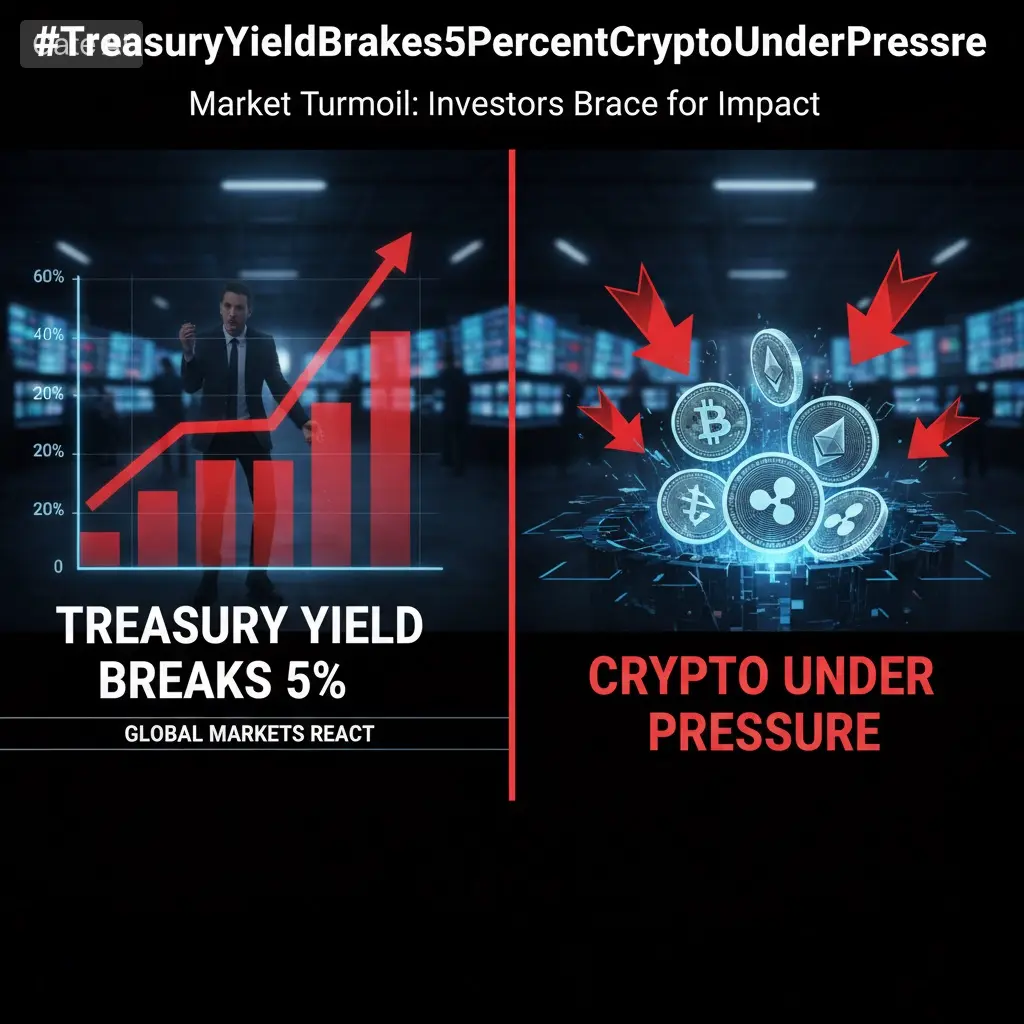
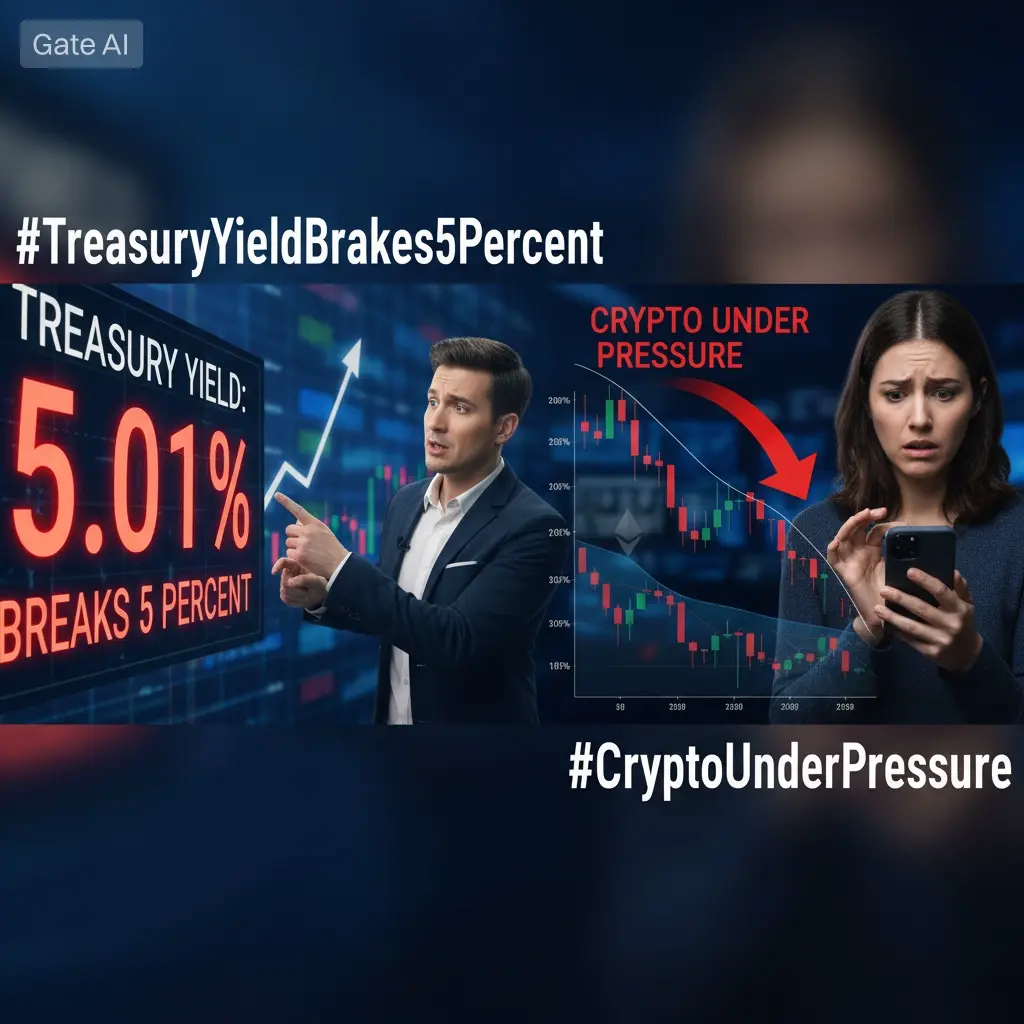
#TreasuryYieldBreaks5PercentCryptoUnderPressure
TreasuryYieldBreaks5PercentCryptoUnderPressure — When the Bond Market Speaks, Crypto Listens
The Macro Signal: 5% on the 30-Year Is a Warning Shot Across the Bow of Every Risk Asset
On April 30, 2026, U.S. Treasury yields surged sharply across the curve, marking one of the most significant macro shifts in recent years. The 30-year Treasury note crossed the 5% threshold for the first time since 2005, while shorter-duration yields also remained elevated across the board. This move represents a major repricing of global risk assets, as government b
BTC1.28%
ETH0.75%
post-image
Luna_Star
#TreasuryYieldBreaks5PercentCryptoUnderPressure
TreasuryYieldBreaks5PercentCryptoUnderPressure — When the Bond Market Speaks, Crypto Listens
The Macro Signal: 5% on the 30-Year Is a Warning Shot Across the Bow of Every Risk Asset
On April 30, 2026, U.S. Treasury yields surged sharply across the curve, marking one of the most significant macro shifts in recent years. The 30-year Treasury note crossed the 5% threshold for the first time since 2005, while shorter-duration yields also remained elevated across the board. This move represents a major repricing of global risk assets, as government bonds begin offering highly competitive risk-free returns compared to speculative markets like equities and crypto.
Key yield levels include:
30-year Treasury yield — 5.00%
10-year Treasury yield — 4.42%
5-year Treasury yield — 4.05%
2-year Treasury yield — 3.89%
Fed funds rate — 3.50% to 3.75%
This environment fundamentally changes capital allocation decisions, as investors now have access to 5% long-term risk-free returns backed by the U.S. government, reducing the relative attractiveness of non-yielding assets like Bitcoin and growth-oriented risk assets.
---
Oil Shock and Geopolitical Pressure Driving Inflation
The rise in yields is not purely monetary — it is deeply tied to geopolitical instability and energy market disruption. Oil prices surged significantly due to escalating tensions in the Middle East, particularly surrounding the Iran conflict and instability in the Strait of Hormuz, one of the world’s most critical energy shipping routes.
Key energy market figures include:
Brent crude oil — above $125 per barrel
Oil supply disruption estimate — 13 million barrels per day
Strait of Hormuz global supply share — ~20% of oil and LNG flows
March PCE inflation — 3.5% annual rate
Monthly PCE increase — 0.7%
This energy shock is feeding directly into inflation expectations, forcing markets to reprice interest rate expectations higher. As inflation persists above target, Treasury yields rise further, tightening financial conditions globally.
---
Federal Reserve Position: Higher-for-Longer Confirmed
The Federal Reserve maintained its benchmark interest rate while signaling strong internal disagreement about future policy direction. A record number of policymakers dissented from the official statement, reinforcing the idea that monetary easing is unlikely in the near term.
Key Fed-related data includes:
FOMC decision — 3.50% to 3.75% (unchanged)
Policy dissents — 3 (highest since 1992)
Expected rate cuts (2026) — none priced
Market expectation horizon — extended into 2027
This reinforces a “higher-for-longer” policy regime, reducing liquidity expectations that previously supported risk asset valuations during the 2024–2025 rally.
---
Crypto Market Reaction: Bitcoin and Risk Assets Under Pressure
Crypto markets reacted negatively to rising yields, with Bitcoin and Ethereum both experiencing notable corrections as capital rotated toward safer yield-bearing assets.
Key crypto market figures include:
Bitcoin price — $75,726 to $77,160 range
Previous peak decline — approximately -40% from Oct 2025 high
Crypto market capitalization — ~$2.54 trillion
BTC dominance — 59.9%
ETH single-day decline — -7%
ETH funding rate shift — +4.8% to -9.1% APR
ETF inflows (April BTC) — $2.44 billion
ETF weekly outflows (BTC + ETH) — ~$800 million
Bitcoin remains structurally under pressure as rising yields increase opportunity cost for holding non-yielding assets.
---
ETF Flows: Institutional Demand Remains Mixed
Despite macro pressure, institutional demand for Bitcoin via ETFs has remained relatively strong on a monthly basis, although short-term flows show volatility tied to macro sentiment.
Key ETF figures include:
Monthly Bitcoin ETF inflows — $2.44 billion
March ETF inflows — $1.32 billion
Strategy BTC accumulation — 34,164 BTC (~$2.54 billion)
Morgan Stanley MSBT inflows — $163 million
One-week combined outflows — ~$800 million
This divergence shows that institutional capital is still participating in Bitcoin exposure but is highly sensitive to macro-driven yield shocks.
---
Transmission Chain: From Geopolitics to Crypto Compression
The macro transmission mechanism linking geopolitics to crypto performance follows a clear chain of causality. Energy disruption leads to inflation, inflation drives monetary tightening expectations, and higher yields compress risk asset valuations across the board.
Key stages include:
Iran conflict escalation
Strait of Hormuz disruption
Oil price surge above $125
Inflation rising to 3.5% PCE
Fed hawkish dissent (3 votes)
“Higher-for-longer” rate expectations
30-year yield crossing 5%
Capital rotation into bonds
Bitcoin testing $75K–$77K range
Altcoin liquidation pressure increasing
Crypto market cap stabilizing near $2.54T
This chain represents a live macro-to-crypto transmission mechanism currently shaping global markets.
---
Market Interpretation: Why This Cycle Differs from 2023
Unlike the 2023 yield spike driven primarily by Federal Reserve tightening, the 2026 yield surge is driven by a combination of geopolitical supply shocks and persistent inflation pressures. This makes the current environment structurally more rigid and less responsive to monetary policy changes.
Key differences include:
2023 — Fed-driven tightening cycle
2026 — war-driven inflation + policy rigidity
Oil shock — exogenous and persistent
Inflation — structurally embedded above target
Fed flexibility — constrained by external pressures
This reduces the likelihood of a rapid policy pivot, keeping yields elevated for longer periods.
---
Scenario Outlook
Scenario 1: Yield Stabilization
Moderate probability environment where oil stabilizes, inflation eases, and yields retreat toward the 4.2%–4.4% range.
Key assumptions:
Brent oil — $80–$90 range
10-year yield — 4.2%–4.4%
BTC — potential retest of $80,000
---
Scenario 2: Continued Yield Expansion
Higher probability scenario where oil remains above $120 and inflation remains sticky.
Key assumptions:
10-year yield — above 4.5%
BTC range — $68,000 to $78,000
Altcoin pressure — sustained
Liquidity — tightening
---
Scenario 3: Policy or Geopolitical Breakthrough
Lower probability scenario involving either Fed policy shift or major geopolitical resolution.
Key assumptions:
Oil decline below pre-war levels
Yield compression
BTC retest of previous highs
Risk-on recovery
---
Conclusion
The current macro regime is defined by a structural conflict between risk-free yield expansion and speculative asset valuation compression. With 30-year yields above 5%, inflation above target, and geopolitical instability driving energy prices higher, crypto markets are operating under sustained macro pressure.
Key snapshot:
30-year yield — 5.00%
10-year yield — 4.42%
Oil — above $125
Inflation (PCE) — 3.5%
Bitcoin — ~$75K–$77K
Crypto market cap — ~$2.54T
BTC dominance — 59.9%
This environment continues to favor capital preservation over risk expansion, with Bitcoin and crypto markets acting as high-beta reflections of global liquidity conditions.
  • Reward
  • 2
  • Repost
  • Share
Falcon_Official:
LFG 🔥
View More
#TapAndPayWithGateCard
Tap. Pay. Live Freely How Crypto Is Quietly Transforming Everyday Spending Into a Seamless, Borderless Experience
The way we interact with money is evolving faster than ever, and one of the most noticeable shifts is how digital assets are beginning to merge with daily life. With tools like the Gate Card, crypto is no longer something that exists only inside exchanges or long-term investment portfolios — it’s becoming a functional part of everyday transactions. Imagine walking into your favorite café, ordering your usual coffee, and paying instantly with your phone, with
post-image
EagleEye
#TapAndPayWithGateCard
Tap. Pay. Live Freely How Crypto Is Quietly Transforming Everyday Spending Into a Seamless, Borderless Experience
The way we interact with money is evolving faster than ever, and one of the most noticeable shifts is how digital assets are beginning to merge with daily life. With tools like the Gate Card, crypto is no longer something that exists only inside exchanges or long-term investment portfolios — it’s becoming a functional part of everyday transactions. Imagine walking into your favorite café, ordering your usual coffee, and paying instantly with your phone, without thinking twice about whether the funds came from fiat or crypto. That’s the kind of frictionless experience being built right now. The complexity of blockchain technology is being abstracted away, leaving behind something simple, intuitive, and universally accessible. This shift represents more than just convenience; it marks a transition from crypto as a speculative asset class to crypto as a usable financial tool. And as this transition unfolds, it challenges long-standing assumptions about how money should move, how quickly it should settle, and how easily it should integrate into daily routines across different environments and economies.
One of the biggest hurdles in crypto adoption has always been usability. While millions of users have become comfortable buying, holding, and trading digital assets, the act of actually spending them in the real world has often been limited or cumbersome. The Gate Card addresses this gap by aligning crypto spending with the existing global payments infrastructure. Instead of requiring merchants to adopt entirely new systems, it allows users to plug into what already works — point-of-sale terminals, online checkouts, and contactless payment systems. This is a crucial development because mass adoption rarely comes from forcing change on the entire ecosystem at once; it comes from integrating new technology into familiar experiences. By enabling crypto to function within the frameworks people already trust and understand, the barrier to entry drops significantly. Users don’t need to learn new behaviors or navigate complex interfaces — they simply use their funds the same way they always have, with the added flexibility of choosing between traditional and digital currencies.
Beyond convenience, there is a deeper financial narrative at play. The ability to spend crypto effortlessly introduces a new level of liquidity and utility into the ecosystem. Assets that were once held passively can now circulate more actively, contributing to a more dynamic and interconnected financial environment. The Gate Card effectively turns crypto into a bridge between decentralized finance and everyday commerce, allowing value to move fluidly between digital wallets and real-world transactions. This has implications not just for individual users, but for the broader perception of crypto itself. When people begin to see digital assets as something they can rely on for everyday needs — whether it’s transportation, food, shopping, or services — the narrative shifts from speculation to practicality. Over time, this could help stabilize the ecosystem by encouraging more consistent usage patterns rather than purely reactionary trading behavior driven by market volatility.
Another important aspect to consider is accessibility. Financial systems around the world are not equally developed, and millions of people still face barriers when it comes to traditional banking services. Solutions like the Gate Card have the potential to lower these barriers by providing an alternative pathway into the global economy. With just a smartphone and access to digital assets, users can participate in transactions that were previously difficult or impossible. This kind of inclusivity is one of the foundational promises of blockchain technology — the idea that financial tools should be open, flexible, and not limited by geography or institutional constraints. While we are still in the early stages of this transformation, each incremental improvement in usability and accessibility brings that vision closer to reality.
Of course, this evolution does not come without challenges. Regulatory frameworks, security considerations, and user education all play critical roles in shaping how quickly and effectively these solutions can scale. Trust remains a key factor, especially when dealing with financial tools that bridge traditional and decentralized systems. However, progress in these areas has been steady, and the growing presence of user-friendly products like the Gate Card suggests that the industry is moving in the right direction. As more people begin to interact with crypto in practical, everyday contexts, confidence in the technology is likely to grow. This, in turn, can create a positive feedback loop, encouraging further innovation and adoption across the ecosystem.
At its core, the shift toward seamless crypto payments is about redefining what money can be and how it can be used. It’s about removing friction, expanding choice, and giving users greater control over their financial lives. The idea of carrying a single card — or even just a phone — that allows you to move effortlessly between digital and traditional currencies is no longer a distant vision; it’s becoming a present-day reality. The Gate Card embodies this transition, offering a glimpse into a future where financial systems are more integrated, more flexible, and more aligned with the needs of a digital-first world. And as this future continues to unfold, one thing becomes increasingly clear: the line between crypto and everyday life is fading, replaced by a more unified and seamless financial experience that works wherever you are, whenever you need it.
repost-content-media
  • Reward
  • 1
  • Repost
  • Share
Falcon_Official:
LFG 🔥
#TapAndPayWithGateCard
Tap. Pay. Live Freely How Crypto Is Quietly Transforming Everyday Spending Into a Seamless, Borderless Experience
The way we interact with money is evolving faster than ever, and one of the most noticeable shifts is how digital assets are beginning to merge with daily life. With tools like the Gate Card, crypto is no longer something that exists only inside exchanges or long-term investment portfolios — it’s becoming a functional part of everyday transactions. Imagine walking into your favorite café, ordering your usual coffee, and paying instantly with your phone, with
post-image
EagleEye
#TapAndPayWithGateCard
Tap. Pay. Live Freely How Crypto Is Quietly Transforming Everyday Spending Into a Seamless, Borderless Experience
The way we interact with money is evolving faster than ever, and one of the most noticeable shifts is how digital assets are beginning to merge with daily life. With tools like the Gate Card, crypto is no longer something that exists only inside exchanges or long-term investment portfolios — it’s becoming a functional part of everyday transactions. Imagine walking into your favorite café, ordering your usual coffee, and paying instantly with your phone, without thinking twice about whether the funds came from fiat or crypto. That’s the kind of frictionless experience being built right now. The complexity of blockchain technology is being abstracted away, leaving behind something simple, intuitive, and universally accessible. This shift represents more than just convenience; it marks a transition from crypto as a speculative asset class to crypto as a usable financial tool. And as this transition unfolds, it challenges long-standing assumptions about how money should move, how quickly it should settle, and how easily it should integrate into daily routines across different environments and economies.
One of the biggest hurdles in crypto adoption has always been usability. While millions of users have become comfortable buying, holding, and trading digital assets, the act of actually spending them in the real world has often been limited or cumbersome. The Gate Card addresses this gap by aligning crypto spending with the existing global payments infrastructure. Instead of requiring merchants to adopt entirely new systems, it allows users to plug into what already works — point-of-sale terminals, online checkouts, and contactless payment systems. This is a crucial development because mass adoption rarely comes from forcing change on the entire ecosystem at once; it comes from integrating new technology into familiar experiences. By enabling crypto to function within the frameworks people already trust and understand, the barrier to entry drops significantly. Users don’t need to learn new behaviors or navigate complex interfaces — they simply use their funds the same way they always have, with the added flexibility of choosing between traditional and digital currencies.
Beyond convenience, there is a deeper financial narrative at play. The ability to spend crypto effortlessly introduces a new level of liquidity and utility into the ecosystem. Assets that were once held passively can now circulate more actively, contributing to a more dynamic and interconnected financial environment. The Gate Card effectively turns crypto into a bridge between decentralized finance and everyday commerce, allowing value to move fluidly between digital wallets and real-world transactions. This has implications not just for individual users, but for the broader perception of crypto itself. When people begin to see digital assets as something they can rely on for everyday needs — whether it’s transportation, food, shopping, or services — the narrative shifts from speculation to practicality. Over time, this could help stabilize the ecosystem by encouraging more consistent usage patterns rather than purely reactionary trading behavior driven by market volatility.
Another important aspect to consider is accessibility. Financial systems around the world are not equally developed, and millions of people still face barriers when it comes to traditional banking services. Solutions like the Gate Card have the potential to lower these barriers by providing an alternative pathway into the global economy. With just a smartphone and access to digital assets, users can participate in transactions that were previously difficult or impossible. This kind of inclusivity is one of the foundational promises of blockchain technology — the idea that financial tools should be open, flexible, and not limited by geography or institutional constraints. While we are still in the early stages of this transformation, each incremental improvement in usability and accessibility brings that vision closer to reality.
Of course, this evolution does not come without challenges. Regulatory frameworks, security considerations, and user education all play critical roles in shaping how quickly and effectively these solutions can scale. Trust remains a key factor, especially when dealing with financial tools that bridge traditional and decentralized systems. However, progress in these areas has been steady, and the growing presence of user-friendly products like the Gate Card suggests that the industry is moving in the right direction. As more people begin to interact with crypto in practical, everyday contexts, confidence in the technology is likely to grow. This, in turn, can create a positive feedback loop, encouraging further innovation and adoption across the ecosystem.
At its core, the shift toward seamless crypto payments is about redefining what money can be and how it can be used. It’s about removing friction, expanding choice, and giving users greater control over their financial lives. The idea of carrying a single card — or even just a phone — that allows you to move effortlessly between digital and traditional currencies is no longer a distant vision; it’s becoming a present-day reality. The Gate Card embodies this transition, offering a glimpse into a future where financial systems are more integrated, more flexible, and more aligned with the needs of a digital-first world. And as this future continues to unfold, one thing becomes increasingly clear: the line between crypto and everyday life is fading, replaced by a more unified and seamless financial experience that works wherever you are, whenever you need it.
repost-content-media
  • Reward
  • 1
  • Repost
  • Share
Falcon_Official:
2026 GOGOGO 👊
#DailyPolymarketHotspot
Gate广场五月交易分享 The World's Biggest Prediction Markets Right Now
Date: May 4, 2026 | Polymarket 30-Day Volume: $9.7 Billion
Prediction markets aren't just betting they're the world's fastest barometer of collective intelligence. Right now, Polymarket is tracking events that will shape geopolitics, finance, and culture for months ahead. Here's your daily pulse on what the crowd is pricing in.
🌍 GEOPOLITICS — The Iran Crisis Is dominating Everything
US × Iran Permanent Peace Deal by...?
This is the single highest-volume market on Polymarket right now $71 million in total v
BTC1.28%
post-image
Falcon_Official
#Gate广场五月交易分享 The World's Biggest Prediction Markets Right Now
Date: May 4, 2026 | Polymarket 30-Day Volume: $9.7 Billion
Prediction markets aren't just betting they're the world's fastest barometer of collective intelligence. Right now, Polymarket is tracking events that will shape geopolitics, finance, and culture for months ahead. Here's your daily pulse on what the crowd is pricing in.
🌍 GEOPOLITICS — The Iran Crisis Is dominating Everything
US × Iran Permanent Peace Deal by...?
This is the single highest-volume market on Polymarket right now $71 million in total volume.
June 30: 40% probability → The crowd thinks a peace deal is possible by mid-year, but not guaranteed
May 31: 19% probability → A deal this month? Unlikely, traders say
Bottom line: 60% of the market is betting that NO deal happens by June 30 either
Iran Closes Its Airspace by...?
May 31: 35% Yes → Traders see a moderate chance Iran shuts airspace again this month
May 8: 12% Yes → An imminent closure? Only 1 in 8 traders believes it
Strait of Hormuz Traffic Returns to Normal by End of May?
Current traffic is running at just 3% of normal levels (125-140 vessels daily → only a trickle of 14-35 per week). The market says:
73% probability that traffic normalizes by end of May (spiked Friday on positive news)
But by June 30? Only 46.5% probability → Sustained normalization remains uncertain
Volume: $3 million real money backing these predictions
Trump Announces US Hormuz Blockade Lifted by May 31?
36% Yes → The crowd is skeptical that Trump will announce a blockade lift this month
Takeaway: The Iran situation is the #1 driver across markets. Oil, shipping, crypto, and even Fed policy are all downstream of this crisis.
🛢️ CRUDE OIL — WTI May 2026 Price Targets
WTI Crude Oil hit its highest since 2022 during the Iran crisis. Now the market is pricing where it lands by month-end:
↑ $105: 93% probability → The crowd is almost certain oil will touch $105 this month
↓ $95: 80% probability → 8 in 10 traders expect oil to ALSO dip to $95
Volume: $5 million → Heavy money is flowing here
This dual signal is fascinating traders expect BOTH $105 highs AND $95 lows. That means volatile whipsawing, not a clean directional move. Oil is swinging between war premium and post-war bust expectations.
🏛️ FED CHAIR SHAKEUP — Powell OUT, Warsh IN
This is one of the most dramatic markets right now:
Jerome Powell Out as Fed Chair by...?
June 30: 100% probability → The market has already decided Powell is gone
May 15: 22% probability (down from 56%) → The timeline is shifting to later, not sooner
Who Will Be Confirmed as Fed Chair?
Kevin Warsh: 100% implied probability → The crowd has fully priced in Warsh as the next Fed Chair
This is a resolved market in the eyes of traders the question isn't "who" anymore, it's "when"
Impact: A Warsh Fed could mean a shift in monetary policy tone. Markets are already adjusting expectations around rate cuts and hikes based on this transition.
🗳️ 2028 PRESIDENTIAL ELECTION — Early Odds Are Shaping Up
The 2028 race is already trading heavily:
JD Vance: 24-28% → The current frontrunner, though his odds have slipped recently
Gavin Newsom: 17% → The leading Democratic contender
Marco Rubio: 8% → Third place
AOC, Kamala Harris, Pete Buttigieg all trading at lower single digits
Two years before the election, this market is already seeing serious volume early positioning matters when the field is still wide.
🏀 NBA 2026 CHAMPION — Oklahoma City Thunder Leads
Oklahoma City Thunder: 40% implied probability → The clear favorite
San Antonio Spurs: 16% → Second most likely
Total volume: $231 million → This is the largest US pro sports prediction market
The Thunder's dominance in these odds reflects their regular-season performance and roster depth as perceived by the crowd.
⚽ FIFA WORLD CUP 2026 — The Biggest Sports Market
Total volume: Over $529 million → The single largest sports prediction market on Polymarket
Multiple national teams trading with active odds as the tournament approaches
📊 PLATFORM SCALE — Polymarket Is Massive Now
Some context on how big this market has become:
March 2026: $10.57 billion monthly volume → First time crossing $10B
Q1 2026: ~$26.2 billion total → Up 90% from previous quarter
Polymarket US (CFTC-regulated): $700+ million in March alone, up 167% month-on-month
February 2026: $7+ billion, including a record $425M single day on Feb 28
1,700+ active markets in Politics alone; 613+ in Statistics
Total ETF/AUM equivalent volume context: Prediction markets are now rivaling traditional financial instruments in daily activity
🎯 KEY INSIGHT FOR TRADERS
Right now, everything is interconnected. The Iran crisis → oil prices → Fed policy transition → crypto sentiment → election odds. The Polymarket crowd is pricing:
Geopolitical de-escalation is likely but not guaranteed by month-end
Oil will be volatile, not directional expect whipsaws between $95-$105
Powell is out, Warsh is in this is basically a settled question
2028 election is still early, but Vance vs Newsom is the base case
Prediction markets are now $10B/month platforms they're not niche anymore
The crowd isn't guessing. They're putting real money behind these convictions. And when $71M backs a single geopolitical question, the signal is worth reading.
🔗 What to Watch Next
May 8: Iran airspace closure deadline (12% probability)
May 15: Powell departure window (22% probability, falling)
May 29: Major BTC options expiry on Deribit ($566M) crypto crossover
May 31: Multiple Iran/Hormuz deadlines converge biggest resolution day
June 30: Peace deal window (40%) + Powell departure (100%)
Stay ahead of the crowd. Follow #DailyPolymarketHotspot for tomorrow's update.
repost-content-media
  • Reward
  • 2
  • Repost
  • Share
Falcon_Official:
LFG 🔥
View More
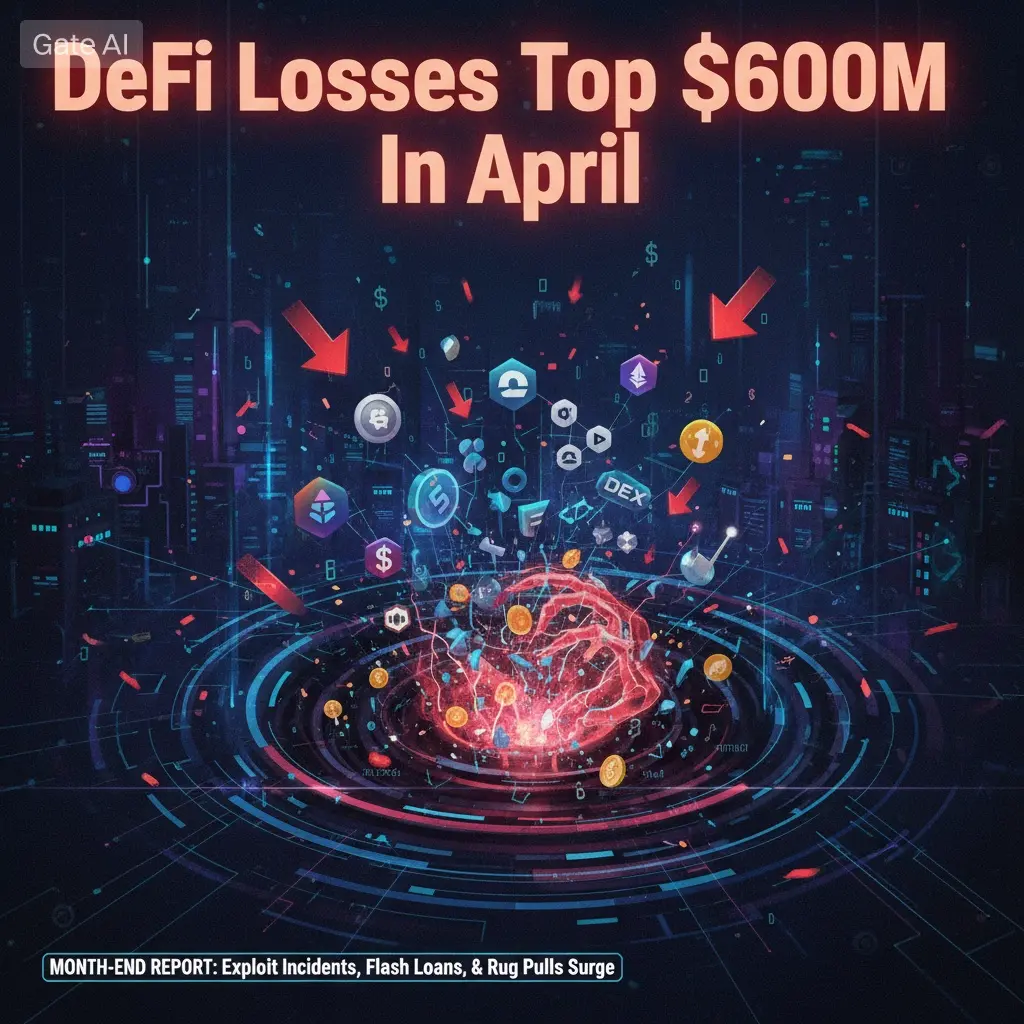
#DeFiLossesTop600MInApril
DeFiLossesTop600MInApril Legal Freeze Signals a Turning Point for DeFi Security
The DeFi ecosystem continues to face the aftershocks of April 2026’s record-breaking exploit wave, and a new legal development has added a critical dimension to the story. A U.S. court has blocked the transfer of approximately $73 million in frozen Ether (ETH) linked to the Kelp-related exploit, as part of a broader $877 million lawsuit tied to North Korea–associated cyber activity. This move highlights how regulatory and legal frameworks are now actively intersecting with decentralized f
ETH0.75%
post-image
Falcon_Official
#DeFiLossesTop600MInApril Legal Freeze Signals a Turning Point for DeFi Security
The DeFi ecosystem continues to face the aftershocks of April 2026’s record-breaking exploit wave, and a new legal development has added a critical dimension to the story. A U.S. court has blocked the transfer of approximately $73 million in frozen Ether (ETH) linked to the Kelp-related exploit, as part of a broader $877 million lawsuit tied to North Korea–associated cyber activity. This move highlights how regulatory and legal frameworks are now actively intersecting with decentralized finance.
From Exploit to Courtroom What Happened?
Following one of April’s major DeFi incidents, a portion of stolen funds held in Ethereum was identified and frozen. Instead of being moved or laundered through cross-chain routes, these assets are now subject to legal control due to ongoing investigations into state-linked cyber operations.
This action reflects a growing capability:
• Tracking stolen on-chain assets with higher precision
• Coordinating between blockchain analytics and legal institutions
• Preventing immediate liquidation or movement of compromised funds
It marks a shift from reactive damage control to proactive containment and enforcement.
Why This Case Matters for DeFi:
This is not just about one exploit it represents a broader structural change. For the first time at this scale, legal systems are directly influencing the outcome of DeFi security incidents.
Key implications include:
• Accountability Expansion Even decentralized exploits can face centralized legal consequences
• Asset Recovery Potential Frozen funds increase the chances of partial recovery
• Deterrence Effect Higher risk for attackers attempting large-scale exploits
The involvement of international legal frameworks also signals that DeFi is no longer operating in isolation it is becoming part of the global financial oversight system.
Context April’s $600M+ DeFi Losses:
This development comes after a month where DeFi recorded over $600 million in total losses, making it one of the most severe periods for on-chain security. The majority of these losses were concentrated in a few high-impact incidents, exposing vulnerabilities not only in smart contracts but also in governance systems and cross-chain infrastructure.
The freezing of funds shows that while exploits are evolving, defensive mechanisms are also improving.
Market Reaction & Industry Shift:
Despite the scale of recent exploits, the broader crypto market has remained relatively stable. Ethereum continues to trade within the $2,200–$2,350 range, indicating that investor confidence in core blockchain infrastructure remains intact.
At the same time, the industry is shifting focus toward:
• Enhanced monitoring of fund flows
• Stronger compliance integration
• Improved coordination between protocols and regulators
This reflects a transition from purely decentralized experimentation to a hybrid model of decentralization with accountability.
What This Means for Users & Traders:
For participants in DeFi, this situation reinforces several key lessons:
• Security is no longer just technical it is also legal
• Protocol selection should include risk and governance evaluation
• Transparency and traceability are becoming strengths, not weaknesses
Users who prioritize security-aware strategies will be better positioned as the ecosystem matures.
Crisis Driving Evolution:
The freezing of $73 million in ETH is more than a legal action it’s a signal that DeFi is entering a new phase. One where innovation continues, but within a framework that increasingly includes oversight, accountability, and enforcement.
April’s $600M losses exposed the risks.
This legal response shows the system is adapting.
And in that adaptation lies the future of DeFi.
#Gate广场五月交易分享
repost-content-media
  • Reward
  • 2
  • Repost
  • Share
Falcon_Official:
LFG 🔥
View More
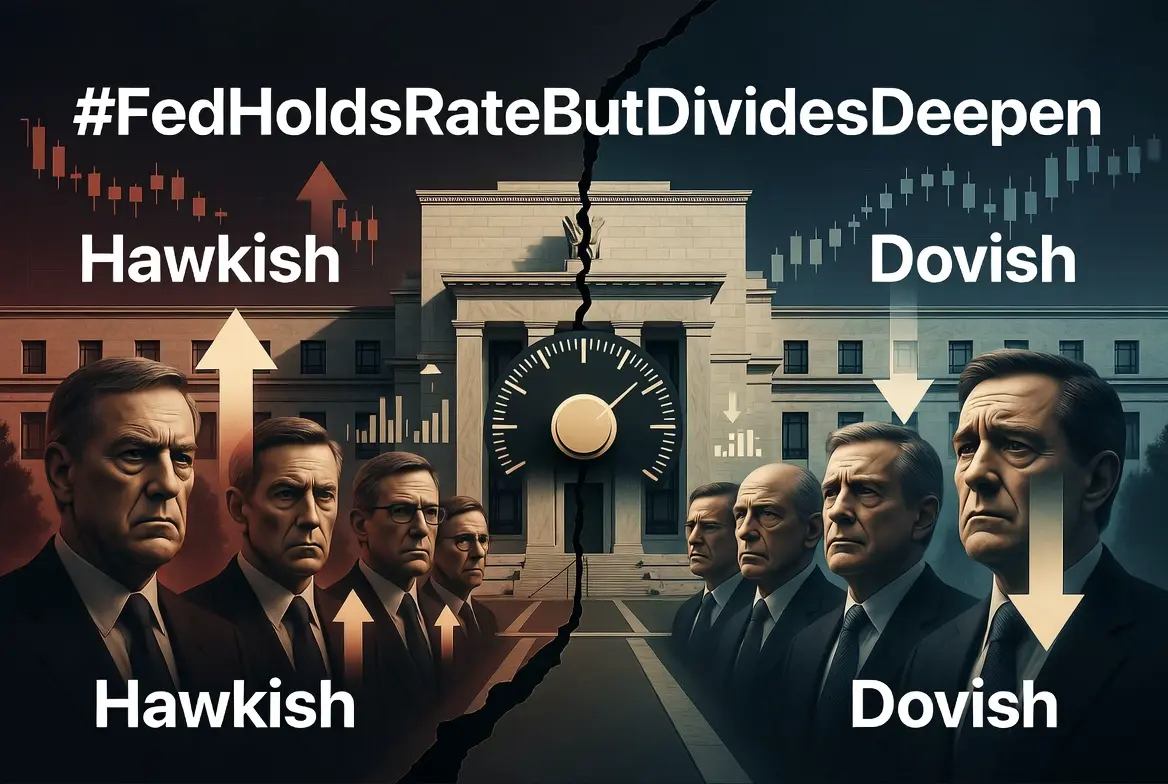
#FedHoldsRateButDividesDeepen
The Federal Reserve’s decision to keep interest rates unchanged has once again become the center of global market attention, but in my view the biggest mistake traders are making right now is focusing only on the headline and ignoring the deeper message behind it. A rate hold sounds simple, even boring on the surface, but the structure behind this decision tells a much bigger story. This was not just about keeping borrowing costs stable. This was about uncertainty inside the most powerful financial institution in the world, and when uncertainty starts growing in
BTC1.28%
post-image
Yusfirah
#FedHoldsRateButDividesDeepen
The Federal Reserve’s decision to keep interest rates unchanged has once again become the center of global market attention, but in my view the biggest mistake traders are making right now is focusing only on the headline and ignoring the deeper message behind it. A rate hold sounds simple, even boring on the surface, but the structure behind this decision tells a much bigger story. This was not just about keeping borrowing costs stable. This was about uncertainty inside the most powerful financial institution in the world, and when uncertainty starts growing inside the Fed itself, every major market feels the impact.
The deeper concern is the visible division among policymakers. That division tells us one important thing: there is no clear agreement on where the economy is heading next. Some officials still believe inflation remains dangerous and rates should stay restrictive for longer, while others are becoming increasingly concerned that keeping policy tight for too long could damage economic growth and employment. This disagreement matters because market confidence depends heavily on central bank clarity. When the Fed speaks with one voice, markets can position with more certainty. When that voice becomes divided, volatility increases because expectations become unstable.
From my perspective, this hold was not a sign of strength. It was a sign of hesitation. The Fed is standing between two major risks, and both are dangerous. On one side is inflation. Inflation may have cooled from its previous highs, but it is far from fully defeated. Core inflation remains sticky, service inflation remains elevated, and rising commodity prices continue to create upside risks. Oil remains one of the biggest inflation threats right now. Any disruption in supply or geopolitical escalation pushes energy costs higher, and energy directly affects transportation, manufacturing, and consumer prices. That chain reaction can quickly rebuild inflation pressure.
On the other side is economic growth. Consumer spending is showing signs of slowing. Credit card debt remains high. Borrowing costs remain expensive. Businesses are becoming more cautious. Housing remains sensitive to elevated rates. The labor market is still holding, but cracks are becoming visible. Hiring momentum is slowing, job openings are declining, and wage growth is normalizing. These are early signs that economic strength is no longer as solid as it looked a few months ago.
This is exactly why I believe the Fed is trapped. If they cut too early, inflation could return stronger and destroy the progress they worked for. If they wait too long, economic weakness could accelerate into something more serious. This policy trap creates one of the hardest trading environments because markets hate uncertainty more than bad news itself.
For traders, the most important thing to understand is how liquidity connects to all of this. Liquidity is the foundation of market momentum. When rates are high and monetary policy remains restrictive, liquidity stays tighter. When liquidity stays tight, speculative assets struggle to maintain aggressive momentum. This is especially important for crypto.
Bitcoin and altcoins react differently in these environments. Bitcoin often behaves as the stronger macro asset because institutions trust its liquidity, size, and relative stability compared to smaller assets. Altcoins, however, depend heavily on risk appetite. When the Fed delays cuts and macro uncertainty grows, that risk appetite weakens. This is why altcoin rallies can suddenly lose strength even when Bitcoin remains stable.
In my own trading experience, one of the most dangerous mistakes is assuming every Fed pause is bullish. Many traders think no hike means positive momentum, but that thinking is too simple. The real question is why the Fed paused. Was it confidence? Or fear? Today, it looks more like caution than confidence. That changes how I position.
Right now my focus is not on chasing aggressive breakouts. My focus is on protecting capital and staying flexible. In uncertain macro environments, I reduce leverage, avoid emotional entries, and wait for confirmation. Market conditions like this punish impatience. The strongest traders are not always the ones making the most trades — they are often the ones making the best decisions.
Another critical point traders should watch is bond yields. Bond yields are one of the clearest real-time indicators of how the market interprets Fed policy. If yields continue rising, it means markets are adjusting for higher rates for longer. That directly pressures equities and crypto because higher yields increase the attractiveness of safer assets compared to risk assets.
The U.S. dollar is equally important. A stronger dollar often creates pressure across commodities and crypto because global liquidity tightens. If the dollar strengthens further because traders reduce expectations of future cuts, crypto markets could face additional pressure. That’s why watching DXY right now is just as important as watching Bitcoin charts.
For equity traders, especially tech traders, this environment becomes more complex. Growth stocks are heavily dependent on future earnings expectations and lower discount rates. If rates remain elevated longer than expected, valuations remain under pressure. This means volatility in technology stocks may stay elevated even if earnings remain strong.
My personal advice for traders in this phase is to slow down and become more selective. Not every market move needs participation. Sometimes the best trade is patience. Sometimes protecting capital is more profitable than forcing entries. Market survival is not weakness. It is strategy.
The next few weeks will be extremely important. Inflation reports, labor data, consumer spending numbers, and oil market behavior will shape the next policy narrative. If inflation shows signs of reacceleration, rate cuts could be delayed further. If labor weakness grows faster than expected, the Fed may be forced into cuts despite inflation risks. Either outcome creates volatility.
That volatility is opportunity, but only for disciplined traders.
My current strategy remains simple: focus on stronger assets, avoid weak setups, reduce unnecessary leverage, take profits faster, and stay alert to macro shifts. This market is no longer being driven only by technicals. Macro is driving the larger direction, and technicals are reacting to it.
Final thought: the Fed holding rates unchanged is not the real story. The real story is the widening disagreement inside the Fed and what that means for future policy. That division tells me the market is entering a phase where policy uncertainty will dominate price action. In these conditions, traders need less emotion, more patience, stronger risk management, and a deeper understanding of macro forces. The next big move will not be decided by hype — it will be decided by data, liquidity, and policy direction. And traders who understand that will have the strongest edge.
repost-content-media
  • Reward
  • 7
  • Repost
  • Share
Falcon_Official:
LFG 🔥
View More
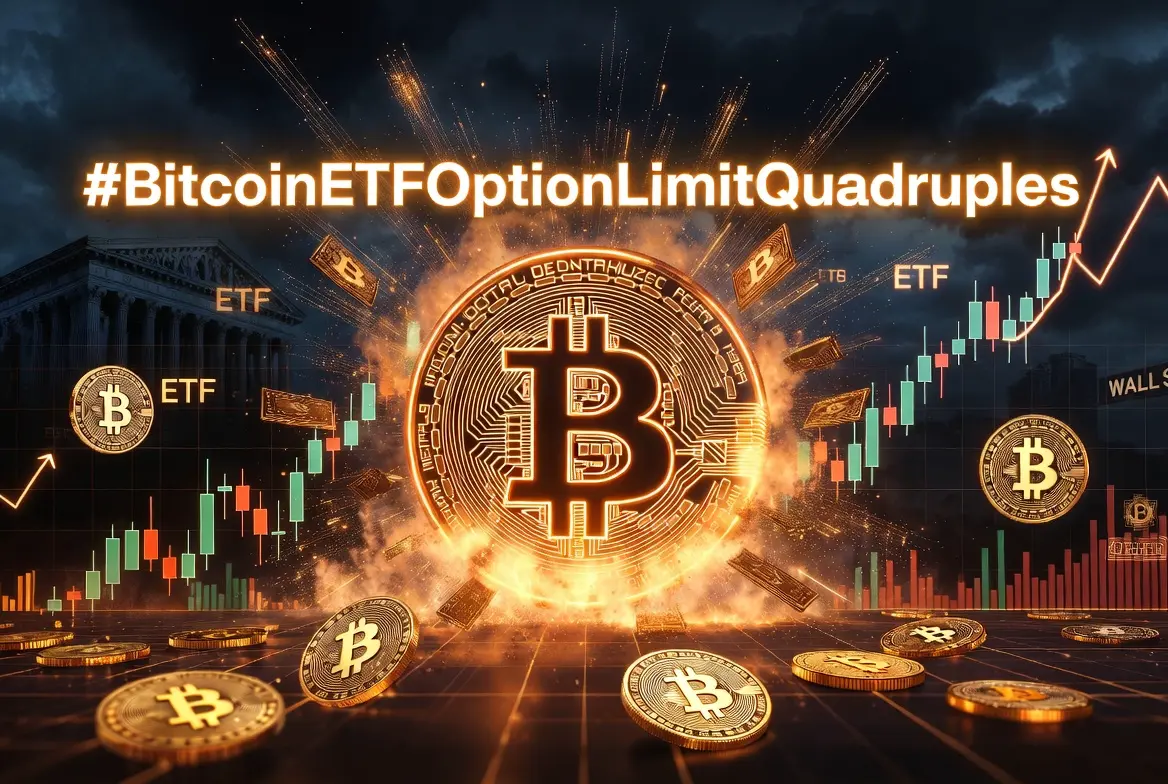
#BitcoinETFOptionLimitQuadruples
#Gate广场五月交易分享 Bitcoin Fluctuates Near $80K Institutions Accumulate While Options Market Stays Cautious
The Battle at $80,000: Why Bitcoin Can't Break Through
Bitcoin is trading at $79,754 right now, hovering just below the critical $80,000 resistance level that has become the defining battleground of 2026. The price touched $80,621 in the last 24 hours but couldn't sustain the breakout a pattern that has repeated multiple times since February.
24-Hour Stats:
💹 Current Price: $79,754
📈 24H Change: +2.07%
🔝 24H High: $80,621
🔻 24H Low: $78,131
💰 24H Volume:
BTC1.28%
post-image
Falcon_Official
#Gate广场五月交易分享 Bitcoin Fluctuates Near $80K Institutions Accumulate While Options Market Stays Cautious
The Battle at $80,000: Why Bitcoin Can't Break Through
Bitcoin is trading at $79,754 right now, hovering just below the critical $80,000 resistance level that has become the defining battleground of 2026. The price touched $80,621 in the last 24 hours but couldn't sustain the breakout a pattern that has repeated multiple times since February.
24-Hour Stats:
💹 Current Price: $79,754
📈 24H Change: +2.07%
🔝 24H High: $80,621
🔻 24H Low: $78,131
💰 24H Volume: $412.8M
📊 7D Gain: +4.47%
🗓️ 30D Gain: +15.55%
So what's keeping Bitcoin pinned below this level? The answer lies in a fascinating interplay between institutional accumulation and options market mechanics.
🏦 Institutions Are Buying and They Mean It
U.S. Spot Bitcoin ETFs have now accumulated over $53 billion in total net inflows more than triple the $15 billion maximum that analysts originally predicted. Key developments:
ETF holdings now approach 7% of total Bitcoin supply, making institutional buyers a structural force in the market
April saw over $2 billion in ETF inflows alone, with May recording the strongest inflow streak of 2026
Cumulative 2026 net inflows stand at $1.47 billion, completely offsetting earlier outflows
Total ETF AUM has reached $101.87 billion with combined holdings near historic levels
This is not speculative buying. Institutions are building long-term positions, and the data proves it. When a fund adds billions in exposure over consecutive weeks, it signals conviction not a quick flip.
⚡ The "Electric Fence": Why Options Traders Are Holding BTC Back
Here's where the story gets interesting. While institutions are accumulating on the spot side, the derivatives market is actively suppressing upside at $80K.
The $80K Call Cluster:
Deribit shows over $1.6 billion in call option open interest concentrated at the $80,000 strike price
This makes $80K the most popular strike on the entire options market
Approximately $160M in calls expired May 1, and $566M expire May 29 keeping pressure concentrated near this level
The Mechanism "Electric Fence": When traders sell call options at $80K, the dealers who hold these positions must hedge by selling Bitcoin as the price approaches that strike. This creates what Bloomberg describes as an "electric fence" — a systematic selling pressure that activates whenever BTC gets close to $80K. It's not sentiment-driven; it's pure derivatives mechanics.
The result? Every time Bitcoin pushes toward $80K, these hedging flows kick in and push the price back down. It's a self-reinforcing barrier built from structural positioning, not fear.
🎯 Options Market Sentiment: Cautious but Not Bearish
The derivatives data reveals a nuanced picture:
Implied probability of BTC reaching $84,000 by end of May: only 25% traders aren't pricing in a meaningful breakout
Futures open interest has declined in recent weeks, suggesting leveraged traders are reducing exposure rather than doubling down
Funding rates remain modest, no aggressive long positioning
The put/call structure favors contained upside — not a crash setup, but clearly not an explosive rally either
This is classic "wait and see" positioning. Traders believe BTC won't crash, but they're not willing to bet on a swift move above $80K either. The market is in a holding pattern.
🔮 What Happens Next? Three Scenarios
1. The Breakout ($80K → $85K+) If ETF inflows continue at the current pace and spot demand accelerates, the sheer weight of institutional buying could overwhelm the options hedge. Once $80K calls expire or get rolled to higher strikes, the "electric fence" dissolves and BTC could rally rapidly to the next resistance zone. The 90-day gain of +9% shows underlying momentum exists.
2. The Grinding Consolidation ($75K–$80K range) This is the most likely near-term scenario. Options pressure keeps BTC capped while institutional buying prevents a deeper drop. Price oscillates in this range until one force wins likely when a large options expiry shifts the positioning structure.
3. The Pullback ($75K or below) If spot demand slows further or macro headwinds strengthen, BTC could retrace to support around $75K. But with $53B+ in institutional inflows and ETF holdings near 7% of supply, the downside buffer is significant. A drop below $75K would likely be met with strong buying.
📌 Key Takeaway
Bitcoin is caught in a structural tug-of-war. Institutions are building long-term positions at an unprecedented rate, while options market mechanics create a synthetic ceiling at $80K. This isn't a story about weak demand it's about how derivatives positioning can temporarily override fundamental buying pressure.
The real question isn't "will Bitcoin break $80K?" it's "when does the options structure shift enough to let institutional demand express itself?" Based on current data, the expiration cycles on May 29 and subsequent months will be the key catalysts to watch.
Stay sharp. The setup is real, the data is clear, and the next move will matter.
#BitcoinETFOptionLimitQuadruples
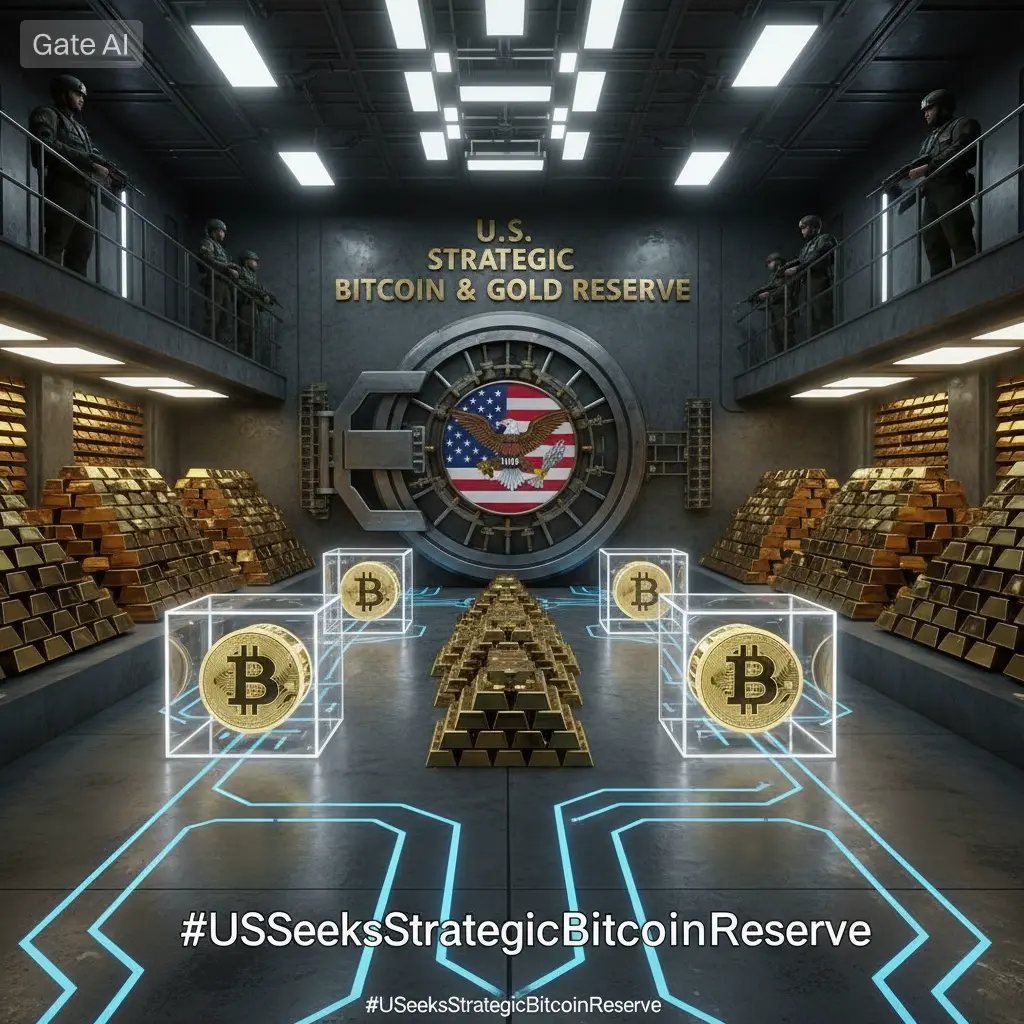
#USSeeksStrategicBitcoinReserve
repost-content-media
  • Reward
  • 5
  • Repost
  • Share
Falcon_Official:
LFG 🔥
View More
#USSeeksStrategicBitcoinReserve
#Gate广场五月交易分享
Bitcoin Fluctuates Near $80K Institutions Accumulate While Options Market Stays Cautious
The Battle at $80,000: Why Bitcoin Can't Break Through
Bitcoin is trading at $79,754 right now, hovering just below the critical $80,000 resistance level that has become the defining battleground of 2026. The price touched $80,621 in the last 24 hours but couldn't sustain the breakout a pattern that has repeated multiple times since February.
24-Hour Stats:
💹 Current Price: $79,754
📈 24H Change: +2.07%
🔝 24H High: $80,621
🔻 24H Low: $78,131
💰 24H Volume
BTC1.28%
post-image
Falcon_Official
#Gate广场五月交易分享 Bitcoin Fluctuates Near $80K Institutions Accumulate While Options Market Stays Cautious
The Battle at $80,000: Why Bitcoin Can't Break Through
Bitcoin is trading at $79,754 right now, hovering just below the critical $80,000 resistance level that has become the defining battleground of 2026. The price touched $80,621 in the last 24 hours but couldn't sustain the breakout a pattern that has repeated multiple times since February.
24-Hour Stats:
💹 Current Price: $79,754
📈 24H Change: +2.07%
🔝 24H High: $80,621
🔻 24H Low: $78,131
💰 24H Volume: $412.8M
📊 7D Gain: +4.47%
🗓️ 30D Gain: +15.55%
So what's keeping Bitcoin pinned below this level? The answer lies in a fascinating interplay between institutional accumulation and options market mechanics.
🏦 Institutions Are Buying and They Mean It
U.S. Spot Bitcoin ETFs have now accumulated over $53 billion in total net inflows more than triple the $15 billion maximum that analysts originally predicted. Key developments:
ETF holdings now approach 7% of total Bitcoin supply, making institutional buyers a structural force in the market
April saw over $2 billion in ETF inflows alone, with May recording the strongest inflow streak of 2026
Cumulative 2026 net inflows stand at $1.47 billion, completely offsetting earlier outflows
Total ETF AUM has reached $101.87 billion with combined holdings near historic levels
This is not speculative buying. Institutions are building long-term positions, and the data proves it. When a fund adds billions in exposure over consecutive weeks, it signals conviction not a quick flip.
⚡ The "Electric Fence": Why Options Traders Are Holding BTC Back
Here's where the story gets interesting. While institutions are accumulating on the spot side, the derivatives market is actively suppressing upside at $80K.
The $80K Call Cluster:
Deribit shows over $1.6 billion in call option open interest concentrated at the $80,000 strike price
This makes $80K the most popular strike on the entire options market
Approximately $160M in calls expired May 1, and $566M expire May 29 keeping pressure concentrated near this level
The Mechanism "Electric Fence": When traders sell call options at $80K, the dealers who hold these positions must hedge by selling Bitcoin as the price approaches that strike. This creates what Bloomberg describes as an "electric fence" — a systematic selling pressure that activates whenever BTC gets close to $80K. It's not sentiment-driven; it's pure derivatives mechanics.
The result? Every time Bitcoin pushes toward $80K, these hedging flows kick in and push the price back down. It's a self-reinforcing barrier built from structural positioning, not fear.
🎯 Options Market Sentiment: Cautious but Not Bearish
The derivatives data reveals a nuanced picture:
Implied probability of BTC reaching $84,000 by end of May: only 25% traders aren't pricing in a meaningful breakout
Futures open interest has declined in recent weeks, suggesting leveraged traders are reducing exposure rather than doubling down
Funding rates remain modest, no aggressive long positioning
The put/call structure favors contained upside — not a crash setup, but clearly not an explosive rally either
This is classic "wait and see" positioning. Traders believe BTC won't crash, but they're not willing to bet on a swift move above $80K either. The market is in a holding pattern.
🔮 What Happens Next? Three Scenarios
1. The Breakout ($80K → $85K+) If ETF inflows continue at the current pace and spot demand accelerates, the sheer weight of institutional buying could overwhelm the options hedge. Once $80K calls expire or get rolled to higher strikes, the "electric fence" dissolves and BTC could rally rapidly to the next resistance zone. The 90-day gain of +9% shows underlying momentum exists.
2. The Grinding Consolidation ($75K–$80K range) This is the most likely near-term scenario. Options pressure keeps BTC capped while institutional buying prevents a deeper drop. Price oscillates in this range until one force wins likely when a large options expiry shifts the positioning structure.
3. The Pullback ($75K or below) If spot demand slows further or macro headwinds strengthen, BTC could retrace to support around $75K. But with $53B+ in institutional inflows and ETF holdings near 7% of supply, the downside buffer is significant. A drop below $75K would likely be met with strong buying.
📌 Key Takeaway
Bitcoin is caught in a structural tug-of-war. Institutions are building long-term positions at an unprecedented rate, while options market mechanics create a synthetic ceiling at $80K. This isn't a story about weak demand it's about how derivatives positioning can temporarily override fundamental buying pressure.
The real question isn't "will Bitcoin break $80K?" it's "when does the options structure shift enough to let institutional demand express itself?" Based on current data, the expiration cycles on May 29 and subsequent months will be the key catalysts to watch.
Stay sharp. The setup is real, the data is clear, and the next move will matter.
#BitcoinETFOptionLimitQuadruples
#USSeeksStrategicBitcoinReserve
repost-content-media
  • Reward
  • 5
  • Repost
  • Share
Falcon_Official:
LFG 🔥
View More
#WCTCTradingKingPK
🚀 WCTC S8 First Week — Momentum, Metrics & Market Opportunity
The first week of WCTC S8 (World Crypto Trading Competition Season 8) has delivered a strong start, with participation and trading activity scaling rapidly across the platform. Hosted by Gate, the competition has already crossed major early milestones, signaling high trader engagement and competitive intensity. In just 7 days, registered users have exceeded 50,000, with over 7,000 teams actively participating, while total trading volume has surpassed $10 billion—a clear indicator of strong liquidity and aggressi
post-image
Falcon_Official
#WCTCTradingKingPK
🚀 WCTC S8 First Week — Momentum, Metrics & Market Opportunity
The first week of WCTC S8 (World Crypto Trading Competition Season 8) has delivered a strong start, with participation and trading activity scaling rapidly across the platform. Hosted by Gate, the competition has already crossed major early milestones, signaling high trader engagement and competitive intensity. In just 7 days, registered users have exceeded 50,000, with over 7,000 teams actively participating, while total trading volume has surpassed $10 billion—a clear indicator of strong liquidity and aggressive positioning from traders worldwide.
📊 Week 1 Performance Snapshot
The initial phase highlights both growth and acceleration. The $8,000,000 prize pool is designed with a dynamic unlocking mechanism, meaning the more active the traders and trading volume, the faster rewards are released. This creates a direct link between participation and earning potential, turning overall market activity into a shared advantage for all competitors. Early participation is proving critical, as traders who engage now gain more time to accumulate volume, improve rankings, and maximize reward exposure.
⚔️ Competition Structure — Multi-Layered Strategy
WCTC S8 is structured across three main competitive tracks, each targeting different trading approaches:
• 🛡 Team Competition — Teams compete on both profit and trading volume leaderboards, encouraging collaboration and strategic capital allocation.
• 🏆 Individual Rankings — Solo traders compete for top positions, with rankings updated daily based on performance metrics.
• ⚡ 1v1 PK Battles — Direct competition format where top daily performers can secure significant rewards, adding a high-intensity, short-term trading element.
This multi-track structure allows participants to diversify their strategy—combining teamwork, individual performance, and tactical battles to optimize overall results.
🎁 Ongoing Participation Benefits
Beyond leaderboard rewards, the competition offers continuous incentives designed to keep engagement high:
• New users receive contract experience funds, lowering entry barriers
• Team participants gain access to shared prize pool allocation, enhancing collective earnings
• Daily reward systems, including mystery boxes, ensure consistent opportunities for all activity levels
These features create a balanced ecosystem where both high-volume traders and new entrants can benefit simultaneously.
📈 Strategic Insight — Why Timing Matters
At this stage, the competition is entering a critical growth phase. Early participants hold a clear advantage, but the leaderboard remains dynamic, meaning positions can still shift rapidly. Traders who increase activity now—through higher volume, better risk management, and strategic positioning—can still climb rankings effectively.
The combination of high liquidity, competitive incentives, and daily ranking updates makes this period one of the most important windows for maximizing returns within the event.
🔥 Final Takeaway
WCTC S8 is not just a trading competition—it’s a performance-driven ecosystem where activity, consistency, and strategy directly translate into rewards. With strong first-week metrics and an unlocking prize pool, the opportunity is expanding in real time.
For traders, the approach is clear:
Act early, stay consistent, and leverage every available track to maximize your position.
The leaderboard is still in motion and the biggest rewards are reserved for those who adapt fastest.
repost-content-media
  • Reward
  • 4
  • Repost
  • Share
Falcon_Official:
LFG 🔥
View More
#BitcoinSpotVolumeNewLow
BITCOIN SPOT VOLUME REACHES NEW LOW MARKET STRUCTURE SIGNALING A SHIFT IN LIQUIDITY DYNAMICS
GLOBAL CRYPTO MARKET ENTERS A LOW PARTICIPATION PHASE
Bitcoin spot trading volume has dropped to a new low, signaling a significant shift in market participation and liquidity behavior across the digital asset ecosystem. This decline is not merely a temporary fluctuation but reflects a broader structural change in how capital is flowing through the crypto market.
The reduction in spot volume indicates that fewer participants are actively engaging in direct Bitcoin purchases at
BTC1.28%
post-image
  • Reward
  • 5
  • 1
  • Share
Luna_Star:
Ape In 🚀
View More
#OilBreaks110
OIL BREAKS 110 MARKET SHOCK AND GLOBAL ECONOMIC PRESSURE BUILDING
GLOBAL ENERGY MARKET REACHES A CRITICAL INFLECTION POINT
The crude oil market has entered a decisive phase as prices break and sustain above the 110 dollar per barrel level. This movement is not just a numerical milestone but a structural shift that reflects deeper imbalances in global supply dynamics, geopolitical risk premiums, and macroeconomic stress across multiple regions.
The breakout above 110 is being interpreted by analysts as a signal that the energy market is transitioning from a controlled volatility
post-image
  • Reward
  • 8
  • Repost
  • Share
Luna_Star:
2026 GOGOGO 👊
View More
#TreasuryYieldBreaks5PercentCryptoUnderPressure
TREASURY YIELDS HAVE MOVED ABOVE THE 5 PERCENT THRESHOLD AND GLOBAL RISK MARKETS ARE FEELING THE IMPACT. FOR CRYPTO TRADERS THIS IS NOT JUST A BOND MARKET HEADLINE. IT IS A DIRECT SIGNAL THAT CAPITAL COSTS ARE RISING, LIQUIDITY CONDITIONS ARE TIGHTENING, AND INVESTORS ARE REPRICING RISK ACROSS MULTIPLE ASSET CLASSES. WHEN SAFE YIELDING INSTRUMENTS OFFER STRONGER RETURNS, SPECULATIVE CAPITAL OFTEN BECOMES MORE SELECTIVE. THAT SHIFT CAN PLACE DIGITAL ASSETS UNDER SHORT TERM PRESSURE EVEN WHEN LONG TERM STRUCTURES REMAIN INTACT.
THE MOVE ABOVE 5 PE
BTC1.28%
ETH0.75%
post-image
  • Reward
  • 7
  • Repost
  • Share
Luna_Star:
LFG 🔥
View More
#TapAndPayWithGateCard
THE GLOBAL PAYMENT LANDSCAPE IS ENTERING A NEW ERA WHERE SPEED, CONVENIENCE, SECURITY, AND DIGITAL ASSET INTEGRATION ARE NO LONGER OPTIONAL FEATURES. THEY ARE CORE EXPECTATIONS. THE RISE OF CONTACTLESS PAYMENTS HAS CHANGED HOW PEOPLE INTERACT WITH MONEY, AND THE INTRODUCTION OF GATE CARD INTO THIS EVOLVING ENVIRONMENT REPRESENTS A STRATEGIC STEP TOWARD CONNECTING CRYPTO ECONOMIES WITH EVERYDAY COMMERCE. TAP AND PAY IS NOT JUST A FEATURE. IT IS A SYMBOL OF FINANCIAL INFRASTRUCTURE BECOMING FASTER, SMARTER, AND MORE BORDERLESS.
FOR YEARS, DIGITAL ASSETS WERE VIEWED MAINL
post-image
  • Reward
  • 5
  • Repost
  • Share
Luna_Star:
Ape In 🚀
View More
#DailyPolymarketHotspot
THE PREDICTION MARKET ECONOMY IS EVOLVING INTO ONE OF THE MOST DYNAMIC INFORMATION LAYERS IN MODERN FINANCE, AND TODAY’S POLYMARKET HOTSPOT SHOWS EXACTLY WHY TRADERS, ANALYSTS, JOURNALISTS, AND MACRO OBSERVERS ARE WATCHING THIS SPACE MORE CLOSELY THAN EVER. POLYMARKET HAS MOVED FAR BEYOND A NICHE PLATFORM FOR SPECULATION. IT HAS BECOME A LIVE SENTIMENT ENGINE WHERE CAPITAL MEETS PROBABILITY, WHERE NEWS MEETS PRICE DISCOVERY, AND WHERE COLLECTIVE EXPECTATIONS ARE TRANSLATED INTO TRADEABLE ODDS IN REAL TIME.
EVERY DAY BRINGS A NEW BATTLEFIELD OF EVENTS. ELECTIONS, CENTRA
post-image
  • Reward
  • 7
  • Repost
  • Share
Luna_Star:
2026 GOGOGO 👊
View More
#DeFiLossesTop600MInApril
DEFI LOSSES TOP 600 MILLION IN APRIL
APRIL HAS DELIVERED A HARSH REMINDER THAT DECENTRALIZED FINANCE REMAINS ONE OF THE MOST INNOVATIVE YET MOST VULNERABLE SEGMENTS OF THE DIGITAL ASSET ECONOMY. TOTAL REPORTED LOSSES ACROSS THE DEFI LANDSCAPE HAVE SURPASSED 600 MILLION DOLLARS FOR THE MONTH, DRIVEN BY SMART CONTRACT EXPLOITS, PRIVATE KEY COMPROMISES, FLASH LOAN ATTACKS, BRIDGE BREACHES, PHISHING OPERATIONS, GOVERNANCE MANIPULATION, AND HUMAN ERROR. THE NUMBER IS NOT JUST A HEADLINE. IT IS A SIGNAL THAT CAPITAL CONTINUES TO FLOW INTO OPEN FINANCIAL SYSTEMS FASTER THAN
BTC1.28%
ETH0.75%
post-image
  • Reward
  • 7
  • Repost
  • Share
discovery:
To The Moon 🌕
View More
#FedHoldsRateButDividesDeepen
FED HOLDS RATES BUT DIVIDES DEEPEN AS POLICY PATH TURNS INTO A HIGH STAKES WAITING GAME
The latest Federal Reserve decision delivered what many markets expected on the surface: no immediate rate cut and no surprise hike. Yet beneath the headline of holding rates steady, a much more important signal emerged. Internal divisions are widening. Policymakers appear increasingly split over inflation risks, labor market softness, growth momentum, and the timing of future easing. That divide matters because when consensus weakens, forward guidance becomes less predictable
post-image
  • Reward
  • 4
  • Repost
  • Share
Luna_Star:
To The Moon 🌕
View More
#BitcoinETFOptionLimitQuadruples
BITCOIN ETF OPTION LIMIT QUADRUPLES AND A NEW ERA OF INSTITUTIONAL CRYPTO EXPOSURE BEGINS
THE DIGITAL ASSET MARKET HAS ENTERED ANOTHER MAJOR PHASE OF MATURITY AS THE POSITION LIMIT FOR BITCOIN ETF OPTIONS HAS BEEN EXPANDED FOURFOLD. THIS DEVELOPMENT MAY LOOK TECHNICAL ON THE SURFACE, BUT FOR PROFESSIONAL TRADERS, HEDGE FUNDS, MARKET MAKERS, TREASURY DESKS, AND LARGE SCALE INVESTORS, IT REPRESENTS A POWERFUL STRUCTURAL SHIFT. WHEN OPTION LIMITS INCREASE, THE SIZE OF RISK THAT INSTITUTIONS CAN MANAGE, HEDGE, AND EXPRESS THROUGH REGULATED PRODUCTS ALSO INCREASES.
BTC1.28%
post-image
post-image
  • Reward
  • 4
  • Repost
  • Share
Luna_Star:
2026 GOGOGO 👊
View More
#USSeeksStrategicBitcoinReserve
A NEW MONETARY ERA MAY BE FORMING
For decades, nations built strategic reserves around assets considered essential for security, stability, and geopolitical leverage. Oil reserves protected energy supply. Gold reserves strengthened confidence. Foreign currency reserves supported trade and crisis response. Now a new debate is emerging in global finance: should a major nation hold Bitcoin as part of a strategic reserve system?
The phrase USSEEKSSTRATEGICBITCOINRESERVE signals more than a headline. It represents a possible shift in how governments may begin to cla
post-image
  • Reward
  • 4
  • Repost
  • Share
Luna_Star:
To The Moon 🌕
View More
  • Pin