

Trade
Basic
Futures
Futures
Hundreds of contracts settled in USDT or BTC
TradFi
Gold
Trade global traditional assets with USDT in one place
Options
Hot
Trade European-style vanilla options
Unified Account
Maximize your capital efficiency
Demo Trading
Futures Kickoff
Get prepared for your futures trading
Futures Events
Participate in events to win generous rewards
Demo Trading
Use virtual funds to experience risk-free trading
Earn
Launch
CandyDrop
Collect candies to earn airdrops
Launchpool
Quick staking, earn potential new tokens
HODLer Airdrop
Hold GT and get massive airdrops for free
Launchpad
Be early to the next big token project
Alpha Points
Trade on-chain assets and enjoy airdrop rewards!
Futures Points
Earn futures points and claim airdrop rewards
Investment
Simple Earn
Earn interests with idle tokens
Auto-Invest
Auto-invest on a regular basis
Dual Investment
Buy low and sell high to take profits from price fluctuations
Soft Staking
Earn rewards with flexible staking
Crypto Loan
0 Fees
Pledge one crypto to borrow another
Lending Center
One-stop lending hub
VIP Wealth Hub
Customized wealth management empowers your assets growth
Private Wealth Management
Customized asset management to grow your digital assets
Quant Fund
Top asset management team helps you profit without hassle
Staking
Stake cryptos to earn in PoS products
Smart Leverage
New
No forced liquidation before maturity, worry-free leveraged gains
GUSD Minting
Use USDT/USDC to mint GUSD for treasury-level yields

More


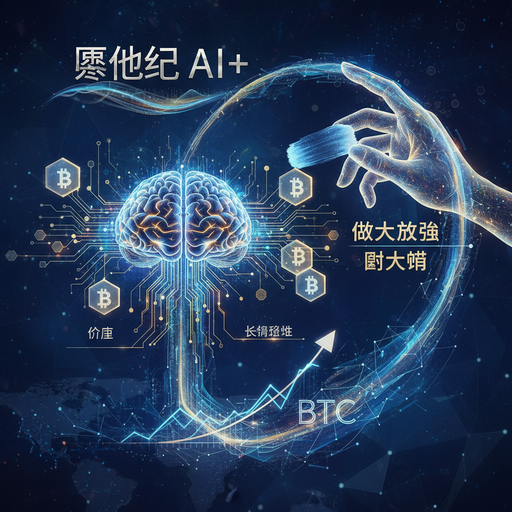


What is On-Chain? A Basic Guide to Blockchain Asset Management and Utilization
As blockchain technology continues to develop, the concept of “on-chain” is becoming increasingly important. On-chain refers to the state of directly recording data on the blockchain, meaning the operation of crypto assets on the blockchain itself. In particular, utilizing this mechanism through staking services is expanding among individual investors. This guide provides a detailed overview of on-chain asset management, including its benefits, risks, and practical questions.
Basics of On-Chain Asset Management: How Staking Works and Its Features
On-chain asset management involves depositing crypto assets directly into proof-of-stake (PoS) networks to contribute to network security and earn rewards in return. Traditional staking required advanced technical knowledge and hardware investments, but now it can be started with just a few clicks via simple platforms.
In essence, on-chain refers to asset management that functions directly on the blockchain. It eliminates the need for complex procedures like gas fees or node operation and supports major PoS tokens such as Bitcoin (BTC), Ethereum (ETH), and Solana (SOL). It also plays an important role in promoting blockchain decentralization while reducing the risk of single points of failure.
Benefits and Economic Value of Participating in Staking
The main advantage of on-chain asset management is the continuous earning of rewards through daily yields or the appreciation of liquidity tokens. These rewards primarily come from newly minted tokens and transaction fees collected from blockchain networks.
The annual percentage rate (APR) for staking varies depending on network conditions. Factors such as total staked assets, network inflation rate, and transaction volume influence it. Therefore, platforms should provide transparent yield information. Additionally, many platforms offer APR bonuses, with extra yields deposited into funding accounts every day at 6:00 AM Japan time.
To participate in bonus APR, you need to maintain your staking position or hold the minted tokens for 24 hours. For example, holding tokens from 12:00 AM T+0 to 12:00 AM T+1 allows you to receive additional yield added at 6:00 AM UTC on T+1. Since bonus APR fluctuates daily based on the prize pool and total staked amount, it’s essential to check each staking pool’s rules.
Risk Management: Important Points to Know
While on-chain asset management offers profit opportunities, it’s crucial to understand the various risks involved.
Market risk is the most direct, where a decline in crypto asset prices can reduce the value of staked assets. Even with staking rewards, if the price drops more than the rewards gained, actual losses may occur.
Lock-up periods are set in some networks, during which assets are locked and cannot be accessed freely. This can cause delays in unstaking, making it difficult to respond quickly during market volatility.
Technical issues or attacks on the blockchain should also be considered. Technical failures can impact staking performance, potentially causing delays or losses in rewards.
How to Participate and Answers to Practical Questions
Eligibility and Identity Verification
Participation in on-chain asset management generally requires at least basic identity verification. Similar to other investment products, this is a mandatory process to meet regulatory requirements.
Cancelling Orders and Redeeming
Once an order is submitted, it cannot be canceled. However, platforms typically allow users to stake or redeem tokens at any time with flexibility. Note that redemption processing times vary depending on the protocol, so it’s important to confirm this in advance.
Fee Structure
Service fees are charged, but these are reflected in the yield received by users. For example, if the initial yield is 10 USDT and the fee is 1%, the final payout would be 9.9 USDT. Fee rates differ by protocol, so please check the details on each staking page.
Supported Tokens and Protocols
On-chain asset management supports a variety of tokens and staking protocols, each with different staking and redemption rules. For the latest supported assets and protocols, please refer to the official on-chain asset management page.
Future Outlook for On-Chain Asset Management
On-chain is not just about staking functions; it is a vital mechanism that supports the sustainable development of blockchain networks. Participants strengthen network security and promote decentralization while earning rewards, leading to a more robust and reliable blockchain ecosystem. As technology advances, access to these mechanisms is expected to become available to even more users.