

Trade
Basic
Futures
Futures
Hundreds of contracts settled in USDT or BTC
TradFi
Gold
Trade global traditional assets with USDT in one place
Options
Hot
Trade European-style vanilla options
Unified Account
Maximize your capital efficiency
Demo Trading
Futures Kickoff
Get prepared for your futures trading
Futures Events
Participate in events to win generous rewards
Demo Trading
Use virtual funds to experience risk-free trading
Earn
Launch
CandyDrop
Collect candies to earn airdrops
Launchpool
Quick staking, earn potential new tokens
HODLer Airdrop
Hold GT and get massive airdrops for free
Launchpad
Be early to the next big token project
Alpha Points
Trade on-chain assets and enjoy airdrop rewards!
Futures Points
Earn futures points and claim airdrop rewards
Investment
Simple Earn
Earn interests with idle tokens
Auto-Invest
Auto-invest on a regular basis
Dual Investment
Buy low and sell high to take profits from price fluctuations
Soft Staking
Earn rewards with flexible staking
Crypto Loan
0 Fees
Pledge one crypto to borrow another
Lending Center
One-stop lending hub
VIP Wealth Hub
Customized wealth management empowers your assets growth
Private Wealth Management
Customized asset management to grow your digital assets
Quant Fund
Top asset management team helps you profit without hassle
Staking
Stake cryptos to earn in PoS products
Smart Leverage
New
No forced liquidation before maturity, worry-free leveraged gains
GUSD Minting
Use USDT/USDC to mint GUSD for treasury-level yields

More


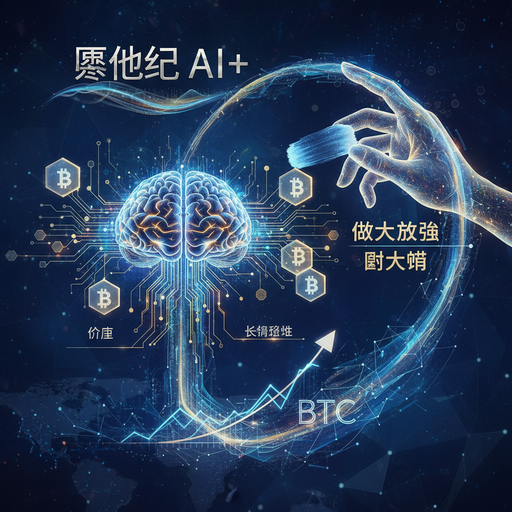


Beyond Centralization: Understanding Web 3.0 Technology and the Future of the Decentralized Internet
The internet we know today is changing fundamentally. Web 3.0 technology represents a radical departure from the centralized internet systems we’ve relied on for decades, introducing a new paradigm where users reclaim control over their digital identity, data, and online interactions. Built on the foundation of blockchain networks and powered by cryptocurrencies, Web 3.0 offers a vision of the internet where individuals, not corporations, hold the keys to their digital lives.
What Exactly Is Web 3.0 Technology? The Internet’s Next Evolution
Web 3.0 technology, often referred to simply as Web3, describes a decentralized internet powered by blockchain infrastructure. Unlike the internet today, where centralized platforms like Google, Meta, and Amazon dictate how we share information and monetize our digital presence, Web3 fundamentally redistributes power back to users.
The architecture of Web 3.0 technology relies on distributed ledger systems and decentralized applications (dApps) that operate independently of any single entity. These applications span diverse sectors—from digital finance to gaming, social networks, and virtual worlds. On blockchain networks like Ethereum, developers build dApps that prioritize user privacy, data ownership, and transparent operations without intermediaries.
The concept of Web 3.0 technology wasn’t accidental. Dr. Gavin Wood, Ethereum’s co-founder and creator of Polkadot, articulated this vision in 2014, advocating for a web that would restore user trust by eliminating reliance on a handful of tech conglomerates. His vision emphasized security, transparency, and user agency—principles that continue to drive Web3 development today.
From Read-Only to Read-Write-Own: The Internet’s Three Generations Explained
To truly grasp Web 3.0 technology’s significance, we need to understand the internet’s evolutionary journey across three distinct phases, each offering different levels of user interaction and control.
The First Generation: Web 1.0 (1989-2004)
The early internet, launched in the late 1980s, was fundamentally a one-way communication channel. Web 1.0 presented information as static content—companies published websites filled with text and images that users could view but not modify or interact with meaningfully. This read-only model meant the internet functioned as a passive information repository rather than a dynamic social platform. The user experience was limited to consuming content created by businesses and institutions.
The Social Media Era: Web 2.0 (2004-Present)
The introduction of social networks around 2004 transformed the internet into a participatory ecosystem. Platforms like Facebook, Twitter, and Instagram shifted the paradigm to “read-write,” enabling users to create, share, and interact with content in real-time. This democratization of content creation revolutionized how people communicated, organized movements, and built communities online.
However, Web 2.0’s promise came with a hidden cost. The very platforms that empowered users to create and share became surveillance engines. These centralized corporations hoarded user data, tracked behavior across the web, and profited by selling targeted advertising based on intimate personal information. Users became products rather than customers. Issues around data breaches, privacy violations, and algorithmic manipulation have become endemic to the Web2 experience.
The Ownership Revolution: Web 3.0 and Beyond
Web 3.0 technology introduces the third phase: “read-write-own.” This paradigm grants users not just the ability to read and write content, but genuine ownership of their digital assets and data. Built on blockchain, Web3 enables people to control their information, possess valuable digital items (NFTs), and participate directly in the governance of platforms they use.
The timeline matters: while Gavin Wood proposed Web3 in 2014, widespread recognition only came after years of innovation. The P2E gaming boom of 2021, along with the NFT explosion, introduced millions of people to Web3 concepts. Today, growing distrust in Web2 systems continues to accelerate Web 3.0 technology’s adoption trajectory.
Core Strengths: How Web 3.0 Technology Fixes Web 2.0’s Critical Flaws
Web 3.0 technology doesn’t merely reimagine the internet—it solves concrete problems that Web2 created. Here’s how its key features deliver tangible improvements:
Returning Control Through Decentralization
At the heart of Web 3.0 technology lies decentralization. dApps operate across distributed networks rather than centralized servers, meaning no single company controls your data or dictates platform rules. Users own and manage their digital information directly, preventing unauthorized tracking, surveillance, or misuse. This architectural shift fundamentally changes the relationship between platforms and users—from owner-and-product to peer-to-peer collaboration.
Universal Access Without Permission
Web 3.0 technology democratizes participation entirely. Anyone with internet access can create, trade, earn, and participate in dApps without requiring permission from gatekeepers. This permissionless nature extends equal rights to developers, creators, and consumers. Contrast this with Web2, where platforms can arbitrarily ban users, suspend accounts, or restrict access based on their policies.
Trust Built Into the System
Rather than trusting a corporation’s promises, Web 3.0 technology embeds trust through cryptographic proof and smart contracts. These self-executing programs operate transparently, with their logic visible and verifiable by anyone. Token-based incentives ensure all participants behave optimally, eliminating the concentration of power in third-party hands. Trust becomes mathematical rather than institutional.
Speed and Accessibility Through Cryptocurrency
Web 3.0 technology runs on cryptocurrency rails, enabling instant peer-to-peer transactions without banks or payment processors. This removes costs, delays, and barriers that plague traditional finance. For the estimated 1.7 billion unbanked people globally, cryptocurrency access via Web3 represents the first genuine path to financial services.
Cryptographic Security by Default
The blockchain technology underlying Web 3.0 provides inherent security through cryptography and immutability. Once data is recorded, it cannot be altered or deleted secretly. Smart contracts offer unprecedented transparency—the code governing transactions is publicly auditable. This contrasts sharply with Web2, where algorithms and data practices remain opaque black boxes.
Seamless Integration Across Platforms
Web 3.0 technology is engineered for interoperability. Applications can connect fluidly with multiple systems, creating a composable ecosystem where innovations build upon each other. Users migrate between dApps effortlessly, carrying their identities and assets. This flexibility—absent in Web2’s siloed platforms—enables more efficient ecosystems and faster technological adoption.
Intelligence at the Foundation
Web 3.0 technology develops alongside emerging technologies like artificial intelligence, machine learning, and natural language processing. These innovations integrate directly into decentralized protocols, enabling dApps to offer intuitive, responsive experiences from launch. By contrast, retrofitting Web2 applications with AI remains technically challenging and resource-intensive.
Real-World Applications Taking Web 3.0 Technology Mainstream
The potential of Web 3.0 technology moves beyond theory. Multiple sectors already demonstrate its transformative capacity:
Decentralized Finance (DeFi)
DeFi represents one of Web 3.0 technology’s most mature use cases. Protocols like Uniswap and Aave operate as peer-to-peer financial marketplaces built on blockchain networks. Users trade cryptocurrencies, borrow funds, earn interest, and invest—all without intermediaries. DeFi has opened financial markets to millions previously excluded from traditional banking, while reducing transaction costs dramatically.
Non-Fungible Tokens and Asset Ownership
NFTs powered by Web 3.0 technology enable the tokenization of unique digital and physical assets. Creators gain ownership and transparency; ownership transfers become instant and verifiable. As NFT markets mature, use cases expand from digital art to real estate, supply chain verification, and credential management. This infrastructure makes Web 3.0 technology essential for future asset management.
GameFi and Play-to-Earn Models
The Play-to-Earn explosion introduced mainstream audiences to Web 3.0 technology through gaming. Projects like Axie Infinity and STEPN reward players with cryptocurrency for participation. GameFi transforms gaming from pure entertainment into economically productive activity, providing real income opportunities in developing nations while making games more engaging than their Web2 predecessors.
Immersive Metaverse Experiences
The metaverse, powered by Web 3.0 technology, leverages blockchain alongside augmented and virtual reality. Projects like The Sandbox and Decentraland let users own virtual property, build experiences, and commerce in persistent digital worlds. As XR hardware advances, metaverse applications will become increasingly indistinguishable from physical reality.
Decentralized Social Networks
Platforms like Mastodon, Audius, and Steem demonstrate how Web 3.0 technology rewrites social media. These networks give users complete control over their data; they cannot be profiled, manipulated by algorithms, or monetized without consent. Content creators earn directly rather than watching corporations profit from their work.
Encrypted Cloud Storage
Web 3.0 technology provides decentralized storage alternatives to AWS and similar centralized services. Projects like Filecoin and Storj distribute files across networks, offering lower costs, superior privacy, and better availability. Data remains encrypted and dispersed, making breaches or access denial functionally impossible.
Self-Sovereign Digital Identities
As Web 3.0 technology adoption accelerates, decentralized identity systems become essential infrastructure. Rather than juggling countless usernames and passwords, Web3 wallets like MetaMask provide single sign-on access to hundreds or thousands of dApps. Users control sensitive information while remaining pseudonymous or verified as needed—a flexibility traditional identity systems cannot match.
Why Crypto Investors Can’t Ignore Web 3.0 Technology
For cryptocurrency investors, understanding Web 3.0 technology proves critical. Cryptocurrencies and digital assets (NFTs, tokens) form the economic foundation of Web3. These assets serve dual purposes: as monetary incentives driving user-generated content and participation, and as governance tools.
Token holders in decentralized autonomous organizations (DAOs) receive voting rights—genuine influence over platform evolution. This distributed governance creates decision-making processes far more transparent and democratic than Web2’s top-down corporate structures. Communities, not billionaire CEOs, shape platform futures.
This model democratizes both economics and power. Decentralized protocols belong to their users rather than corporations. By holding native tokens, users establish genuine ownership stakes, aligning incentives and creating more sustainable, responsible platforms. This ownership structure stands in stark contrast to Web2, where users remain perpetually disenfranchised.
Is Web 3.0 Technology the Internet’s Future?
The coming era of internet evolution will prioritize authentic value creation and transparent ownership models. Web 3.0 technology offers the infrastructure—blockchain networks, cryptocurrencies, and decentralized protocols—necessary for this transformation.
The next generation internet demands engagement models that reward all participants fairly rather than enriching a select few gatekeepers. Unlike Web1’s static model or Web2’s exploitative concentration, Web 3.0 technology enables open internet architecture where monetary incentives, decentralized governance, and user ownership create platforms that are simultaneously more accountable, inclusive, and sustainable.
Every day, frustration with current internet systems intensifies. People increasingly refuse to surrender their data and content to corporations that neither ask permission nor share profits. Web 3.0 technology provides the escape route—a path where creators and consumers reclaim control, operate transparently, and distribute value fairly across the ecosystem.
Whether through semantic web technologies or other distributed systems, Web 3.0 technology appears inevitable. The authentic question isn’t whether decentralization comes, but whether you’re prepared to participate in reshaping how the internet functions.
Key Takeaways
Web 3.0 technology represents a fundamental internet reimagining, shifting from centralization toward decentralization, permissionless access, and trustless operations powered by blockchain.
The progression from Web1’s read-only model through Web2’s read-write phase to Web3’s read-write-own paradigm reflects evolving user expectations around ownership and agency.
Core advantages of Web 3.0 technology include genuine data ownership, cryptographic security, peer-to-peer payments, platform interoperability, and algorithmic transparency.
Multiple sectors already demonstrate Web 3.0 technology’s practical applications, from DeFi and GameFi to metaverse platforms and decentralized social networks, each proving blockchain’s transformative potential.
For cryptocurrency investors specifically, Web 3.0 technology creates new economic models where ownership, governance participation, and fair value distribution become possible at scale.
As distrust in centralized internet platforms accelerates, Web 3.0 technology increasingly appears poised to define internet infrastructure for the next generation.