

Trade
Basic
Futures
Futures
Hundreds of contracts settled in USDT or BTC
Options
HOT
Trade European-style vanilla options
Unified Account
Maximize your capital efficiency
Demo Trading
Futures Kickoff
Get prepared for your futures trading
Futures Events
Participate in events to win generous rewards
Demo Trading
Use virtual funds to experience risk-free trading
Earn
Launch
CandyDrop
Collect candies to earn airdrops
Launchpool
Quick staking, earn potential new tokens
HODLer Airdrop
Hold GT and get massive airdrops for free
Launchpad
Be early to the next big token project
Alpha Points
NEW
Trade on-chain assets and enjoy airdrop rewards!
Futures Points
NEW
Earn futures points and claim airdrop rewards
Investment
Simple Earn
Earn interests with idle tokens
Auto-Invest
Auto-invest on a regular basis
Dual Investment
Buy low and sell high to take profits from price fluctuations
Soft Staking
Earn rewards with flexible staking
Crypto Loan
0 Fees
Pledge one crypto to borrow another
Lending Center
One-stop lending hub
VIP Wealth Hub
Customized wealth management empowers your assets growth
Private Wealth Management
Customized asset management to grow your digital assets
Quant Fund
Top asset management team helps you profit without hassle
Staking
Stake cryptos to earn in PoS products
Smart Leverage
NEW
No forced liquidation before maturity, worry-free leveraged gains
GUSD Minting
Use USDT/USDC to mint GUSD for treasury-level yields

More

Trending Topics
View More7.44K Popularity
30.62K Popularity
5.85K Popularity
5.26K Popularity
90.29K Popularity
Hot Gate Fun
View More- MC:$3.58KHolders:20.09%
- MC:$3.63KHolders:20.33%
- MC:$3.53KHolders:10.00%
- MC:$3.62KHolders:30.47%
- MC:$3.66KHolders:20.95%





Pin
Gate Square New & Returning Creator Rewards are ongoing!
Your ideas may be more valuable than you think!
Make your first post or come back post to share a $20,000 monthly prize pool!
Post with #MyFirstPostOnSquare to receive a $50 Position Voucher each
Monthly Top Posters and Top Engagers will each earn an extra $50 reward
Your crypto insights could inspire many—start creating today!
👉 https://www.gate.com/postGate Square “Creator Certification Incentive Program” — Recruiting Outstanding Creators!
Join now, share quality content, and compete for over $10,000 in monthly rewards.
How to Apply:
1️⃣ Open the App → Tap [Square] at the bottom → Click your [avatar] in the top right.
2️⃣ Tap [Get Certified], submit your application, and wait for approval.
Apply Now: https://www.gate.com/questionnaire/7159
Token rewards, exclusive Gate merch, and traffic exposure await you!
Details: https://www.gate.com/announcements/article/47889Your First Words Matter!
Share your first post on and split $10,000 in New Year rewards.
Post with #My2026FirstPost to share your New Year wish
2026U Position Voucher, Gate New Year boxes, F1 Red Bull merch await you!
Ends on Jan 15, 2026, 16:00 UTC
2026 starts with this post!Gate 2025 Year-End Gala Square TOP50 List Announced!
The final ranking phase is now live.
Earn Votes by watching live streams and posting.
30 Votes = 1 chance — support your favorite creators now!
👉 https://www.gate.com/activities/community-vote-2025
iPhone 17 Pro Max, JD gift cards, Mi Band, Gate merch await you!
Creators are welcome to rally fans to climb the rankings and win rewards!
Voting ends: Jan 20, 02:00 UTC
Details: https://www.gate.com/announcements/article/48693
Swiss Politics Shift Toward Softer Capital Rules for UBS
Source: Coindoo Original Title: Swiss Politics Shift Toward Softer Capital Rules for UBS Original Link: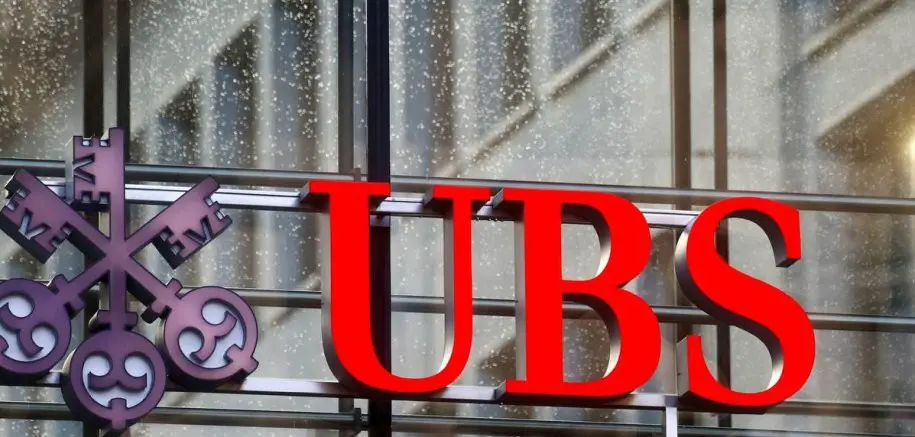
A long-simmering clash between Swiss politicians and the country’s biggest bank may be edging toward a truce.
Momentum is building in Bern around a softer approach to strengthening UBS Group’s capital base, one that would rely less on costly equity and more on flexible debt instruments.
Key Takeaways
The turning point comes from an unexpected place: Switzerland’s largest political force. The Swiss People’s Party (SVP), which holds roughly a third of seats in the lower house, has signaled support for a framework that would allow UBS to meet part of its future capital buffer using additional tier-one (AT1) bonds. That endorsement sharply improves the odds that lawmakers settle on a compromise rather than force the bank into a massive capital raise.
From Hard Line to Middle Ground
Until now, the government’s proposal pointed to a capital increase of around $26 billion, a direct response to UBS’s emergency takeover of Credit Suisse in 2023. The collapse of Credit Suisse triggered a regulatory rethink aimed at ensuring no institution could again threaten Switzerland’s financial stability.
UBS has pushed back hard, warning that such a requirement would make it less competitive against global peers. The AT1-based proposal changes the equation. Because AT1 bonds are cheaper than common equity, allowing their use for up to half of the additional buffer would significantly reduce the burden on the bank’s balance sheet.
Markets liked the idea immediately. When the proposal first surfaced late last year, UBS shares surged to levels not seen in nearly two decades. The SVP’s backing now adds political weight to what had previously been just a parliamentary concept.
Support Grows, Uncertainty Remains
The SVP’s position will be formally submitted as part of Switzerland’s consultation process, where parties and stakeholders weigh in on draft legislation. While not every lawmaker is obliged to follow the party line, its support makes it increasingly difficult for the government to ignore the compromise.
At the same time, the debate remains far from settled. Alongside backing the AT1 route, the SVP has also called for a formal assessment of whether UBS should eventually be broken up, including a potential sale of its US operations. That idea has been championed in the past by influential party figures, and its return underscores how deep concerns about UBS’s size still run.
What Comes Next for UBS
The finance ministry will now compile feedback from the consultation and advise the government on whether to amend its draft rules. A revised proposal is expected to go before parliament in the first half of the year. Even then, the process is not airtight: Swiss law allows for challenges via referendum.
For UBS, however, the direction of travel matters. Growing political acceptance of AT1 bonds as part of the solution suggests the final outcome could be far less punitive than originally feared. If that path holds, UBS may be able to move beyond the Credit Suisse fallout without a dilutive equity raise, closing a contentious chapter in Swiss banking policy.