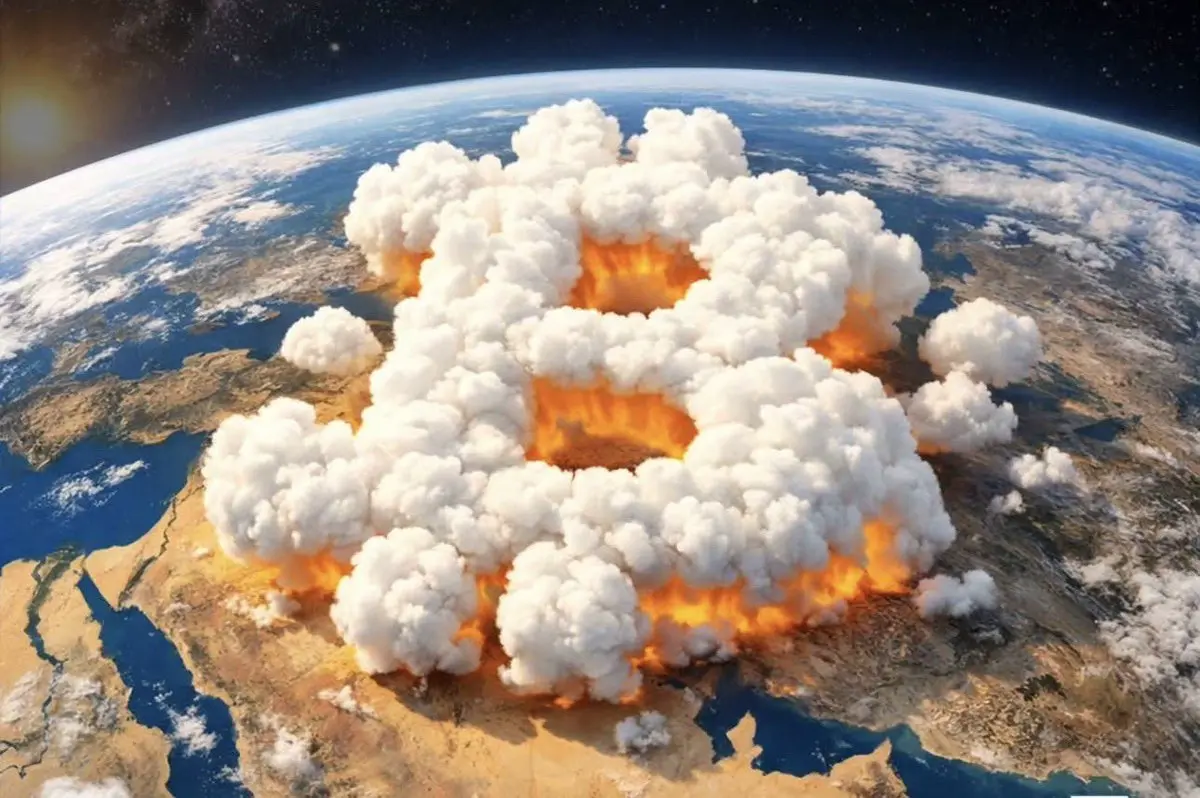
Financial markets are reeling from news from Japan that speaks volumes beyond a mere number: Japan's 10-year bond yield has surpassed 2.38% for the first time since 1999, reaching its highest level in 25 years. This is not just a technical statistic; it's an announcement that an era has ended in Japan, the bastion of ultra-loose monetary policy, and that the "cheap money" period, which has dominoed global markets, is officially over. So, how will this financial earthquake in Tokyo affect the rest of the world?
Three Critical Channels That Could Trigger a Domino Effect
Three key dynamics underlie the potential for this development to trigger a global "tsunami":
The End of the "Yen Carry Trade":
For years, global investors borrowed Japanese Yen at virtually zero cost and invested this money in higher-yielding assets such as US Treasury bonds, stocks, or emerging markets. This massive "carry trade" position provided a constant supply of liquidity to the markets. However, with interest rates rising in Japan, the cost of borrowing in Yen is increasing. This could lead to the rapid unwinding of these billions of dollars worth of positions. Investors may be forced to sell their global assets (stocks, bonds) to pay off their Yen debts. This would mean unexpected selling pressure across all markets.
The "Homecoming" of Japanese Giant Investors:
Japan's massive pension funds and insurance companies are the world's largest buyers of US and European bonds. For years, they parked their money abroad because of near-zero yields in their own country. Now, they have the opportunity to earn a risk-free return of 2.38% (quite attractive for them) in their own country. This triggers a scenario where Japanese investors sell billions of dollars worth of bonds abroad and "bring the money home." The result? Further increases in US and European bond yields (because a large buyer turns into a seller) and rising global borrowing costs.
The Final Signal for Global Interest Rate Policies:
The Bank of Japan (BoJ) was the last major central bank to abandon negative interest rate policy. Even they having to take this step is the strongest confirmation of how persistent and persistent global inflationary pressure is. This development also explains why institutions like the Fed and the European Central Bank are so cautious and slow about interest rate cuts. The era of "cheap and abundant money" has officially and globally come to an end.
New Game, New Rules
This news from Japan is not just an interest rate hike, but the dismantling of one of the fundamental pillars that have supported the global financial architecture for the last 20 years.
What Awaits the Markets? Increased volatility, a strengthening Japanese Yen, and higher borrowing costs globally. Access to finance may become even more difficult, especially for emerging markets.
What Does This Mean for Investors? A decrease in risk appetite and a strengthening of the search for safe havens are likely. The "everything is rising" era for asset prices is over.
In short, Japan's interest rate normalization is not just a headline for global markets, but a game-changer that will fundamentally alter investment strategies and risk perceptions for the coming period. We are already beginning to feel the first waves of this "silent tsunami".
#CreatorLeaderboard #CryptoMarketPullback 




























 :
: