O que é o LPN Network Token?
O LPN Network Token, identificado como LPNT (Luxurious Pro Network Token), é um token ERC-20 lançado na Ethereum. O padrão ERC-20, amplamente utilizado na Ethereum, estabelece regras universais para transferências e autorizações, garantindo compatibilidade total com carteiras e plataformas de negociação. O LPNT conta com fornecimento total fixo de 80 milhões de tokens. Seus principais usos incluem pagamentos, incentivos e direitos de titulares, conforme definido em comunicados oficiais do projeto.
Para utilizar LPNT, basta enviar e receber ativos por meio de endereços Ethereum, pagando as taxas de gas correspondentes. Essas taxas representam os custos de transação e execução na blockchain e são liquidadas em ETH. Como tokens com nomes idênticos podem existir em diferentes blockchains, sempre consulte o endereço de contrato oficial no site do projeto antes de realizar qualquer transferência.
Quais são o preço atual, valor de mercado e circulação do LPNT?
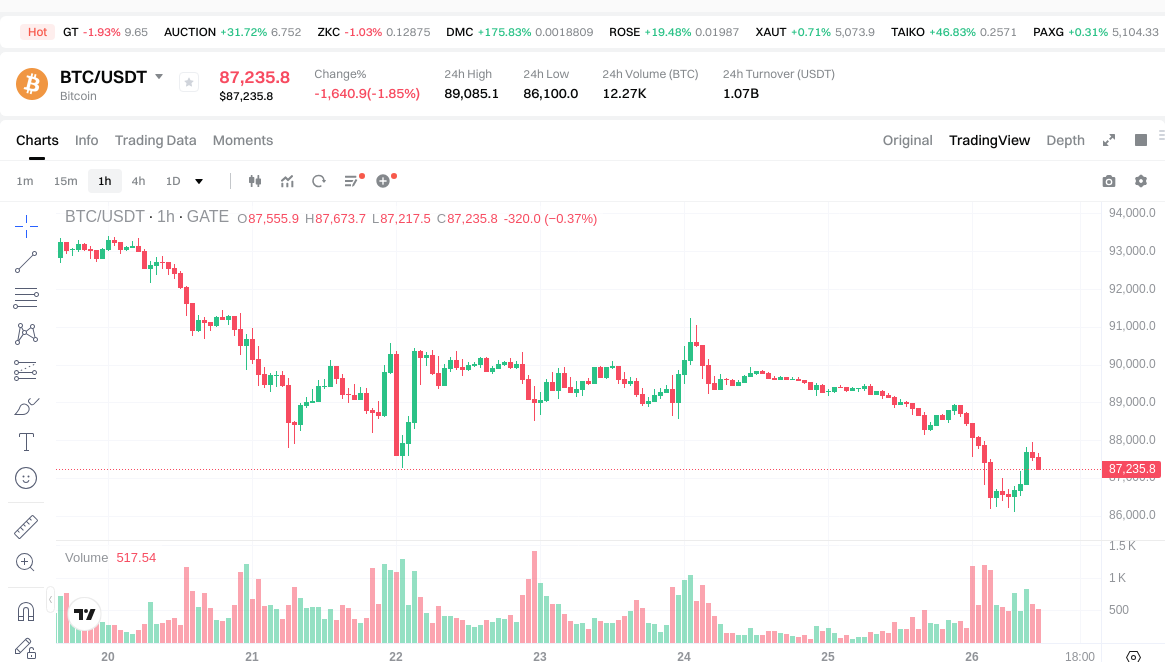
Na última atualização (26 de janeiro de 2026 às 03:48 UTC), o preço do LPNT era de aproximadamente US$ 0,002981. A variação de preço em 1 hora foi de -0,1533%, em 24 horas de 10,0899%, em 7 dias de 2,5235% e em 30 dias de -25,5115%.
Veja o preço do LPNT USDT
Sobre a oferta, tanto o fornecimento máximo quanto o total são de 80.000.000 LPNT. O fornecimento circulante não é divulgado publicamente, por isso o valor de mercado circulante não pode ser calculado; considerando o fornecimento máximo, o valor de mercado totalmente diluído é estimado em US$ 238.466,23. O volume de negociação em 24 horas está em torno de US$ 1,00, indicando atividade extremamente restrita e possível slippage elevado.
Veja o preço do LPNT USDT
Slippage é a diferença entre o preço esperado e o executado em uma negociação, mais acentuada quando a liquidez é baixa. Atualmente, há 5 pares de negociação ativos.
Todos os dados apresentados são instantâneos e podem variar rapidamente conforme o mercado.
Quem criou o LPN Network Token (LPNT) e quando?
O LPNT foi lançado em 15 de dezembro de 2020, inicialmente na rede Ethereum. O site oficial é https://www.lpntoken.io/. As tags do projeto indicam atuação tanto nos ecossistemas Ethereum quanto BNB Chain; se houver versões multi-chain, cada rede possui contrato próprio. Para sua segurança, utilize sempre os endereços de contrato divulgados oficialmente para evitar cópias fraudulentas.
Para informações sobre equipe, alocação de tokens e cronogramas de vesting, consulte comunicados e relatórios de auditoria oficiais. Mantenha-se atualizado acompanhando as comunicações do projeto.
Como funciona o LPN Network Token (LPNT)?
O LPNT segue o padrão ERC-20, com contratos inteligentes responsáveis pela gestão de saldos e lógica de transferências. Os usuários armazenam LPNT em carteiras compatíveis com Ethereum e podem definir autorizações para que aplicativos realizem transferências dentro de limites ajustáveis ou revogáveis a qualquer momento.
O fornecimento total é fixo em 80 milhões de tokens, sem emissões adicionais. Todas as transações exigem taxas de gas pagas em ETH. Para operações cross-chain no ecossistema, bridges permitem mapear tokens entre redes; no entanto, bridges adicionam complexidade contratual e riscos. Sempre confirme as rotas e taxas oficiais antes de realizar operações cross-chain.
O que é possível fazer com LPNT?
No ecossistema, o LPNT pode ser usado como meio de pagamento, ferramenta de incentivo ou como token utilitário para funções de associação e direitos. Se houver módulos de governança em aplicações, o LPNT pode servir para votação ou definição de parâmetros — consulte a documentação oficial para detalhes.
No mercado secundário, LPNT pode ser mantido ou negociado. Como liquidez e volume influenciam a eficiência das execuções e o slippage, operações de maior porte podem demandar divisão de ordens ou análise prévia do livro de ofertas e dos custos envolvidos.
Carteiras e extensões compatíveis com LPNT
Qualquer carteira que suporte o padrão ERC-20 pode gerenciar LPNT — incluindo carteiras mobile, extensões de navegador e carteiras hardware. Carteiras hardware armazenam chaves privadas offline (cold storage), reduzindo riscos de ataques remotos.
Para gestão de ativos, exploradores de blockchain permitem consultar contratos de tokens e saldos de contas; são ferramentas públicas para visualização de dados on-chain. Para uso cross-chain, confira os contratos oficiais de bridges e as redes de destino para evitar o envio de tokens para cadeias incompatíveis — tais erros podem tornar os ativos irrecuperáveis.
Principais riscos e aspectos regulatórios do LPNT
Risco de divulgação: Não há informações públicas sobre fornecimento circulante ou valor de mercado; o volume de negociação em 24 horas é extremamente baixo, o que pode dificultar a execução de ordens ou gerar desvios de preço relevantes.
Risco contratual e de falsificação: Tokens com nomes iguais podem ter contratos diferentes; sempre confira o endereço de contrato oficial. Defina autorizações mínimas ao conceder acesso e revogue permissões desnecessárias regularmente.
Risco cross-chain e de bridges: Contratos cross-chain são mais complexos e suscetíveis a falhas ou restrições de liquidez — utilize apenas bridges oficiais e teste com valores pequenos.
Risco regulatório e de custódia: As normas para criptoativos variam conforme a jurisdição; siga a legislação local. Se os ativos estiverem sob custódia de plataformas, revise cuidadosamente as políticas e medidas de segurança.
Risco de chave privada e mnemônico: Uma chave privada garante a posse dos ativos; o mnemônico é um backup legível da chave privada. O vazamento de qualquer um deles leva à perda definitiva do controle sobre os ativos.
Como comprar e armazenar o Luxurious Pro Network Token (LPNT) com segurança na Gate
Etapa 1: Cadastre-se e faça login na sua conta gate.com. Realize a verificação KYC e ative medidas de segurança como autenticação em dois fatores e códigos anti-phishing.
Etapa 2: Deposite fundos. Adquira USDT ou ETH por compra com moeda fiduciária ou depósito em cripto para realizar ordens ou pagar taxas de gas.
Etapa 3: Pesquise “LPNT” na seção de negociação spot da Gate. Se houver pares como LPNT/USDT, escolha entre ordens limitadas (defina o preço desejado) ou ordens a mercado (execução imediata, mas maior slippage se a liquidez for baixa).
Etapa 4: Gerencie seus ativos após a compra. Para custódia de curto prazo, mantenha os fundos na conta; para uso on-chain ou custódia própria de longo prazo, retire para uma carteira pessoal. Ao sacar, selecione a rede correta (Ethereum ERC-20) e teste com valor reduzido antes de transferências maiores.
Etapa 5: Se não houver pares de negociação LPNT na Gate, siga os passos alternativos: compre USDT ou ETH na Gate, retire para uma carteira própria; depois utilize uma exchange descentralizada (DEX) na Ethereum para trocar USDT ou ETH por LPNT. Sempre obtenha o endereço do contrato no site oficial antes de trocar; reserve ETH para taxas de gas, defina limites de autorização adequados e comece com pequenas transações de teste.
Para armazenamento seguro, utilize carteiras hardware ou backups mnemônicos offline; anote a frase mnemônica em mídia física e guarde em local seguro — nunca fotografe ou faça upload online. Revise periodicamente autorizações e configurações de segurança da carteira; fique atento a links de phishing.
Como o LPNT se diferencia da Ethereum?
Natureza do ativo: Ethereum (ETH) é o ativo nativo da sua blockchain, utilizado para taxas de gas e segurança da rede; LPNT é um token ERC-20 que opera sobre contratos inteligentes da Ethereum — não serve para pagamento de taxas de gas.
Mecanismo de oferta: ETH não possui limite fixo; seu fornecimento varia conforme as políticas de emissão e queima. O LPNT tem fornecimento total e máximo fixado em 80 milhões de tokens.
Casos de uso e riscos: ETH é amplamente utilizado para liquidação, garantia e como base para DeFi; LPNT é voltado principalmente para pagamentos ou utilidade dentro do seu ecossistema. Atualmente, o baixo volume de negociação do LPNT torna sua estabilidade de preço e execução de ordens mais suscetíveis a problemas de liquidez.
Experiência de negociação: ETH oferece alta liquidez em diversos pares; para LPNT, verifique os pares disponíveis e caminhos de swap on-chain — e sempre confira os endereços de contrato.
Resumo do LPN Network Token (LPNT)
O LPNT é um token ERC-20 na Ethereum, com oferta fixa de 80 milhões de unidades, projetado principalmente para pagamentos ou utilidade no ecossistema do projeto. Em 26 de janeiro de 2026, o preço do LPNT é baixo, com valor de mercado totalmente diluído restrito; o fornecimento circulante não é divulgado e o volume de negociação recente é extremamente baixo — ressaltando riscos de liquidez e slippage para investidores e traders. Se disponível na Gate, siga boas práticas: pesquise pares de negociação, utilize ordens limitadas, teste com valores pequenos; se não listado, considere comprar fundos na Gate → transferir para carteira própria → swap on-chain via contrato oficial, sempre cuidando das taxas de gas e autorizações. De modo geral, verificar endereços de contrato e informações antes de investir — e ajustar o tamanho da posição e ferramentas conforme sua tolerância a risco — é a abordagem mais segura.
Perguntas Frequentes
Qual a diferença entre tokens LP e LPNT?
Tokens LP são tokens genéricos de provedor de liquidez que representam sua participação em um pool de liquidez de determinado par. LPNT é o ticker do Luxurious Pro Network Token — um token de projeto específico. Em resumo: tokens LP são um conceito; LPNT é um token de projeto — pertencem a categorias distintas.
Quais as vantagens do LPNT em relação ao Pi Network?
O LPNT atua como token de governança e utilidade do ecossistema LPN, operando sobre infraestrutura blockchain consolidada. Pi Network é um projeto independente, com arquitetura, consenso e foco de ecossistema próprios. A escolha depende de sua prioridade entre arquitetura de rede e utilidade do ecossistema.
Quais benefícios reais os detentores podem esperar do LPNT?
Detentores de LPNT podem ter direito a participar de votações de governança, receber parte das taxas da plataforma ou recompensas de staking (conforme configuração do projeto). Como token utilitário, seu valor depende da demanda de uso e da saúde do ecossistema — acompanhe comunicados oficiais para novidades sobre benefícios.
Como iniciantes devem avaliar o risco de investir em LPNT?
Avalie o risco do LPNT analisando o histórico da equipe, auditorias, adoção prática, liquidez de mercado e outros fatores. Iniciantes devem começar com valores reduzidos, nunca investir mais do que podem perder e buscar conhecimento contínuo sobre o projeto. A Gate oferece informações detalhadas e divulgações de risco para referência.
Em quais exchanges é possível comprar LPNT?
Como token de ecossistema reconhecido, o LPNT pode ser listado em diversas exchanges — a Gate é uma das principais plataformas. Na Gate, é possível buscar diretamente pares de negociação LPNT, com suporte a diferentes métodos (spot, margem etc). Sempre utilize exchanges reguladas para evitar riscos de plataformas não licenciadas.
- Oferta de tokens: Total de tokens emitidos. O LPNT tem fornecimento total de 80 milhões de tokens — determinando sua escassez e potencial de valorização.
- Valor de mercado totalmente diluído: Valor de mercado calculado com base no fornecimento máximo — reflete o valor teórico se todos os tokens estivessem em circulação.
- Liquidez: Facilidade de negociação dos ativos no mercado. Com poucos pares disponíveis para LPNT, a liquidez é limitada.
- Volatilidade de preço: Flutuações nos preços do token em diferentes períodos. LPNT apresenta volatilidade significativa no curto prazo — o que representa riscos de investimento.
- Volume de negociação: Valor total negociado em determinado período. Baixo volume em 24 horas indica interesse e participação restritos no mercado.
- Atividade do token: Reflete as operações do projeto e o desenvolvimento do ecossistema. O LPNT segue ativo e com operações em andamento.