

Trade
Basic
Futures
Futures
Hundreds of contracts settled in USDT or BTC
TradFi
Gold
Trade global traditional assets with USDT in one place
Options
Hot
Trade European-style vanilla options
Unified Account
Maximize your capital efficiency
Demo Trading
Futures Kickoff
Get prepared for your futures trading
Futures Events
Participate in events to win generous rewards
Demo Trading
Use virtual funds to experience risk-free trading
Earn
Launch
CandyDrop
Collect candies to earn airdrops
Launchpool
Quick staking, earn potential new tokens
HODLer Airdrop
Hold GT and get massive airdrops for free
Launchpad
Be early to the next big token project
Alpha Points
Trade on-chain assets and enjoy airdrop rewards!
Futures Points
Earn futures points and claim airdrop rewards
Investment
Simple Earn
Earn interests with idle tokens
Auto-Invest
Auto-invest on a regular basis
Dual Investment
Buy low and sell high to take profits from price fluctuations
Soft Staking
Earn rewards with flexible staking
Crypto Loan
0 Fees
Pledge one crypto to borrow another
Lending Center
One-stop lending hub
VIP Wealth Hub
Customized wealth management empowers your assets growth
Private Wealth Management
Customized asset management to grow your digital assets
Quant Fund
Top asset management team helps you profit without hassle
Staking
Stake cryptos to earn in PoS products
Smart Leverage
New
No forced liquidation before maturity, worry-free leveraged gains
GUSD Minting
Use USDT/USDC to mint GUSD for treasury-level yields

More



The Rise of Meme NFTs: How Internet Culture Became Blockchain Assets
When internet memes entered the world of blockchain, something unexpected happened—collectors were willing to pay hundreds of thousands of dollars for digital ownership of jokes that had been free to share for years. The convergence of NFT technology and meme culture created a phenomenon that demonstrated how digital culture could hold real value, reshaping both the art world and online communities.
The pivot toward meme NFT happened almost overnight in early 2021. What started as curiosity became a cultural watershed moment when the pixelated Nyan Cat—a flying feline with a Pop-Tart body—sold for approximately 300 Ether (ETH) in February 2021. This transaction broke ground not just in terms of price, but in legitimacy; it showed that NFT technology could authenticate and monetize internet culture in unprecedented ways. Creators and artists who had spent years giving away their work suddenly had a path to substantial revenue.
Why Classic Memes Became NFT Gold Rush Targets
The success of Nyan Cat opened floodgates. Within months, other iconic meme NFT sales captured headlines and wallets alike. A photo of a young girl with a mischievous grin standing before a burning house—the “Disaster Girl” meme—fetched nearly 180 ETH in April 2021, proving that even niche meme formats had financial value on the blockchain. The Shiba Inu dog meme, commonly known as Doge, became a sensation when the original sold for 1,696.9 ETH in June 2021, cementing its place in cryptocurrency history.
The appeal extended beyond static images. Charlie Bit My Finger, a viral video from the mid-2000s featuring two British brothers, sold as an NFT for 389 ETH in May 2021. This proved that meme NFT wasn’t limited to photos—video memes, audio clips, and any shareable internet moment could be tokenized. The Keyboard Cat video followed, selling for over 33 ETH the same month, reinforcing the pattern that nostalgia and authenticity carried value.
Even the more esoteric entries commanded serious prices. A businessman’s chart labeled “Stonks” sold for $10,000 as an NFT in May 2021, demonstrating that specialized humor had fans willing to pay premium prices. The Grumpy Cat meme, featuring a feline’s perpetually displeased expression, sold for over 44.2 ETH. Harambe, the gorilla shot at a Cincinnati zoo in 2016 whose memory became internet folklore, sold for 30.3 ETH. Each sale added another chapter to the rapidly expanding meme NFT narrative.
The Market Moment: 2021 and Beyond
The phenomenon wasn’t without its controversies. Pepe the Frog, originally an innocent cartoon character but later co-opted by certain online movements, sold for $1 million as an NFT in May 2021. The sale sparked debate about whether all meme NFT deserved equal treatment, raising questions about ownership, responsibility, and the ethics of monetizing digital culture. Still, it underscored a truth: meme NFT had become a legitimate market category.
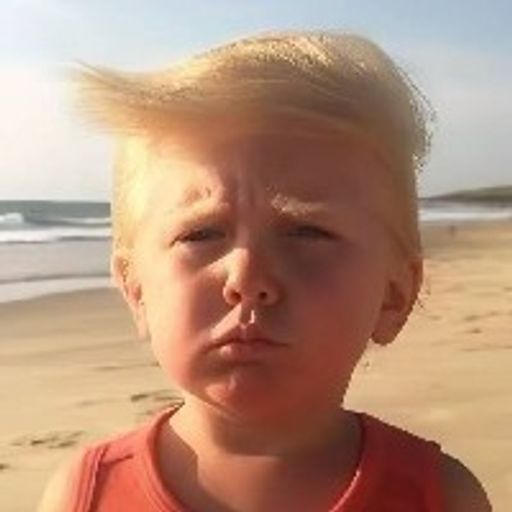
Throughout 2021, the pattern continued. Bad Luck Brian (mistakenly labeled in some circles as “Good Luck Brian”) sold for 20 ETH in April. Success Kid, the meme of a determined young boy with a clenched fist symbolizing accomplishment, moved for 15 ETH. Each sale added data points to an emerging thesis: people valued meme NFT not just as investments, but as cultural artifacts and expressions of community identity.
What Meme NFTs Reveal About Digital Culture and Value
These meme NFT transactions exposed something profound about how communities assign value. The emotional connection people held for these memes—some spanning over a decade of internet history—translated into real financial transactions. A collector wasn’t just buying an image; they were acquiring a piece of shared cultural memory and the right to hold what their community cherished.
The rise of meme NFT also democratized digital art. Unlike traditional fine art requiring gallery connections or institutional validation, meme NFT allowed original creators to directly monetize their work. Internet culture, once dismissed as disposable entertainment, suddenly had market legitimacy and generating revenue streams that previously seemed impossible for anonymous internet creators.
However, the evolution of meme NFT also reflected the broader tensions in the NFT space itself. Some viewed these digital assets as speculative bubbles prone to collapse, while others celebrated them as revolutionary opportunities for artists and meme creators. What remained undeniable was that meme NFT had permanently altered how the world perceived the intersection of blockchain technology, art, and internet culture—transforming jokes into assets and proving that in the digital economy, authenticity and community connection held tangible worth.