Understanding Nodes: Key Components of Blockchain Technology
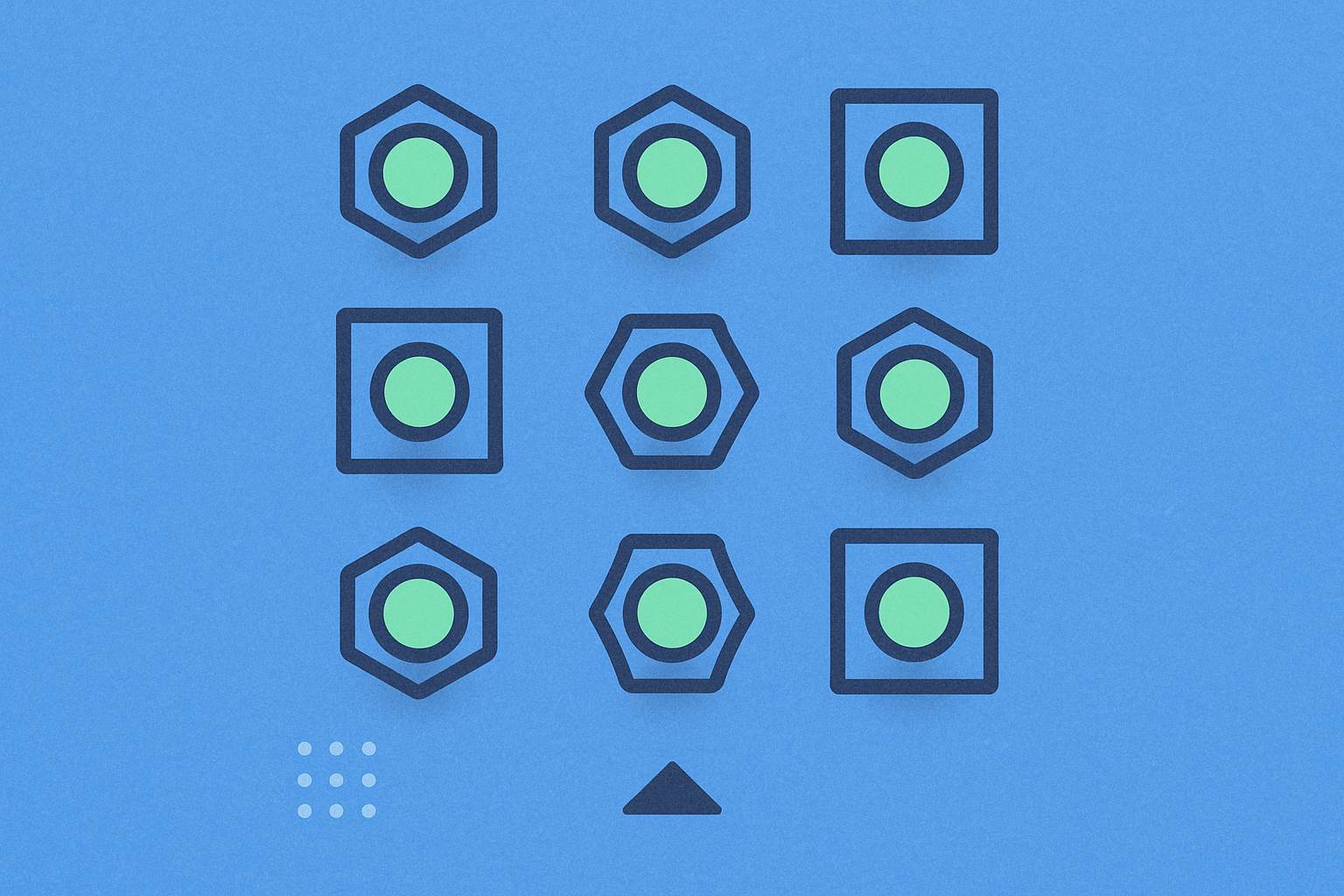
What is a blockchain node: the technology powering decentralized networks
Blockchain nodes are fundamental components that enable decentralized networks to function securely and efficiently. These technological building blocks validate transactions, maintain copies of the blockchain ledger, and ensure the network operates without centralized control. Understanding what nodes in blockchain are is essential for anyone seeking to comprehend how decentralized systems work and why they are revolutionizing digital transactions and data management.
What is a blockchain node?
A blockchain node serves as a critical connection point within a decentralized network, functioning as both a data repository and a validation mechanism. Each node acts independently while contributing to the collective security and integrity of the entire blockchain ecosystem.
Nodes perform several essential functions that maintain network health. Transaction validation is perhaps their most critical role, where nodes verify the authenticity of each transaction by confirming the sender possesses sufficient funds and adheres to network protocols. This validation process effectively prevents fraudulent activities such as double-spending, where the same cryptocurrency units could theoretically be spent multiple times.
Maintaining the blockchain is another fundamental responsibility. Each node stores a complete copy of the blockchain ledger, creating a comprehensive record of every transaction processed since the network's inception. This redundancy ensures data integrity and constant availability, as the information exists across numerous independent locations rather than a single centralized server.
The security and decentralization aspects of nodes in blockchain cannot be overstated. By distributing blockchain copies across thousands of nodes worldwide, the network becomes inherently resistant to attacks, censorship, and single points of failure. No individual entity can control or manipulate the blockchain, which aligns perfectly with decentralization principles.
Trust distribution represents a paradigm shift from traditional systems. Rather than placing trust in a central authority, blockchain networks distribute trust across all participating nodes. This structure enhances both security and resilience, allowing the network to continue functioning even when some nodes fail or behave maliciously. Consensus mechanisms ensure all nodes agree on the blockchain's current state, maintaining consistency and trustworthiness throughout the system.
How does a node work?
The operational workflow of blockchain nodes involves several interconnected processes that work together to maintain network integrity and functionality.
When users initiate transactions, these are immediately broadcast to the network where nodes receive and temporarily store them in a pending transaction pool, commonly referred to as the "mempool." This temporary storage acts as a waiting room for transactions before they are permanently recorded on the blockchain.
Transaction validation follows a rigorous process. Nodes examine each transaction's signature authenticity to ensure it was signed by the rightful owner of the funds. They verify sufficient funds exist in the sender's account to complete the transaction and check for double-spending prevention by confirming the same funds haven't been spent elsewhere. This multi-layered validation process ensures only legitimate transactions proceed further.
Once validated, nodes broadcast transactions to their peers throughout the network. This broadcasting mechanism ensures the entire network becomes aware of new transactions, allowing them to be recorded consistently across all nodes. Only valid transactions are propagated, protecting the network's overall integrity.
Consensus mechanisms enable nodes to reach mutual agreement on the blockchain's status. In Proof of Work systems like Bitcoin, miner nodes compete to solve complex cryptographic puzzles, with the first successful solver adding a new block and receiving rewards. Proof of Stake systems, such as modern Ethereum, select validators based on the amount of cryptocurrency they stake as collateral, providing a more energy-efficient alternative.
After block validation, nodes add new blocks to their blockchain copies, updating their records to reflect the latest transactions. This continuous updating process maintains network consistency and ensures all nodes possess current, accurate information.
What are the different kinds of nodes?
Understanding what nodes in blockchain are requires examining the various node types, each serving distinct purposes and contributing unique capabilities to network functionality.
Full nodes represent the most comprehensive node type, storing the entire blockchain ledger from the network's inception to the present. These nodes validate all transactions and blocks according to consensus rules, sharing data with other nodes to maintain decentralization. By maintaining complete blockchain copies, full nodes significantly enhance network security and trustworthiness, serving as authoritative sources of blockchain data.
Light nodes, also called Simplified Payment Verification (SPV) nodes, take a more streamlined approach by storing only essential data such as block headers rather than complete blockchain history. These nodes rely on full nodes for transaction verification, making them ideal for resource-constrained environments like mobile wallets and applications. Light nodes democratize blockchain access by enabling participation without extensive storage requirements.
Masternodes function as specialized full nodes offering additional capabilities beyond standard transaction validation. They often handle advanced tasks such as instant transactions, governance participation, and enhanced privacy features. Unlike mining nodes, masternodes don't create new blocks but instead provide valuable services that improve network efficiency and enable community-driven decision-making processes.
Mining nodes, or miners, utilize computational power to solve complex cryptographic puzzles through Proof of Work processes. Upon successfully solving these puzzles, miners add new blocks to the blockchain and receive cryptocurrency rewards. This process simultaneously secures the network and confirms transactions, making mining nodes essential for block creation and maintaining blockchain integrity.
staking nodes operate within Proof of Stake systems, validating new blocks by locking cryptocurrency as collateral. These nodes are selected to propose and validate blocks based on their staked amount, creating incentives for honest behavior since malicious actions could result in stake loss. Staking nodes provide energy-efficient validation while enhancing network security by aligning validator interests with overall network health.
Why are blockchain nodes important for decentralization?
Blockchain nodes serve as the cornerstone of decentralization, fundamentally changing how networks distribute power and maintain security. Understanding what nodes in blockchain are helps explain why decentralization works effectively.
Power distribution across the network occurs because each node maintains a complete blockchain copy, preventing any single entity from controlling the data. This distribution eliminates central failure points and promotes transparency throughout the system. Nodes collectively validate transactions and blocks, reaching consensus on the network's state through shared responsibility rather than centralized authority.
Network security improves dramatically as node numbers increase. Bitcoin's extensive node network, for example, makes the system highly resistant to attacks since compromising a majority of nodes becomes practically impossible. Data replication across numerous nodes enables the network to withstand individual node failures or attacks without compromising overall integrity.
Preventing centralized control remains a primary function of distributed nodes. Each node independently validates transactions, preventing single entities from gaining undue influence over the network. No central body can censor or alter transactions, ensuring the network remains open, neutral, and resistant to manipulation or control by powerful interests.
How can you set up a blockchain node?
Setting up a blockchain node involves several steps that require careful planning and appropriate resources. Understanding what nodes in blockchain are and how to operate them empowers participants to contribute to network decentralization.
Choosing the blockchain network represents the first critical decision. Bitcoin nodes prioritize decentralization and privacy, while Ethereum nodes enable participation in staking and decentralized applications. Each network has unique characteristics that should align with your goals and capabilities.
Hardware requirements vary by network but generally demand substantial resources. Bitcoin nodes require at least 800 GB storage, minimum 2 GB RAM, and reliable broadband internet with unlimited data. Ethereum nodes need approximately 1.2 TB storage, 8-16 GB RAM, and high-speed, stable connections with consistent uptime. These requirements ensure your node can effectively process and store blockchain data.
Software installation differs by network. Bitcoin nodes typically use Bitcoin Core software, which begins downloading the blockchain upon configuration—a process that can take considerable time depending on your connection speed. Ethereum nodes employ clients like Geth or Nethermind, requiring initial synchronization that is also time-intensive but necessary for full network participation.
Maintaining and updating nodes requires ongoing commitment. Keeping your node running continuously helps process transactions and support the network. Regular software updates ensure compatibility with network changes and security improvements, protecting both your node and the broader network.
Rewards and motivations vary significantly. Bitcoin nodes receive no direct financial rewards but contribute to network security and provide improved privacy benefits. Ethereum validators who stake 32 ETH can earn blockchain rewards for securing the network, creating financial incentives for participation.
What are the challenges of running a blockchain node?
Operating a blockchain node presents several challenges that potential node operators should carefully consider when learning what nodes in blockchain are and how they function.
High storage requirements pose significant obstacles. Full nodes must store complete blockchain ledgers, with Bitcoin exceeding 800 GB and Ethereum surpassing 1.2 TB as blockchain data continues growing. This demands substantial disk space, ideally on solid-state drives for optimal performance. Pruned nodes offer alternatives by retaining only recent blockchain data, reducing storage needs to approximately 7 GB, though with some functionality limitations.
Bandwidth consumption represents an ongoing concern. Nodes must continuously download and upload data for network synchronization, with Bitcoin nodes requiring substantial daily data transfer in both directions. Stable, high-speed internet connections are essential to handle this data flow without interruptions that could compromise node effectiveness.
Energy consumption varies by node type but remains significant. Mining nodes in Proof of Work systems require substantial computational power, leading to high energy usage that increases electricity costs and raises environmental concerns. Non-mining nodes consume less energy but still need continuous operation, contributing to ongoing electricity usage that accumulates over time.
Technical expertise requirements can be substantial. Setup and configuration demand solid understanding of blockchain software and network protocols. Regular maintenance, updates, and troubleshooting require ongoing attention and technical knowledge to keep nodes operational and secure.
Hardware costs include both initial investments and potential upgrades. Purchasing necessary hardware such as high-capacity storage devices and reliable servers can be expensive. As blockchains grow, hardware may need upgrades to handle increased storage and processing demands, representing additional costs over time.
Security considerations demand constant vigilance. Running nodes exposes systems to potential cyber threats, making robust security measures crucial for protection against attacks. Ensuring data integrity remains vital for network health, requiring careful monitoring and maintenance to prevent corruption or manipulation.
Conclusion
Understanding what nodes in blockchain are reveals the foundation of decentralized networks, embodying principles of security, transparency, and distributed trust. These technological components perform essential functions that enable blockchain networks to operate without centralized control, from validating individual transactions to maintaining tamper-resistant ledgers accessible to all participants.
Comprehending what nodes in blockchain are provides crucial insights into how decentralized technology functions and why it offers revolutionary potential for digital transactions and data management. Whether you plan to operate a node yourself or simply wish to understand their role in blockchain ecosystems, recognizing their importance helps illuminate the fundamental mechanisms that make decentralized networks robust, reliable, and resistant to manipulation.
The challenges of running nodes—including storage requirements, bandwidth consumption, and technical expertise—are balanced by the significant contributions they make to network security and decentralization. As blockchain technology continues evolving, understanding what nodes in blockchain are and their central role in maintaining the integrity and trustworthiness of these systems remains essential for anyone participating in or studying decentralized networks. Nodes will continue serving as the backbone that makes blockchain systems valuable alternatives to traditional centralized architectures.
FAQ
What are nodes and how do they work?
Nodes are computers that validate and record transactions in a blockchain network. They maintain a copy of the entire blockchain, ensuring security and consensus by independently verifying transactions and blocks.
How many blockchain nodes are there?
As of 2025, there are approximately 20,000 public Bitcoin nodes. This number varies constantly as new nodes join and others go offline. Other major blockchains also have thousands of nodes each.
What is the purpose of a node?
A node in blockchain serves to validate transactions, store and distribute the blockchain data, and maintain network consensus. It acts as a crucial element in ensuring the decentralized and secure nature of blockchain networks.
What is the difference between a node and a miner?
Nodes store and validate blockchain data, while miners also solve complex problems to add new transactions.
Share
Content
How to Buy Cryptocurrency


Trending Cryptocurrencies



XZXX: A Comprehensive Guide to the BRC-20 Meme Token in 2025

Bitcoin Fear and Greed Index: Market Sentiment Analysis for 2025

Top Crypto ETFs to Watch in 2025: Navigating the Digital Asset Boom

5 ways to get Bitcoin for free in 2025: Newbie Guide

Bitcoin Market Cap in 2025: Analysis and Trends for Investors
2025 Bitcoin Price Prediction: Trump's Tariffs' Impact on BTC
Is Beam (BEAMX) a good investment?: A Comprehensive Analysis of Its Market Potential, Technology, and Risk Factors for 2024
AMP vs LTC: A Comprehensive Comparison of Two Alternative Cryptocurrencies and Their Investment Potential

FORM vs ARB: A Comprehensive Comparison of Two Powerful Financial Analysis Tools
Is DeXe (DEXE) a good investment?: A Comprehensive Analysis of Tokenomics, Market Potential, and Risk Factors for 2024

Is Convex Finance (CVX) a good investment?: A Comprehensive Analysis of Risks, Returns, and Market Potential in 2024