
WHEN GEOPOLITICS SHAKES EVERY MARKET ON EARTH
THE BLOCKADE THAT CHANGED EVERYTHING
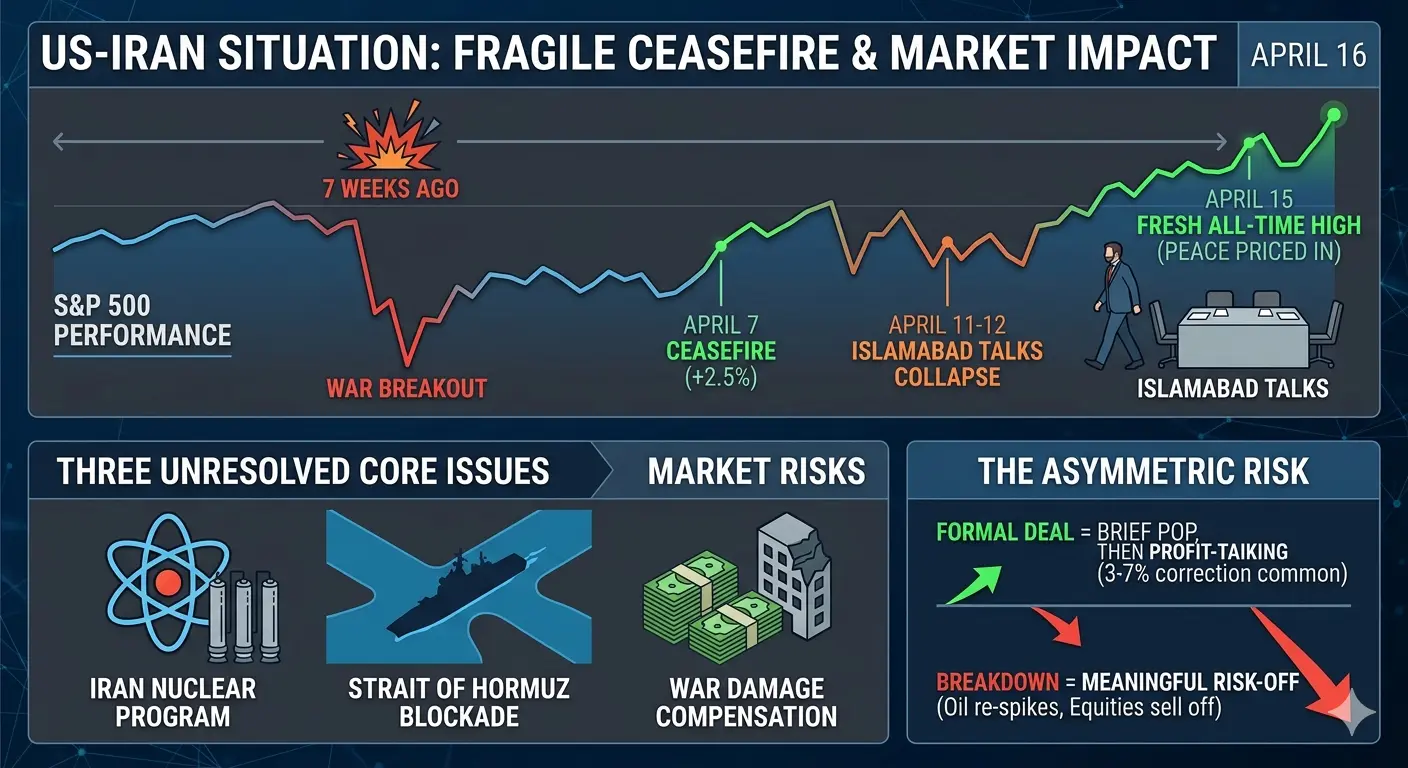
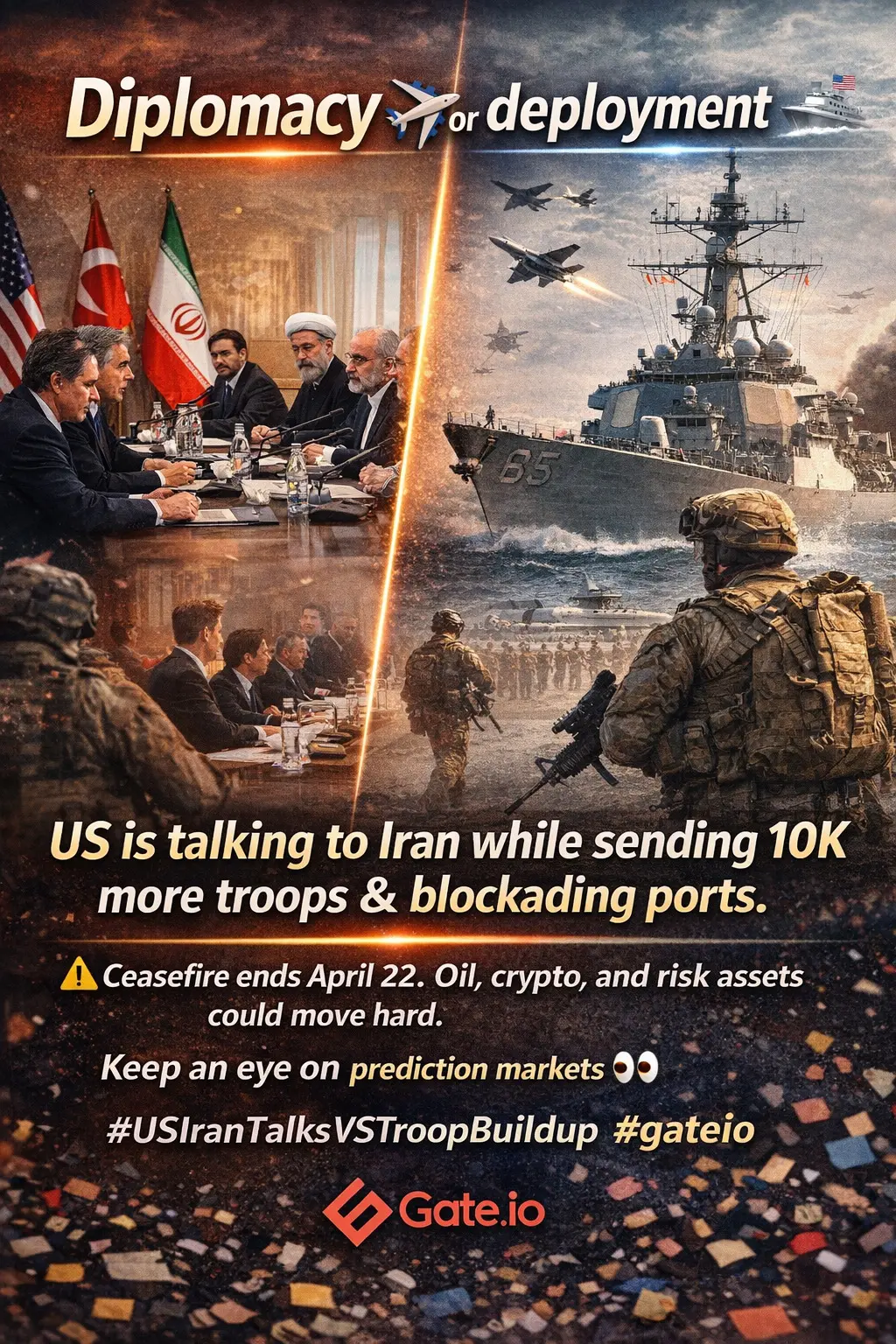
On April 13, 2026, the United States military officially activated a naval blockade of the Strait of Hormuz one of the most consequential geopolitical events in modern history. President Donald Trump ordered U.S. Central Command (CENTCOM) to prevent all vessels from accessing Iranian ports through this narrow but critical waterway, after ceasefire talks in Pakistan collapsed without any agreement. The blockade took effect at 10:00 AM ET, and within hours, global markets entered a state of high alert. This is not a distant conflict this is a supply shock being felt by every nation, every investor, and every trader on the planet right now.
WHY THE STRAIT OF HORMUZ MATTERS SO MUCH
The Strait of Hormuz is a 21-mile-wide chokepoint connecting the Persian Gulf to the Gulf of Oman. In normal times, approximately 20% of all global oil supply transits through this single passage daily. Iran had already been using the strait as leverage — charging crypto-based toll payments to passing vessels since mid-March 2026, an unprecedented act of a state deploying digital assets as a sovereign revenue mechanism. With the U.S. blockade now countering Iran's control, maritime traffic through the strait has dropped to near zero, triggering a supply shock that sent crude oil futures surging more than 8%, breaking above $104 per barrel. Energy markets, food supply chains, and shipping logistics across Asia, Europe, and the Americas are all directly affected.
THE CRYPTO MARKET RESPONSE BITCOIN AS DIGITAL SAFE HAVEN
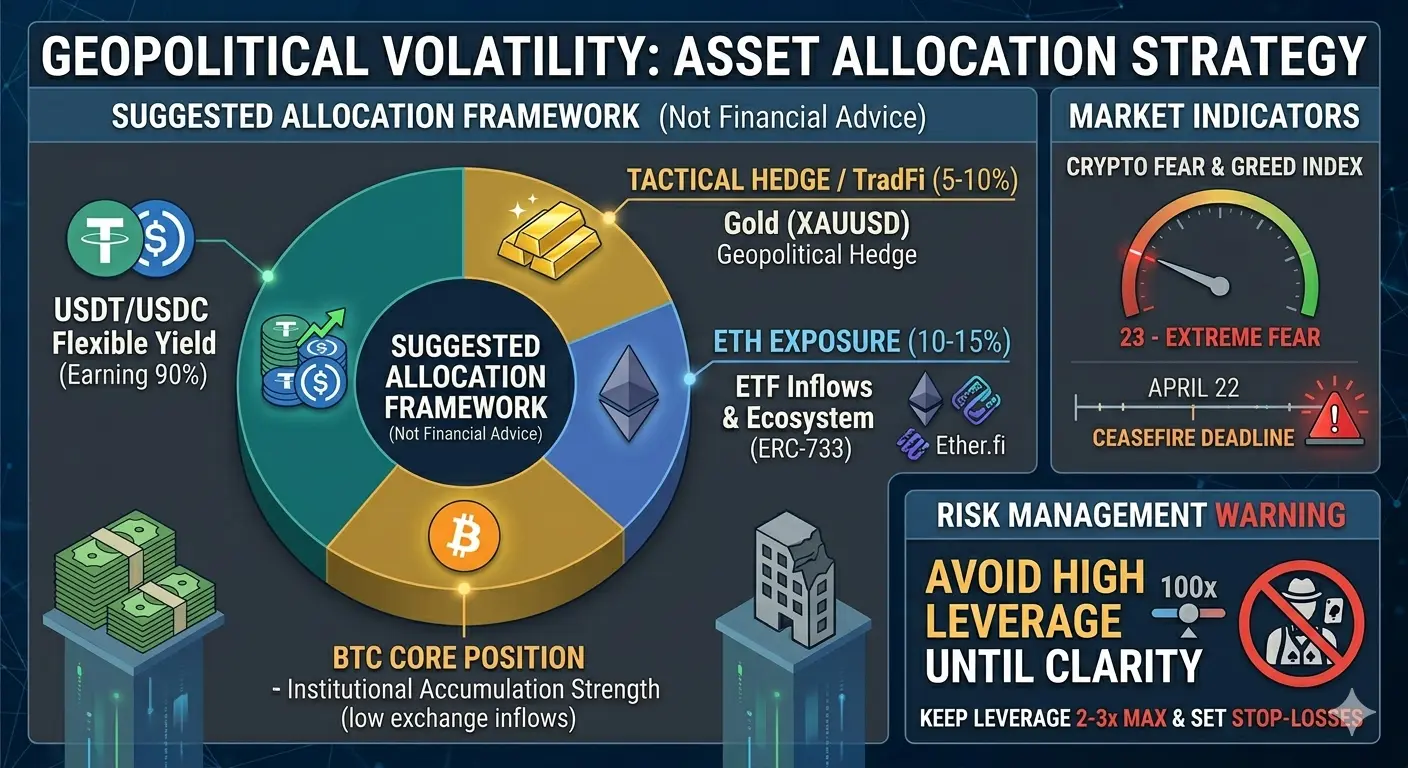
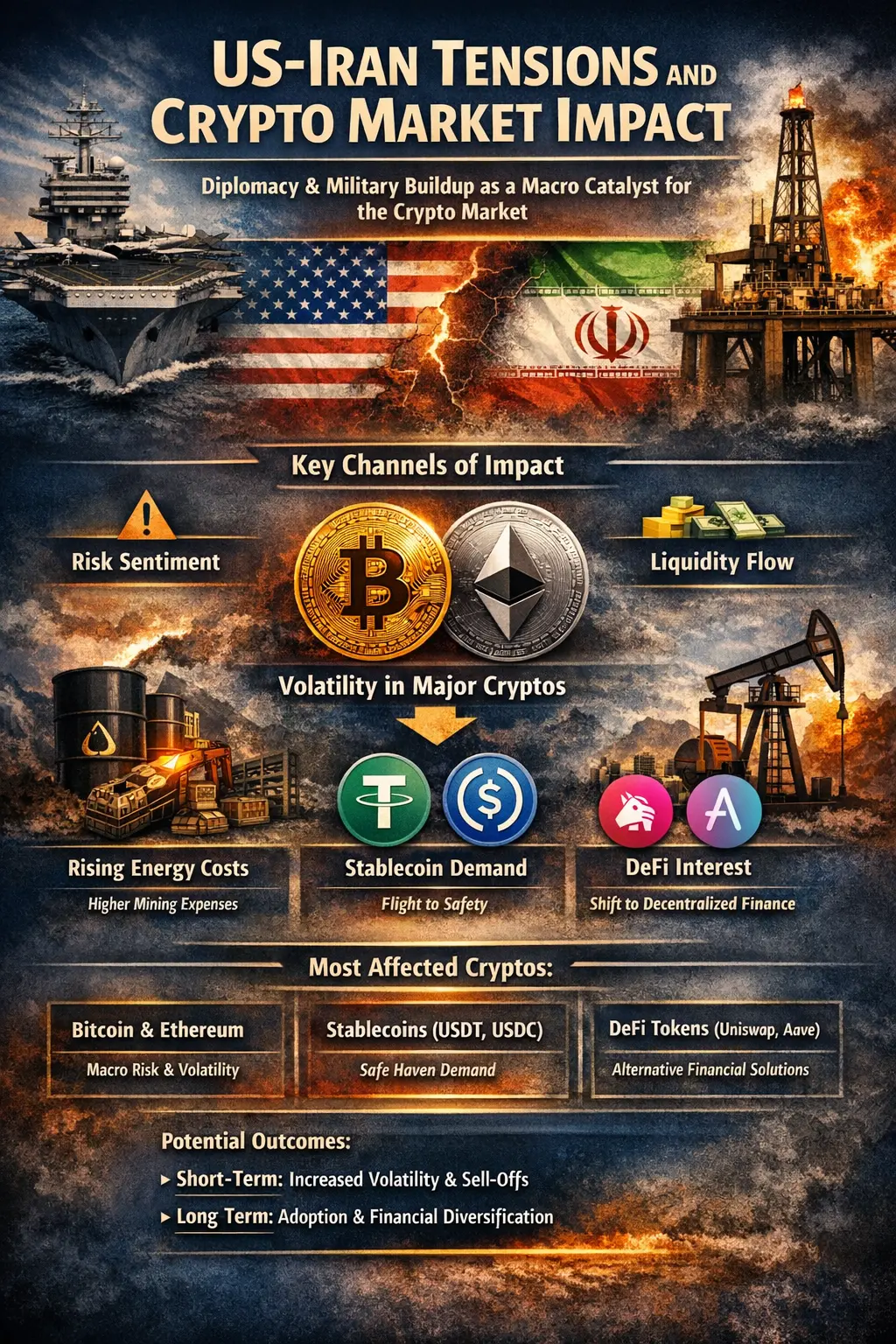
While traditional equity markets swung violently flipping between losses and gains multiple times on April 13 Bitcoin demonstrated resilience that caught the attention of mainstream financial analysts. BTC surged above $71,000 as the blockade news broke, confirming a narrative that has been building for years: during geopolitical instability, Bitcoin increasingly functions as a store of value and safe-haven alternative. Anthony Pompliano described Bitcoin as the "shining light" during the Iran conflict on CNBC. Even more striking, Iran's own use of cryptocurrency to collect Hormuz transit tolls a first in sovereign history illustrated that crypto cannot be sanctioned out of existence. Digital assets are now instruments of geopolitical strategy.
THE BROADER ECONOMIC CONSEQUENCES BEING WATCHED GLOBALLY
The ripple effects of this blockade extend far beyond oil prices. Higher crude prices push inflation upward globally, delaying any expectations of monetary easing from central banks. Bond yields rose, the U.S. dollar strengthened, and global risk sentiment turned cautious. Standard Chartered analysts noted that higher oil prices directly increase inflationary pressure, keeping monetary policy tight. Meanwhile, Iran vowed retaliation against any military vessels in the strait, adding a layer of military escalation risk that markets must price in daily. A U.S.-sanctioned tanker linked to China tested the blockade by transiting the strait on April 14, signaling that enforcement will be complex and contested. Further diplomatic talks are reportedly being planned but until a deal is reached, $70,000 remains a key support level for Bitcoin and global volatility remains elevated. For crypto traders, this is not just news this is the macro environment shaping every price move right now.
THE INTERSECTION OF CRYPTO, ENERGY, AND SOVEREIGNTY
What makes the #USBlocksStraitofHormuz moment historically unique is how deeply it has embedded cryptocurrency into global geopolitical affairs. Iran used crypto as its toll infrastructure. Crypto ETP inflows hit their best levels of2026, with Bitcoin accounting for 83% of all year-to-date inflows at $1.9 billion. Bitcoin mining operations confirmed they remain insulated from oil price spikes. And as global investors sought alternatives to an unstable petrodollar system, crypto assets led by Bitcoin captured genuine safe-haven demand. The world is watching a live demonstration of why decentralized, borderless assets matter. The Strait of Hormuz has become, unexpectedly, one of crypto's most powerful proof-of-concept moments in2026. Stay informed. Trade wisely. Volatility is not the enemy ignorance is.
#CreatorCarvinal
#Gate13thAnniversary
#USBlocksStraitofHormuz
#GateSquareAprilPostingChallenge
Deadline: April 15th
Details: https://www.gate.com/announcements/article/50520
THE BLOCKADE THAT CHANGED EVERYTHING
On April 13, 2026, the United States military officially activated a naval blockade of the Strait of Hormuz one of the most consequential geopolitical events in modern history. President Donald Trump ordered U.S. Central Command (CENTCOM) to prevent all vessels from accessing Iranian ports through this narrow but critical waterway, after ceasefire talks in Pakistan collapsed without any agreement. The blockade took effect at 10:00 AM ET, and within hours, global markets entered a state of high alert. This is not a distant conflict this is a supply shock being felt by every nation, every investor, and every trader on the planet right now.
WHY THE STRAIT OF HORMUZ MATTERS SO MUCH
The Strait of Hormuz is a 21-mile-wide chokepoint connecting the Persian Gulf to the Gulf of Oman. In normal times, approximately 20% of all global oil supply transits through this single passage daily. Iran had already been using the strait as leverage — charging crypto-based toll payments to passing vessels since mid-March 2026, an unprecedented act of a state deploying digital assets as a sovereign revenue mechanism. With the U.S. blockade now countering Iran's control, maritime traffic through the strait has dropped to near zero, triggering a supply shock that sent crude oil futures surging more than 8%, breaking above $104 per barrel. Energy markets, food supply chains, and shipping logistics across Asia, Europe, and the Americas are all directly affected.
THE CRYPTO MARKET RESPONSE BITCOIN AS DIGITAL SAFE HAVEN
While traditional equity markets swung violently flipping between losses and gains multiple times on April 13 Bitcoin demonstrated resilience that caught the attention of mainstream financial analysts. BTC surged above $71,000 as the blockade news broke, confirming a narrative that has been building for years: during geopolitical instability, Bitcoin increasingly functions as a store of value and safe-haven alternative. Anthony Pompliano described Bitcoin as the "shining light" during the Iran conflict on CNBC. Even more striking, Iran's own use of cryptocurrency to collect Hormuz transit tolls a first in sovereign history illustrated that crypto cannot be sanctioned out of existence. Digital assets are now instruments of geopolitical strategy.
THE BROADER ECONOMIC CONSEQUENCES BEING WATCHED GLOBALLY
The ripple effects of this blockade extend far beyond oil prices. Higher crude prices push inflation upward globally, delaying any expectations of monetary easing from central banks. Bond yields rose, the U.S. dollar strengthened, and global risk sentiment turned cautious. Standard Chartered analysts noted that higher oil prices directly increase inflationary pressure, keeping monetary policy tight. Meanwhile, Iran vowed retaliation against any military vessels in the strait, adding a layer of military escalation risk that markets must price in daily. A U.S.-sanctioned tanker linked to China tested the blockade by transiting the strait on April 14, signaling that enforcement will be complex and contested. Further diplomatic talks are reportedly being planned but until a deal is reached, $70,000 remains a key support level for Bitcoin and global volatility remains elevated. For crypto traders, this is not just news this is the macro environment shaping every price move right now.
THE INTERSECTION OF CRYPTO, ENERGY, AND SOVEREIGNTY
What makes the #USBlocksStraitofHormuz moment historically unique is how deeply it has embedded cryptocurrency into global geopolitical affairs. Iran used crypto as its toll infrastructure. Crypto ETP inflows hit their best levels of2026, with Bitcoin accounting for 83% of all year-to-date inflows at $1.9 billion. Bitcoin mining operations confirmed they remain insulated from oil price spikes. And as global investors sought alternatives to an unstable petrodollar system, crypto assets led by Bitcoin captured genuine safe-haven demand. The world is watching a live demonstration of why decentralized, borderless assets matter. The Strait of Hormuz has become, unexpectedly, one of crypto's most powerful proof-of-concept moments in2026. Stay informed. Trade wisely. Volatility is not the enemy ignorance is.
#CreatorCarvinal
#Gate13thAnniversary
#USBlocksStraitofHormuz
#GateSquareAprilPostingChallenge
Deadline: April 15th
Details: https://www.gate.com/announcements/article/50520