

Trade
Basic
Futures
Futures
Hundreds of contracts settled in USDT or BTC
TradFi
Gold
Trade global traditional assets with USDT in one place
Options
Hot
Trade European-style vanilla options
Unified Account
Maximize your capital efficiency
Demo Trading
Futures Kickoff
Get prepared for your futures trading
Futures Events
Participate in events to win generous rewards
Demo Trading
Use virtual funds to experience risk-free trading
Earn
Launch
CandyDrop
Collect candies to earn airdrops
Launchpool
Quick staking, earn potential new tokens
HODLer Airdrop
Hold GT and get massive airdrops for free
Launchpad
Be early to the next big token project
Alpha Points
Trade on-chain assets and enjoy airdrop rewards!
Futures Points
Earn futures points and claim airdrop rewards
Investment
Simple Earn
Earn interests with idle tokens
Auto-Invest
Auto-invest on a regular basis
Dual Investment
Buy low and sell high to take profits from price fluctuations
Soft Staking
Earn rewards with flexible staking
Crypto Loan
0 Fees
Pledge one crypto to borrow another
Lending Center
One-stop lending hub
VIP Wealth Hub
Customized wealth management empowers your assets growth
Private Wealth Management
Customized asset management to grow your digital assets
Quant Fund
Top asset management team helps you profit without hassle
Staking
Stake cryptos to earn in PoS products
Smart Leverage
New
No forced liquidation before maturity, worry-free leveraged gains
GUSD Minting
Use USDT/USDC to mint GUSD for treasury-level yields

More






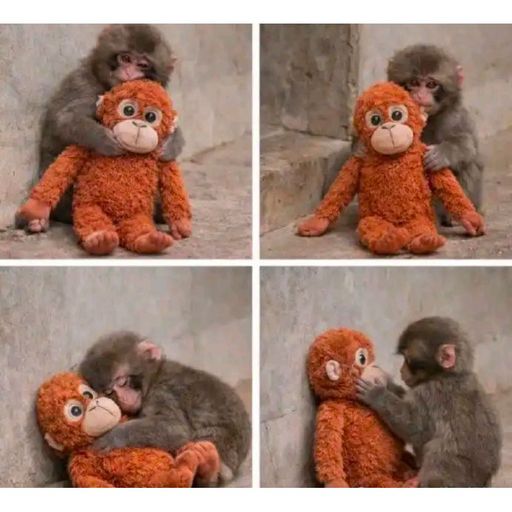
How hamsters buy and sell cryptocurrency: the psychology of market fear
There is a clear division among cryptocurrency market participants based on their psychological types. Hamsters are one of the most common trader types, and their behavior is often a topic of discussion. It’s important to understand that hamsters and holders are completely different categories of investors, although they are often confused.
Who are hamsters and what is their main characteristic
A hamster in the crypto sphere is an investor driven solely by fear. Their psychology operates on a simple and predictable pattern: when the market is rising, the hamster fears missing out on earning a big profit and making a mistake. This panic prompts them to rush with decisions, often buying assets at high prices after the main growth has already passed. When the market enters a correction phase, a second fear factor kicks in — the hamster begins to worry about losing all their accumulated funds and hastily sells their positions at significantly lower prices than they bought them.
Cyclical pattern: how hamsters fall into the trap
The outcome of such behavior is predictable and sad. Hamsters systematically repeat the same faulty cycle: they sell assets at low prices during market downturns when panic peaks, then reinvest at the highs when everything is almost achieved. This classic pattern of buying high and selling low guarantees losses. Such an investor will never maximize profits and always misses the best opportunities.
Holders: opposite psychology and strategy
In contrast to hamsters are holders — a rare micropercentage of market participants who entered cryptocurrencies with a completely different goal. Holders are not afraid of dips because they understand their temporary nature. Moreover, during corrections and price drops, holders actively buy, accumulating positions at low levels. When the market recovers and prices rise, holders continue their course — they buy again because they believe in the long-term potential of the assets.
Psychological difference: motivation and goals
The fundamental difference lies in motivation. Hamsters are driven by a desire for quick earnings, chasing multiples — rapidly increasing capital over a short period. This creates nervousness and impulsiveness. Holders, on the other hand, come into crypto with a conviction in the technology and long-term potential; they are not concerned with short-term volatility. This approach helps avoid emotional mistakes and stay in a winning position throughout full market cycles.
Practical advice for investors
Understanding these two trader types is important for anyone seriously involved in cryptocurrencies. If you notice signs of hamster behavior — panic during dips and rushes during rises — it’s a signal to reconsider your approach. Instead of trying to catch every price jump, develop a long-term strategy that helps avoid typical hamster mistakes and gradually build capital regardless of short-term market fluctuations.