

Trade
Basic
Futures
Futures
Hundreds of contracts settled in USDT or BTC
TradFi
Gold
Trade global traditional assets with USDT in one place
Options
Hot
Trade European-style vanilla options
Unified Account
Maximize your capital efficiency
Demo Trading
Futures Kickoff
Get prepared for your futures trading
Futures Events
Participate in events to win generous rewards
Demo Trading
Use virtual funds to experience risk-free trading
Earn
Launch
CandyDrop
Collect candies to earn airdrops
Launchpool
Quick staking, earn potential new tokens
HODLer Airdrop
Hold GT and get massive airdrops for free
Launchpad
Be early to the next big token project
Alpha Points
Trade on-chain assets and enjoy airdrop rewards!
Futures Points
Earn futures points and claim airdrop rewards
Investment
Simple Earn
Earn interests with idle tokens
Auto-Invest
Auto-invest on a regular basis
Dual Investment
Buy low and sell high to take profits from price fluctuations
Soft Staking
Earn rewards with flexible staking
Crypto Loan
0 Fees
Pledge one crypto to borrow another
Lending Center
One-stop lending hub
VIP Wealth Hub
Customized wealth management empowers your assets growth
Private Wealth Management
Customized asset management to grow your digital assets
Quant Fund
Top asset management team helps you profit without hassle
Staking
Stake cryptos to earn in PoS products
Smart Leverage
New
No forced liquidation before maturity, worry-free leveraged gains
GUSD Minting
Use USDT/USDC to mint GUSD for treasury-level yields

More


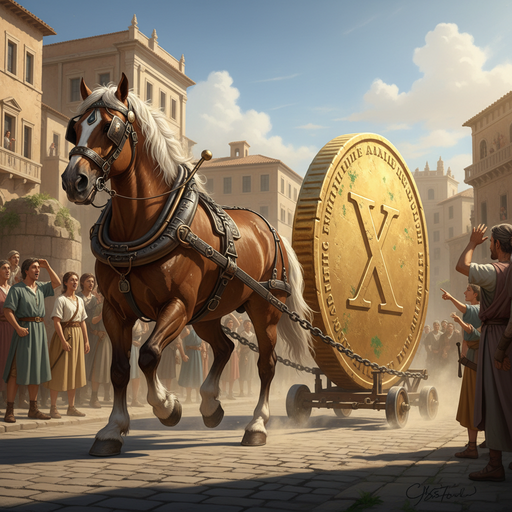




#WhenIsBestTimeToEnterTheMarket
One of the most common questions in investing is also the most misleading one: “When is the perfect time to enter the market?” The uncomfortable truth is that perfect timing almost never exists.
Markets are driven by countless variables — macroeconomics, sentiment, liquidity, news, fear, greed — all interacting in unpredictable ways. Waiting for the “ideal entry” often results in endless hesitation while opportunities pass by.
Instead of chasing perfection, experienced investors focus on probability, strategy, and risk management.
The best time to enter the market is usually when:
• You have a plan – Not just excitement or FOMO, but a defined strategy
• Risk is controlled – Position sizing matters more than entry precision
• Time horizon is clear – Short-term trades vs long-term investing are different games
• Emotion is stable – Fearful buying and greedy selling are expensive habits
A powerful concept many overlook is this:
👉 Time in the market often beats timing the market.
Consistent participation, disciplined accumulation, and patience tend to outperform frantic attempts at predicting tops and bottoms.
Rather than asking “Is this the lowest price?”, smarter questions are:
✔ Does this asset fit my strategy?
✔ Is the risk/reward reasonable?
✔ Can I handle volatility?
✔ Am I investing or gambling?
Techniques like dollar-cost averaging (DCA) help reduce timing stress by spreading entries over time. This shifts focus from prediction to consistency.
Remember:
Markets reward discipline more than brilliance.
Patience more than prediction.
Strategy more than emotion.
There is rarely a perfect entry — only well-managed decisions.
The real edge is not finding the exact bottom.
It’s surviving long enough to benefit from growth. 📈