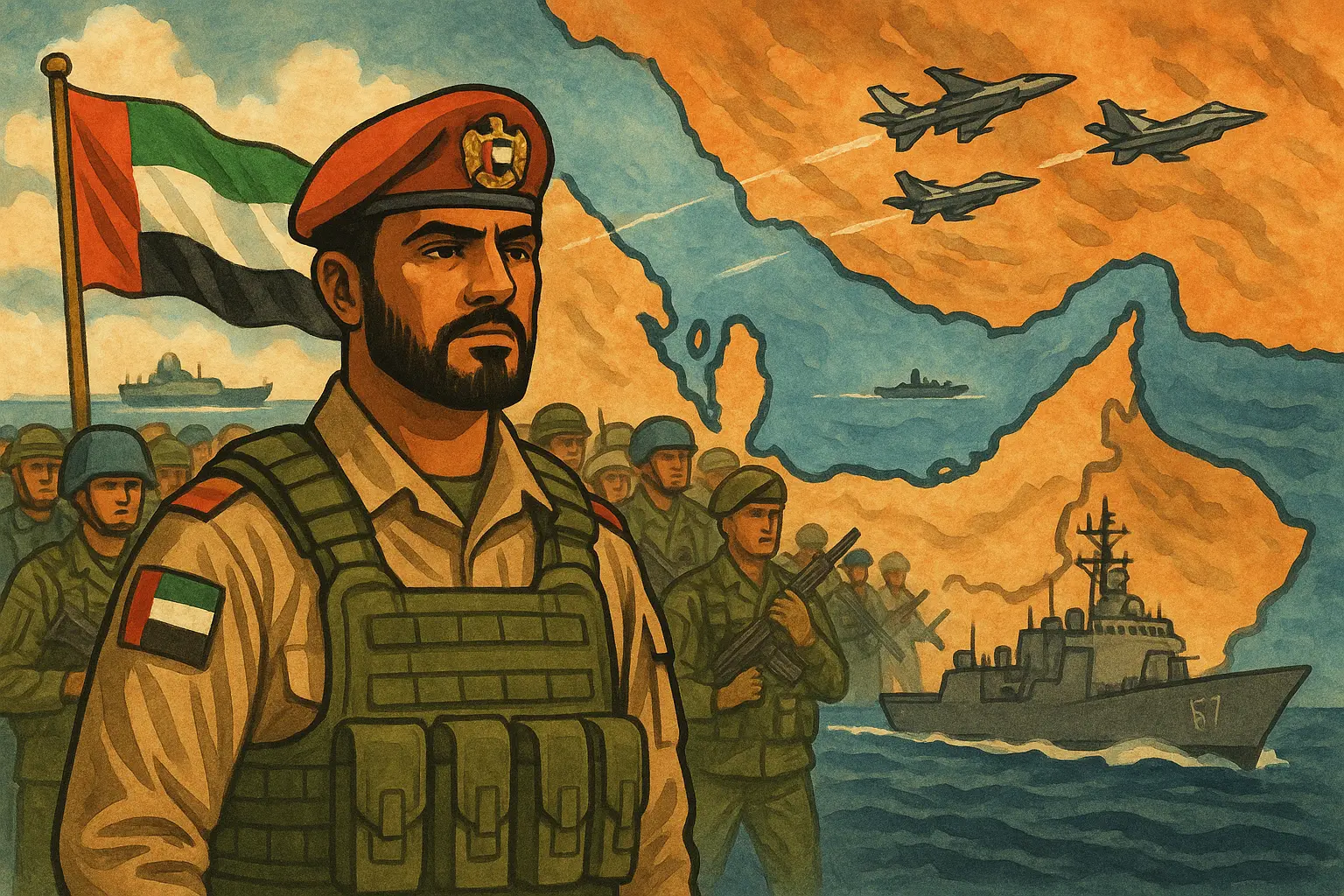
According to a March 27 report by the UK’s Financial Times, the UAE has conveyed its stance to the United States and several Western countries that it will participate in a multinational naval task force aimed at reopening the Strait of Hormuz. The UAE is actively lobbying to establish a multilateral military alliance called the “Hormuz Security Force,” planning to recruit dozens of countries to join, defend the strait from Iranian attacks, and escort commercial ships.
The UAE’s Diplomatic Strategy and Progress in Building the Hormuz Security Force
A senior UAE minister, Sultan al-Jaber, held talks this week in Washington with U.S. Vice President J.D. Vance on this issue, and clearly stated: “Iran is holding the Strait of Hormuz hostage. Every country is paying the price—at gas stations, grocery stores, and pharmacies.” The UAE is also working with Bahrain to actively promote a United Nations Security Council resolution to provide legal authorization for the operation of the multinational task force.
Insiders say the core goal of the UAE is to “build as broad an international force as possible,” emphasizing that “this is not about going to war with Iran—it’s Iran declaring economic war on the world.” However, so far, the U.S. NATO allies have rejected President Trump’s push for assistance with escorting ships. Last week, only the UAE and Bahrain, along with Western countries, jointly signed a statement condemning Iran’s attacks on merchant ships and its de facto blockade of the strait; other Gulf countries did not disclose their names.
The Gulf States’ Strategic Dilemma and Regional Divisions
The positions of Gulf countries in this crisis show clear signs of division, reflecting the complex calculations regarding regional security interests:
United Arab Emirates and Bahrain: the most hardline—jointly issuing condemnations and actively promoting a multinational escort alliance
Saudi Arabia and other Gulf countries: caught in a dilemma—they hope Trump will exert greater pressure on Iran but worry that a sudden U.S. withdrawal could leave a more radical Tehran regime; they are also actively calling for ending the conflict through negotiations
Oman: the only Gulf country publicly criticizing the U.S. and its allies’ decision to go to war, stating it is “intensively working to develop security arrangements for the passage through the Strait of Hormuz”
Regional analysts and Gulf officials note that Iran has little motivation to proactively open the strait, viewing the Strait of Hormuz as the most critical bargaining chip in the conflict. White House press secretary Karoline Leavitt said Wednesday that the Trump administration is working to enable ships to pass through the strait “as quickly as possible.”
Global Costs of Energy Blockade and Market Ripple Effects
The Strait of Hormuz typically carries about one-fifth of global oil and natural gas shipments. Iran’s attacks have reduced shipping volume through the strait to historic lows, directly disrupting global energy supply chains, exerting sustained upward pressure on oil prices, and impacting several major industrial economies dependent on Persian Gulf energy imports.
In anticipation of a long-term blockade, Gulf countries have begun assessing alternative routes, including accelerating the construction of pipelines and rail infrastructure, moving energy resources overland to Oman or the Mediterranean to bypass the Strait of Hormuz. However, such infrastructure projects take years to complete and cannot address the urgent current supply crisis.
Frequently Asked Questions
What is the current progress of forming the “Hormuz Security Force”?
As of the report’s publication, the Hormuz Security Force remains in diplomatic consultations and lobbying stages, and has not yet been officially established. The UAE is actively seeking support from Saudi Arabia and other international partners, and working with Bahrain to push for a UN Security Council resolution to authorize the force’s lawful operations.
What specific impact does the Strait of Hormuz blockade have on the global energy market?
The Strait of Hormuz transports about one-fifth of the world’s oil and natural gas. Iran’s attacks have sharply reduced shipping volumes, causing supply chain disruptions, upward pressure on oil prices, and ongoing effects on major industrial economies in Europe and Asia that rely on energy imports from the Persian Gulf.
Why has Saudi Arabia not joined the UAE’s proposed escort alliance?
Saudi Arabia and other Gulf countries face multiple strategic contradictions: they want to exert greater pressure on Iran but also worry that a sudden U.S. military withdrawal could leave a more radical Tehran regime behind; at the same time, they seek to end the conflict diplomatically to prevent escalation. These considerations have led Saudi Arabia to refrain from publicly supporting the escort plan.
Disclaimer: The information on this page may come from third parties and does not represent the views or opinions of Gate. The content displayed on this page is for reference only and does not constitute any financial, investment, or legal advice. Gate does not guarantee the accuracy or completeness of the information and shall not be liable for any losses arising from the use of this information. Virtual asset investments carry high risks and are subject to significant price volatility. You may lose all of your invested principal. Please fully understand the relevant risks and make prudent decisions based on your own financial situation and risk tolerance. For details, please refer to
Disclaimer.


