


tardigrade definition
What is Tardigrade?
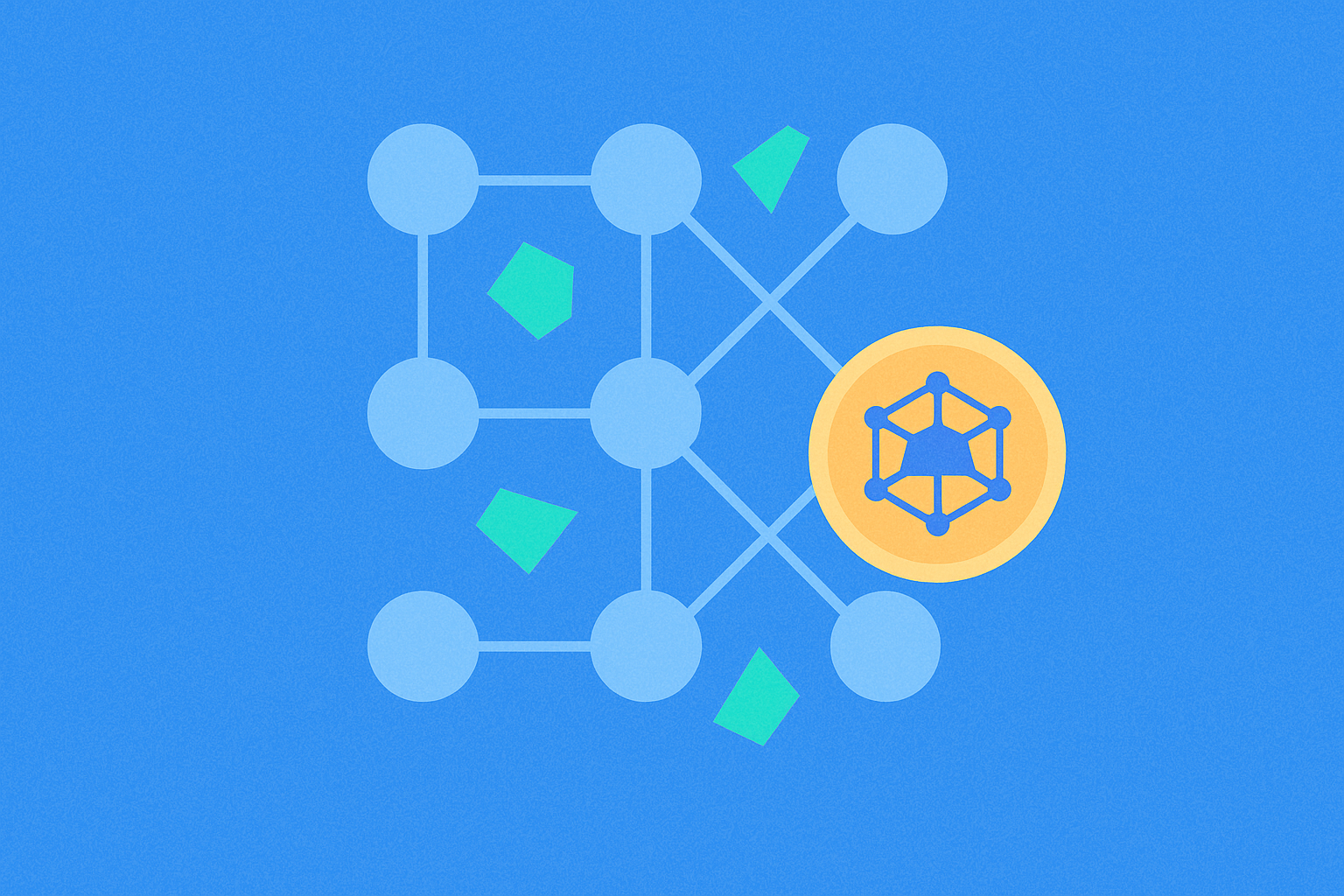
Tardigrade is a decentralized cloud storage network and brand developed by the Storj team, focusing on encrypted, sharded, and redundant object storage. It offers a developer interface compatible with Amazon S3. Although the official branding has since been unified under Storj, the community still refers to its decentralized storage solution as Tardigrade.
From a user perspective, Tardigrade operates like a cloud drive powered by the collective computers of many individuals. When you upload a file, it is encrypted, split into fragments, and distributed across nodes worldwide. The network then automatically reassembles the data upon retrieval, minimizing single points of failure.
How does Tardigrade work?
Tardigrade utilizes globally distributed “nodes” to collaboratively store your data. These nodes can be devices operated by individuals or organizations that contribute storage capacity and bandwidth, forming a highly redundant storage network.
Encryption is performed locally on your device—known as end-to-end encryption—meaning your data is secured before it ever leaves your computer. The network and nodes only handle encrypted data, reducing the risk of interception or tampering.
Erasure coding is a technology that splits files into multiple fragments with added redundancy information. It's akin to dividing a book into several parts and including "repair hints," so even if some pages are lost, the full content can be restored. Tardigrade leverages erasure coding to enhance durability and recoverability.
The S3-compatible interface allows developers to interact with Tardigrade using widely adopted object storage protocols—essentially providing a “universal cloud storage language” that is supported by many existing tools. This enables seamless integration without the need to rewrite storage logic.
When certain nodes go offline, the network initiates repair processes to replicate missing fragments onto new nodes, maintaining redundancy and availability. This dynamic repair ensures robust data integrity in a multi-node environment.
How do you use Tardigrade?
You can use Tardigrade much like any conventional cloud storage service, with the key difference being its decentralized infrastructure. The basic process includes:
Step 1: Account and Project Creation
Register via the official console, create storage buckets (similar to folders), and generate access keys and secret keys for upload/download authorization.
Step 2: Connect Tools
Choose an S3-compatible tool such as rclone or s3cmd; alternatively, use the official desktop client or gateway for uploading files via a graphical interface.
Step 3: Upload Files
Upload local files to your bucket. The system encrypts and shards them locally before distributing fragments across multiple nodes. You can define access policies, such as private or time-limited download links.
Step 4: Application Integration
Embed storage read/write operations into your backend or frontend applications for purposes like backup, log archiving, media distribution, or hosting model files.
What are the use cases for Tardigrade?
Tardigrade is ideal for scenarios requiring high reliability and global distribution. For example:
- Enterprise backup and archiving: Regularly storing database snapshots or business logs in object storage mitigates risks from data center failures.
- Media and game file distribution: Videos, patches, or large assets are delivered from geographically dispersed nodes, improving download speeds for users worldwide.
- AI and data science workflows: Teams can store models and datasets on Tardigrade, leveraging S3 compatibility and access control for unified retrieval across different environments. Training checkpoints are also securely stored and quickly recoverable.
- Web3 applications: Tardigrade serves as a decentralized backend data layer, working alongside smart contracts or account systems to store user-generated content or metadata while retaining familiar interfaces and billing models for developers.
How does Tardigrade differ from IPFS and Arweave?
Tardigrade differs from IPFS in both service model and durability guarantees. IPFS is a content-addressed distributed file system; data persistence depends on whether files are “pinned” and nodes remain online. In contrast, Tardigrade offers an object storage service with built-in redundancy strategies and usage-based pricing. Durability is ensured by the network’s architecture and erasure coding.
Compared to Arweave—which focuses on “permanent storage” through one-time prepayments suitable for immutable archival content—Tardigrade delivers a more traditional cloud storage experience with monthly or usage-based billing. This makes it better suited for use cases requiring frequent read/write operations and lifecycle management.
When choosing among these options:
- Consider Tardigrade as “decentralized S3,”
- IPFS as a “content-addressed distribution network,”
- Arweave as a “permanent archive.”
Each serves different needs and can be combined according to project requirements.
What is the relationship between Tardigrade and Storj?
Tardigrade was the decentralized object storage brand within the Storj ecosystem; later, all products were unified under the Storj name, but the underlying technology and network principles remain consistent. When the community refers to Tardigrade, they typically mean Storj’s decentralized storage service.
In the Storj network, node operators contribute resources and earn STORJ token rewards. Users consume storage and bandwidth through familiar interfaces and billing methods. This forms a marketplace where supply and demand are balanced through tokens and invoices.
What do you need to prepare to use Tardigrade?
Step 1: Accounts and Keys
Register, create storage buckets, generate access and secret keys, and store them securely to prevent unauthorized data access.
Step 2: Tools and Workflow
Select an S3-compatible tool or official client, plan your backup schedule and lifecycle strategies (e.g., “7 days hot storage, 30 days archival”).
Step 3: Budgeting and Payments
Estimate your data volume and monthly bandwidth needs. If paying with STORJ tokens, set up a wallet and manage your funds accordingly. When purchasing STORJ on Gate and transferring it to your wallet, monitor token price fluctuations and on-chain fees to stay within budget.
Step 4: Security and Recovery
Document your encryption key management strategy, test cross-region download speeds and file recovery processes to ensure real-world usability.
What are the risks of using Tardigrade?
Technical risks: Tardigrade depends on the stability of global nodes and network bandwidth. In extreme cases, you may encounter read delays or prolonged fragment repairs. For critical data, maintain offsite copies and offline backups.
Key management risk: End-to-end encryption gives you full control—if you lose your keys, recovery may be impossible. Use password managers and tiered permission strategies to prevent single points of failure.
Financial risk: If you pay with STORJ tokens, price volatility could lead to unstable costs. Assess your risk tolerance when buying or holding tokens on Gate; diversify holdings and avoid using essential living funds.
Compliance and data governance: Decentralized storage across borders may involve regional legal requirements. Enterprises should consult legal/compliance teams to develop suitable access controls and encryption strategies.
What is the current state and future outlook for Tardigrade?
As of late 2024, decentralized storage continues moving toward compatibility with existing tools, with S3 APIs becoming a mainstream access method. The growth of AI and media workloads is driving demand for highly reliable, globally distributed data layers.
While the Tardigrade brand has merged with Storj, its core value proposition remains: sharded encryption, erasure-coded redundancy, S3 compatibility, and usage-based pricing. Looking forward, expect finer-grained lifecycle management, more transparent performance metrics, and multi-cloud strategies—making decentralized storage functionally indistinguishable from traditional cloud solutions for developers.
In summary, Tardigrade exemplifies an approach of “leveraging familiar interfaces to deliver decentralized capabilities”: maintaining a stable developer experience while letting globally distributed nodes and protocols optimize reliability and cost.
FAQ
Can you see a Tardigrade with the naked eye?
Tardigrades are not visible to the naked eye due to their extremely small size—typically only 0.3–0.5 millimeters in length. You need a microscope with at least 100x magnification to observe their form and structure. This is why tardigrades are often called "water bears"—under magnification, they resemble tiny bears.
Do tardigrades have natural predators?
In nature, tardigrades have very few natural predators because of their microscopic size and habitat within microenvironments. However, certain predatory nematodes, fungi, or bacteria can pose threats. Their lack of predators contributes significantly to their ability to survive in harsh conditions for millions of years.
Can tardigrades survive being crushed?
Tardigrades possess extraordinary resistance to physical pressure—even surviving forces equivalent to being stepped on by an elephant. They can enter a cryptobiotic state that suspends metabolic activity, enabling them to withstand extreme physical stress. This resilience is why they are considered among Earth’s toughest life forms.
Are tardigrades harmful to humans?
Tardigrades are completely harmless to humans. These microorganisms cannot be seen without magnification, do not invade human bodies or transmit diseases. On the contrary, scientists are fascinated by their extreme survivability, studying tardigrades for potential advancements in medicine, space exploration, and other fields.
Why are tardigrades called "the toughest creatures"?
Tardigrades have earned their reputation as "the toughest creatures" due to unprecedented levels of resilience. They can survive near-absolute-zero temperatures, over 150°C heat, high vacuum environments, intense radiation, and immense pressure for years at a time. Remarkably, they have even survived in space experiments—demonstrating the limits of life’s endurance.
Related Articles

The Future of Cross-Chain Bridges: Full-Chain Interoperability Becomes Inevitable, Liquidity Bridges Will Decline

Solana Need L2s And Appchains?
