sandbox metaverse
What Is the Sandbox Metaverse?
The Sandbox Metaverse is a blockchain-based virtual world platform where users can own and manage their own digital land, create interactive experiences, and trade with others. Core elements include NFTs, the SAND token, creation tools, and an asset marketplace.
In this context, NFTs are verifiably unique digital assets—comparable to one-of-a-kind in-game items or tickets. LAND refers to NFT-based virtual land parcels, representing ownership of specific plots on the map. SAND is the platform’s utility token, used for payments, governance voting, and creator incentives. The platform provides VoxEdit (a voxel-style 3D modeling tool) and GameMaker (a no-code game editor), enabling non-programmers to publish interactive content.
Why Does the Sandbox Metaverse Attract Creators and Brands?
The Sandbox Metaverse is built on principles of content ownership and revenue sharing: creators retain full ownership of their assets and can set royalty rates for trades; players can pay for premium experiences, allowing creators to earn income.
For creators, tools like VoxEdit and GameMaker lower barriers to entry—game logic and assets can be assembled like building blocks and launched without coding skills. For brands, the Sandbox Metaverse offers customizable, immersive spaces for hosting interactive exhibitions, selling limited-edition items, and unlocking perks through quests—combining marketing with community engagement. Public data (as of 2024) shows that a variety of entertainment and fashion brands have already experimented with interactive scenes in the platform.
How Does the Sandbox Metaverse Work Technically?
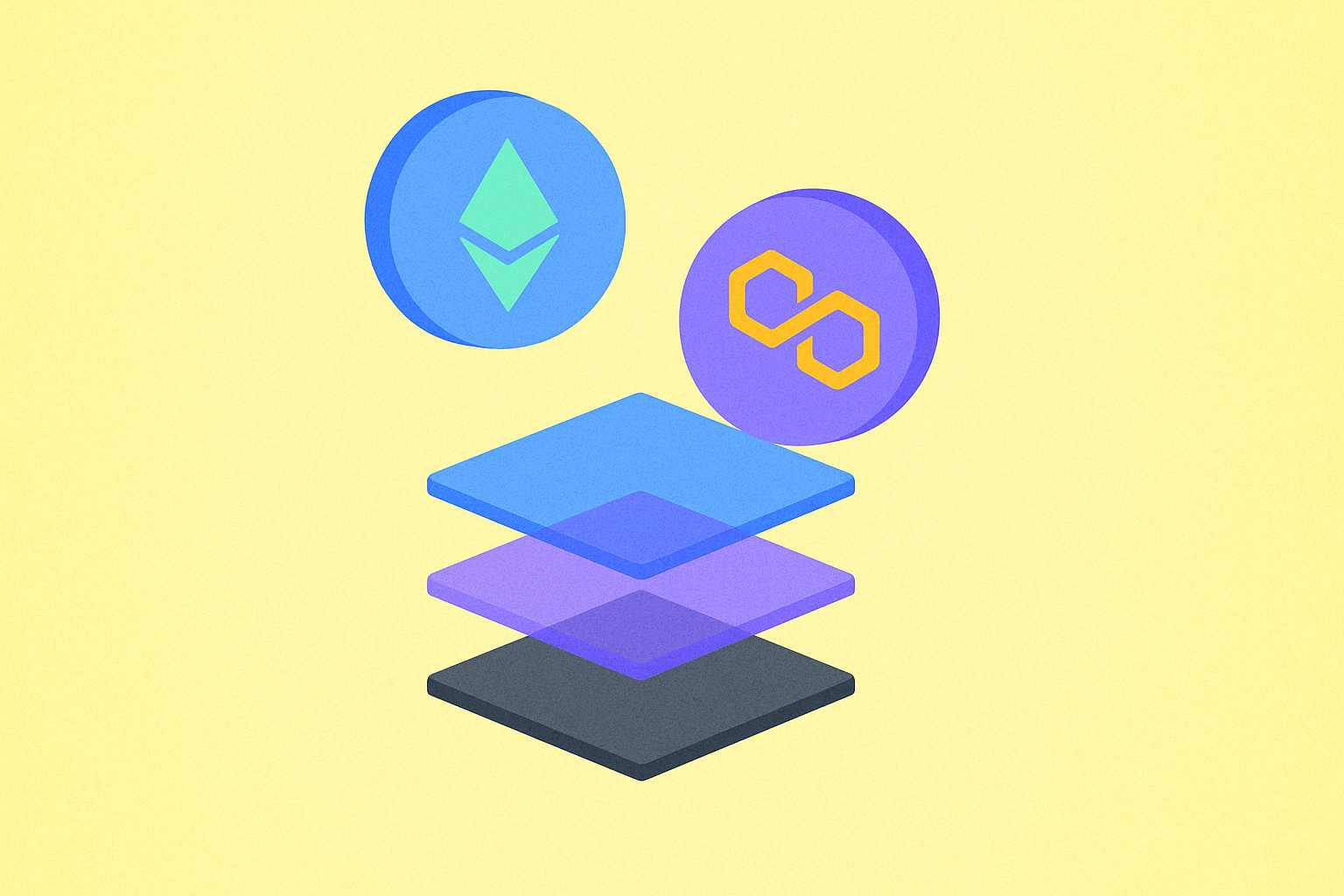
The Sandbox Metaverse operates on both Ethereum and Polygon networks: Ethereum provides robust security and general compatibility, while Polygon reduces transaction fees and accelerates transaction speeds. Most assets are issued as NFTs; LAND typically follows the ERC-721 standard, while other items may use more scalable standards for batch issuance.
Smart contracts automatically execute platform rules—covering asset minting, trade settlement, royalty distribution, and governance voting. For example, when you purchase an item in the marketplace, the smart contract records the payment, transfers ownership, and automatically pays out royalties to the creator. As Polygon offers lower transaction fees, many interactions (such as trading items) are prioritized on Polygon to enhance user experience.
How to Get Started with the Sandbox Metaverse?
Step 1: Create an account and set up a wallet. The wallet acts as your crypto asset “account”—browser extension wallets are commonly used for logging in and signing transactions.
Step 2: Connect your wallet and set up your avatar and nickname. After linking your wallet, you can save your progress and manage assets within the Sandbox Metaverse.
Step 3: Start with free experiences. The platform offers some free maps or activities so beginners can explore without spending money.
Step 4: Install and use creation tools. VoxEdit is for creating voxel-style 3D models; GameMaker lets you assemble scenes, quests, and mechanics into playable experiences—no coding required.
Step 5: Learn about assets and the marketplace. Buying, listing, and reselling assets all take place in the official marketplace; transaction records are stored on-chain and you can view your NFTs directly in your wallet.
How to Buy and Use SAND on Gate for Sandbox Metaverse?
Step 1: Register an account on Gate and set up security features. Enable two-factor authentication (2FA) and set a fund password to increase account protection.
Step 2: Trade SAND in Gate’s spot market. You can use limit or market orders—always confirm trading pairs and price volatility before placing orders, and set reasonable stop-loss levels or staggered buys.
Step 3: Withdraw SAND to your wallet. Choose the correct network (Ethereum or Polygon) when withdrawing from Gate and verify your wallet address; using the wrong network may result in lost funds.
Step 4: Connect your wallet in the Sandbox Metaverse and authorize SAND usage. When paying for tickets, purchasing items, or joining activities, your wallet will prompt you to sign or confirm payments.
Step 5: Pay attention to transaction fees and arrival times. Ethereum gas fees can spike during network congestion; Polygon fees are typically lower. Different networks have varying confirmation speeds—be patient as you await on-chain confirmations.
Risk Reminder: Digital asset prices are highly volatile—never use essential living funds for participation. Beware of phishing links—always access or download platforms from official sources.
How Can You Earn in the Sandbox Metaverse?
Entry Tickets & Access Fees: Set entry prices for your experiences; players pay to unlock content.
Royalties & Secondary Sales: List NFT items or avatars on the marketplace with preset royalties for resales—earning ongoing revenue shares.
Direct Asset Sales & Limited Releases: Create exclusive sets, mounts, or decorations for special events or communities to increase scarcity value.
Land Operations & Leasing: Own LAND to run themed parks or lease plots to teams for content creation, earning fixed rent or revenue shares.
Quests & Sponsorships: Collaborate with brands or communities on task-based events to earn sponsorship fees or joint sales proceeds.
How Is the Sandbox Metaverse Different from Other Metaverses?
The Sandbox Metaverse centers on UGC (User-Generated Content), with no-code tools lowering creative barriers so anyone can design game levels. It emphasizes built-in asset ownership verification and royalty mechanisms for transparent creator rights and earnings.
In terms of land systems, LAND as an NFT specifies ownership and coordinates for long-term operations and cross-project collaboration. Multi-network support (Ethereum & Polygon) further optimizes costs and user experience—making it ideal for high-frequency creator interaction and trading ecosystems.
What Are the Risks and Compliance Considerations in Sandbox Metaverse?
Market Risk: SAND prices, LAND values, and NFT prices are subject to market fluctuations—returns are not guaranteed.
Technical Risk: Smart contracts may have vulnerabilities; exercise caution with third-party tools or contract interactions. When bridging across networks, always verify contract authenticity.
Account Security: Guard against phishing websites and malicious signature requests; keep wallet seed phrases offline—never screenshot or upload them to the cloud.
Compliance & Copyright: Ensure copyright authorization for all assets used; virtual asset regulations vary by region—research local policies and tax obligations before trading or launching assets.
What Is the Outlook for Sandbox Metaverse?
Based on public reports and industry trends (as of 2024), the Sandbox Metaverse will continue expanding multi-network support, lowering creation and trading costs, and increasing partnerships across entertainment, sports, fashion, and more. The user-generated content economy will mature further with enhanced governance models and creator incentives. Mobile features and social layers are also expected to improve retention and user engagement efficiency.
Key Takeaways on Sandbox Metaverse
The Sandbox Metaverse integrates virtual land ownership, creative tools, and on-chain trading—enabling creators to retain asset ownership with sustainable revenue sharing. Beginners can start with free experiences and basic creation before learning about the marketplace and SAND usage. When buying SAND on Gate, always verify networks and addresses—mind gas fees and account security settings. Revenue opportunities include tickets, royalties, asset sales, and land operations—but always consider price volatility, smart contract risk, and compliance requirements. Overall, it’s an open virtual world driven by UGC with transparent rights management and earnings.
FAQ
As a Beginner in the Sandbox Metaverse, Should You Buy Land or Start Creating Directly?
It depends on your goals and budget. Buying land requires more capital but offers long-term appreciation potential—suitable for investors confident in the ecosystem’s growth. Direct creation has a low entry barrier; you can start by designing items or games to get familiar with the platform before considering land purchases. Beginners are advised to start by creating content—learn through hands-on experience before deciding whether to invest in land based on personal interest.
Does SAND Token Price Volatility Affect Your Experience in the Sandbox Metaverse?
SAND price fluctuations mainly impact investment returns and land purchase costs but do not affect core platform experiences or creative processes. If you’re purely a creator or gamer, price swings have limited impact; if you plan to buy land or cash out earnings, timing matters more. Use price alerts on trusted platforms like Gate to optimize your actions.
Can You Use or Resell Creative Works from Sandbox Metaverse on Other Platforms?
NFT assets created in Sandbox (such as virtual items or LAND) can be resold on supported secondary marketplaces; however, resale rules are subject to Sandbox’s protocol restrictions. Cross-platform use depends on compatibility standards—most assets circulate primarily within the Sandbox ecosystem. Review your asset license agreements or consult the Gate community for resale policies.
Do You Need Coding Skills to Create in Sandbox Metaverse?
Not necessarily. Sandbox offers visual creative tools (like VoxEdit), allowing zero-code users to drag-and-drop or configure 3D assets and experiences directly. For more complex game logic or interactions, basic programming knowledge can be advantageous. Start with official tools first; then decide if deeper coding skills are needed based on your creative ambitions.
Are Virtual Assets in the Sandbox Metaverse Secure? How Can You Protect Your Account and Assets?
Sandbox assets are blockchain-secured—technically robust—but actual account safety depends on your practices. Use two-factor authentication (2FA), strong passwords, avoid public networks, and never click phishing links. Only buy or trade SAND via official platforms like Gate—beware of scam sites. Regularly monitor account activity; change passwords immediately if suspicious activity occurs and contact official support if needed.
Related Articles

What Is Fundamental Analysis?
What Are Altcoins?