What Is the BlackRock Bitcoin ETF?
The BlackRock Bitcoin ETF is a spot exchange-traded fund issued by BlackRock, backed directly by Bitcoin as its underlying asset. Investors can buy and sell shares of this ETF through traditional brokerage accounts, similar to trading stocks. The fund aims to closely track the market price performance of Bitcoin.
An ETF can be understood as a “securitized basket of assets” that is listed and traded on an exchange, much like individual stocks. The term "spot" indicates that the fund actually holds Bitcoin, rather than merely replicating its price through derivatives contracts.
Why Is the BlackRock Bitcoin ETF Gaining Attention?
The BlackRock Bitcoin ETF has drawn significant attention because it brings Bitcoin exposure into traditional financial accounts, lowering barriers related to custody, compliance, and tax reporting. Managed by a leading global asset manager, it provides regulated access for both institutional investors and compliant capital allocations.
In January 2024, the U.S. Securities and Exchange Commission (SEC) approved multiple spot Bitcoin ETFs for public listing (Source: SEC public announcement, January 2024). Since then, trading volume and net inflows into these products have become focal points in market discussions (Source: Bloomberg and major financial media, H1 and October 2024 trend reports).
How Does the BlackRock Bitcoin ETF Work?
The core mechanisms behind the BlackRock Bitcoin ETF are “creation and redemption” and “custody.” Authorized participants exchange cash or Bitcoin for ETF shares, which keeps market prices aligned with the fund’s net asset value (NAV).
A custodian safeguards the Bitcoins held by the fund, similar to storing valuable assets in a regulated vault. Custody typically utilizes cold storage solutions and multi-layer approval processes to minimize risks of theft or operational errors. The fund discloses its holdings and NAV daily, enabling investors to monitor its performance.
When market prices deviate from the NAV, market makers conduct arbitrage via creation/redemption and secondary market trading, helping bring prices back in line with underlying Bitcoin. This mechanism ensures the ETF closely tracks spot Bitcoin prices.
How Can You Buy or Redeem the BlackRock Bitcoin ETF?
Retail investors can purchase the BlackRock Bitcoin ETF by placing orders through a regulated securities brokerage account during trading hours. Redemption is simply selling your ETF shares for cash. For most individual investors, the process is nearly identical to buying or selling a stock.
Step 1: Open a compliant brokerage account that supports U.S. equities trading and complete identity and tax documentation.
Step 2: Search for the relevant ticker symbol in your trading platform (for example, iShares Bitcoin Trust is commonly traded under the ticker IBIT), then choose to buy or sell.
Step 3: Set your price or quantity, submit your order during U.S. market hours, and review your holdings and transaction costs in your account statement.
Note: Some regions may impose compliance restrictions or tax differences. Always refer to local regulations and brokerage rules for actual eligibility.
How Does the BlackRock Bitcoin ETF Differ from Directly Holding Bitcoin?
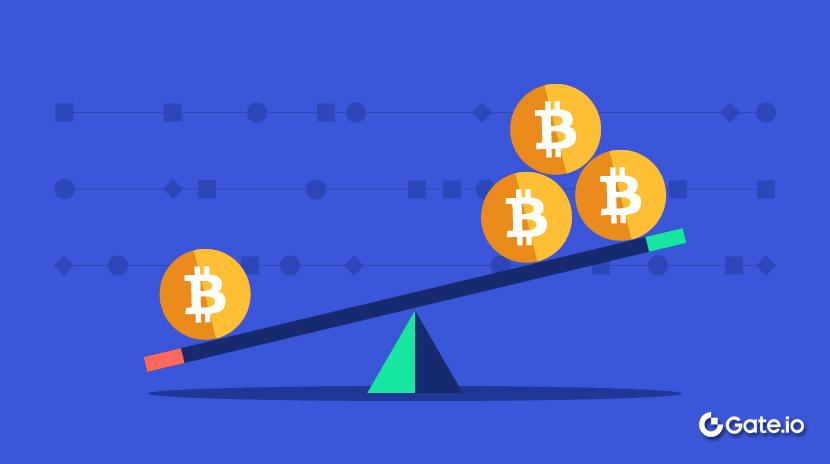
The main differences between holding the BlackRock Bitcoin ETF and owning Bitcoin directly involve ownership structure, trading hours, fee model, and user experience. With an ETF, you own fund shares; with direct holding, you control both the Bitcoin itself and its private keys.
Direct ownership means you hold your own private keys—akin to personally holding the keys to your safe deposit box. In contrast, with an ETF, custody and fund management are handled by third parties, and investors do not interact with private keys. Directly held Bitcoin can be traded 24/7, while ETFs are limited to exchange trading hours. Cost-wise, ETFs charge management fees and incur brokerage expenses; direct ownership involves blockchain transaction fees and platform charges.
In terms of accessibility, ETFs suit traditional investment portfolios, retirement accounts, or those requiring compliant reporting. Direct holding is preferable for users who want full on-chain functionality or round-the-clock trading flexibility.
What Are the Fees and Compliance Risks of the BlackRock Bitcoin ETF?
Key costs associated with the BlackRock Bitcoin ETF include an annual management fee, trading commissions, and bid-ask spreads. Management fees are set by the fund’s prospectus, while commissions and spreads depend on your broker and market liquidity. ETFs may also experience “tracking error,” where performance slightly diverges from spot Bitcoin prices.
Compliance risks encompass potential regulatory changes affecting product trading or holdings, variations in tax treatment, and possible adjustments in exchange or custody procedures. Market risk remains significant; Bitcoin’s price volatility can cause large short-term fluctuations in NAV. Sometimes prices exhibit a “premium or discount,” meaning secondary market prices trade above or below NAV.
Before investing any capital, evaluate your risk tolerance and carefully review the fund’s prospectus and risk disclosures.
What Is the Market Impact of the BlackRock Bitcoin ETF?
The BlackRock Bitcoin ETF provides a compliant gateway for traditional capital to enter the crypto market, increasing spot demand and enhancing price discovery. It may also shift liquidity and volatility patterns toward U.S. trading hours, strengthening correlations between Bitcoin and traditional financial markets.
From January to October 2024, spot ETF flows and trading activity were closely monitored by several media outlets, reflecting growing interest from traditional investors in gaining Bitcoin exposure (Source: Bloomberg, CoinDesk, etc., 2024 trend reports). These products have also prompted research institutions to analyze cross-market liquidity between on-chain and over-the-counter venues.
While you cannot directly purchase the BlackRock Bitcoin ETF on Gate, you can monitor and strategize around BTC price movements and liquidity—such as setting alerts or optimizing your trading schedule.
Step 1: Monitor BTC spot trading pairs on Gate (e.g., BTC/USDT), set up price and volume alerts to capture volatility driven by active U.S. trading sessions linked to BlackRock’s ETF.
Step 2: Pay attention to U.S. market open/close windows. Use Gate’s order book depth page to observe spreads and liquidity shifts, avoiding large trades during thin liquidity periods.
Step 3: Choose suitable trading tools on Gate such as limit orders, stop-losses, or grid strategies, pre-setting positions and risk thresholds. If using leverage or contract trading, ensure strict leverage control and proper stop-loss settings.
Risk warning: All trading carries price volatility and liquidity risk; robust strategy and position management are essential. Practice sound capital allocation and risk control at all times.
Who Is the BlackRock Bitcoin ETF Designed For?
The BlackRock Bitcoin ETF is ideal for those seeking Bitcoin exposure within traditional brokerage or retirement accounts—especially investors who prefer not to manage private keys or require compliant reporting and auditing. Those interested in on-chain functions, 24/7 trading, or deeper involvement in crypto ecosystems may prefer direct ownership of Bitcoin.
If you prioritize consolidated account management, tax reporting convenience, and regulatory transparency, the BlackRock Bitcoin ETF is a strong option. If sovereignty over your holdings and maximum on-chain freedom are more important to you, direct ownership is more suitable.
How Should You View the BlackRock Bitcoin ETF Going Forward?
As a bridge between traditional finance and digital assets, the BlackRock Bitcoin ETF offers long-term value in terms of regulatory access, liquidity, and capital flows. Understanding its mechanics, costs, and risks—while aligning them with your personal goals—will help you decide whether to use an ETF or hold BTC directly.
Practically speaking, building reliable information sources and alerts, observing markets during key sessions, and following a disciplined risk framework are effective ways to integrate the BlackRock Bitcoin ETF’s market influence into your investment decisions. Regardless of your path, prioritizing fund security and compliance remains paramount.
FAQ
What Is the BlackRock Bitcoin ETF?
The BlackRock Bitcoin ETF is an exchange-traded fund launched by BlackRock—the world’s largest asset manager—that allows investors to gain exposure to Bitcoin as easily as buying stocks. Compared to purchasing Bitcoin directly, it offers regulated custody solutions, lower entry barriers, and familiar access through traditional finance channels. This makes it a key entry point for both institutional and retail investors into the Bitcoin market.
What’s the Difference Between the BlackRock Bitcoin ETF and Buying Bitcoin Directly?
Buying Bitcoin directly requires opening an account at a crypto exchange (such as Gate) and personally managing your private keys—introducing self-custody risks. In contrast, the BlackRock Bitcoin ETF is professionally custodied by a major financial institution for enhanced security. You can buy or sell it through standard brokerage accounts without needing blockchain knowledge; however, costs include fund management fees. The choice depends on your preferences for convenience versus cost.
How Can Regular Investors Purchase the BlackRock Bitcoin ETF?
The BlackRock Bitcoin ETF is listed on traditional stock exchanges; you can purchase it directly through any brokerage account that supports stock trading—the process is as straightforward as buying any stock. There’s no need to register with a crypto exchange or learn how to use wallets; buy or sell during normal market hours. If you don’t yet have a brokerage account, simply open one to participate in ETF trading.
What Are the Risks and Considerations of the BlackRock Bitcoin ETF?
Bitcoin is highly volatile; accordingly, ETF prices can fluctuate significantly—posing potential loss risks for investors. Additionally, ETFs typically charge management fees (annual rates of 0.2%–0.25%), so holding over time will accumulate costs. Assess your risk tolerance before investing—never allocate more than you can afford to lose—and consider dollar-cost averaging instead of lump-sum investing.
Why Is the Launch of the BlackRock Bitcoin ETF Significant?
BlackRock’s entry as the world’s largest asset manager signals formal recognition of Bitcoin by mainstream financial institutions—greatly reducing participation barriers for everyday investors. This accelerates Bitcoin’s transition from a niche asset class toward mainstream adoption, provides compliant investment channels for institutions, and supports the maturation of crypto asset markets overall.