


Top Changes in Digital Asset Listings: Implications for Dogecoin, Shiba Inu, and Cardano HODLers
Major Cryptocurrency Exchange Delists Multiple Altcoins, What Should Holders Expect?
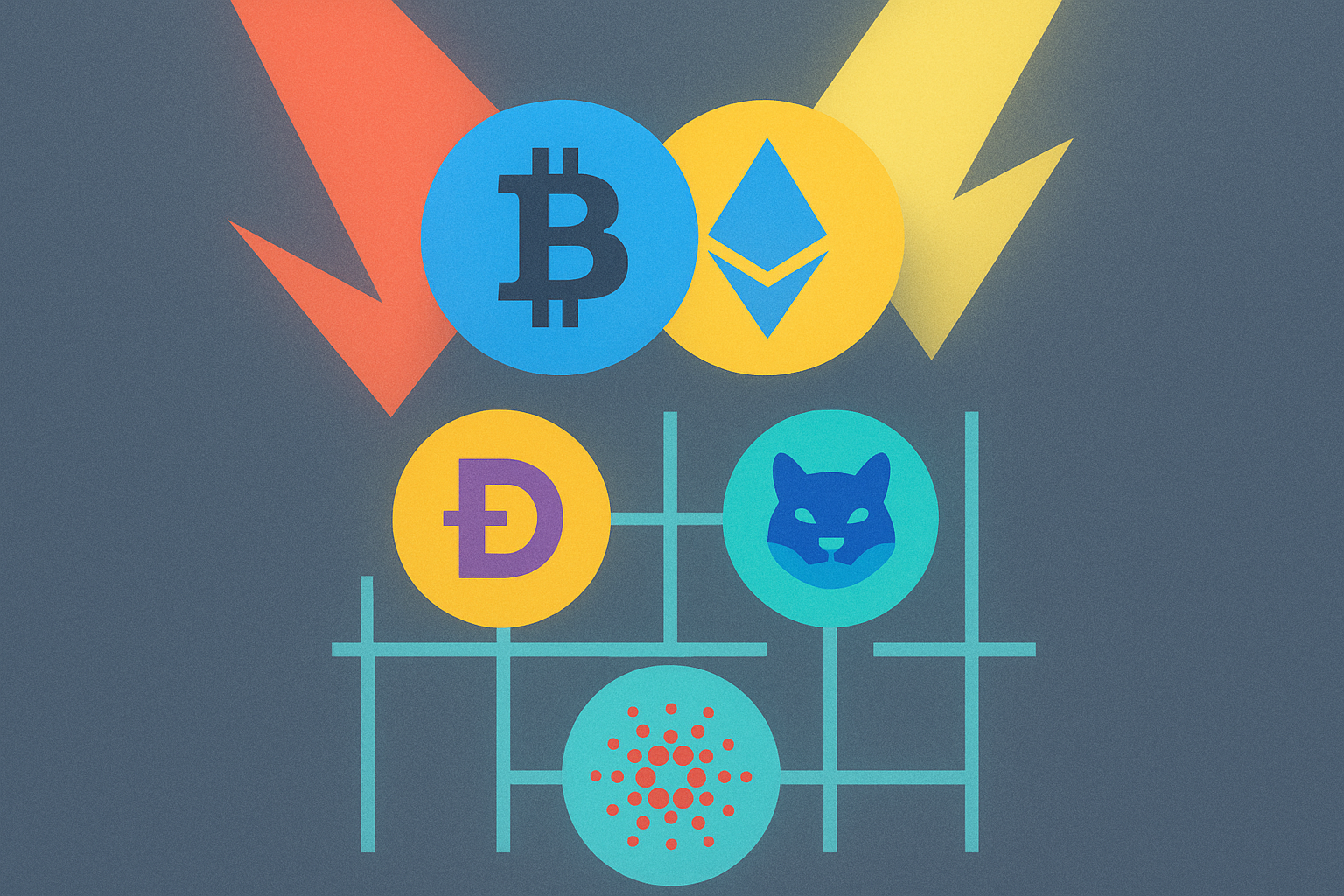
A prominent cryptocurrency exchange has announced a significant delisting action affecting several major cryptocurrencies. This regulatory-driven decision marks an important development in the cryptocurrency exchange landscape, particularly as exchanges navigate increasingly stringent compliance requirements across different jurisdictions. The delisting of prominent assets such as certain meme coins and proof-of-stake tokens reflects the broader tension between regulatory compliance and market accessibility in the cryptocurrency industry.
Exchange Delists Multiple Cryptocurrencies in Canada
A major cryptocurrency trading platform has made the strategic decision to delist 10 cryptocurrencies from its Canadian platform operations. According to official communication sent to Canadian users, this action is part of the exchange's commitment to maintain regulatory compliance within the jurisdiction. The decision stems from the platform's Pre-Registration Undertaking with the Ontario Securities Commission, which outlines specific requirements for obtaining appropriate registration and operating legally in Canada.
The affected cryptocurrencies subject to delisting include popular meme coins, proof-of-stake networks, and various altcoins. Additionally, the exchange announced that all lower-tier tokens would also be delisted from the Canadian market, including various emerging digital assets. This comprehensive delisting strategy demonstrates the exchange's prioritization of regulatory alignment over maintaining a broad asset portfolio in the region.
For users holding these affected cryptocurrencies, the platform provided a transition period to manage their positions. During this window, users have two primary options: they can withdraw their tokens directly or convert them into other supported cryptocurrencies remaining available on the platform. It is important to note that users can no longer deposit or purchase these affected cryptocurrencies through the exchange. For those who fail to take action by the specified deadline, the exchange will automatically convert their holdings into Canadian Dollars (CAD), providing a forced settlement mechanism to ensure all positions are resolved by the compliance date.
Major Digital Assets Survive Delisting
While the delisting action affects a substantial number of altcoins, not all cryptocurrencies face removal from the platform. Bitcoin (BTC), Ethereum (ETH), and notably XRP have secured exemptions from the delisting requirements and will continue to be available for trading on the Canadian exchange. This distinction underscores the market hierarchy and regulatory perception differences between asset classes.
Bitcoin and Ethereum's survival of the delisting process reflects their dominant positions as the two leading cryptocurrencies by market capitalization and their established regulatory acceptance across most jurisdictions. These assets are widely recognized as the foundational cryptocurrencies of the industry and maintain institutional backing and regulatory clarity in most major markets.
For investors seeking to purchase alternative digital assets like XDC tokens, it is advisable to explore other regulated trading platforms that maintain broader cryptocurrency offerings and support multiple digital asset classes beyond those retained by major exchanges during compliance-driven delistings.
Conclusion
The delisting action represents a significant regulatory milestone in the cryptocurrency exchange industry, particularly highlighting the divergent treatment of different digital assets under evolving compliance frameworks. The removal of various altcoins and emerging tokens demonstrates how regulatory requirements can fundamentally reshape the trading landscape for retail investors in specific jurisdictions. While this move may create short-term challenges for holders of affected cryptocurrencies, it reflects the necessary maturation of cryptocurrency exchanges as they balance operational compliance with market service provision. Investors affected by these delistings must act within designated timelines to secure their assets, either through direct withdrawal or strategic conversion into remaining supported cryptocurrencies. Moving forward, this trend of regulatory-driven delistings is likely to continue as exchanges establish operations in new jurisdictions and adapt to evolving compliance standards globally.
FAQ
What are the minimum purchase amounts and fees for buying XDC?
You can purchase XDC with a minimum amount as low as $10. Fees vary by payment method and platform, typically ranging from 0.26% to 2% for standard transactions. Some platforms offer lower fees for higher volume trades.
Is it better to buy XDC on centralized exchanges or decentralized exchanges?
Centralized exchanges offer better security and easier user experience for beginners, while decentralized exchanges provide lower fees and greater control. Choose based on your experience level and priority—security or cost efficiency.
Share
Content
How to Buy Cryptocurrency


Trending Cryptocurrencies



Aergo Price Analysis: 112% Surge in 90 Days - What's Next for 2025?

What Is Trump Crypto ($TRUMP)?
Why is CryptoJack so hopeful about Gate.com and GT TOKEN in this bull run?

FET Crypto Price Prediction 2025

What Is Alephium (ALPH)? Price Forecast and Growth Outlook
XLM Crypto Price Prediction: Why Stellar Could Surge Beyond AUD $1?
What is a crypto trader?

Optimistic Rollup: Technical Analysis

How to Stake Chainlink: A Step-by-Step Guide to LINK Staking

AlphaArena Model Launch: How AI is Redefining Crypto Trading with Real-World Benchmarks

How to Participate in Chainlink Airdrop
