Explanation of the 2008 Financial Crisis

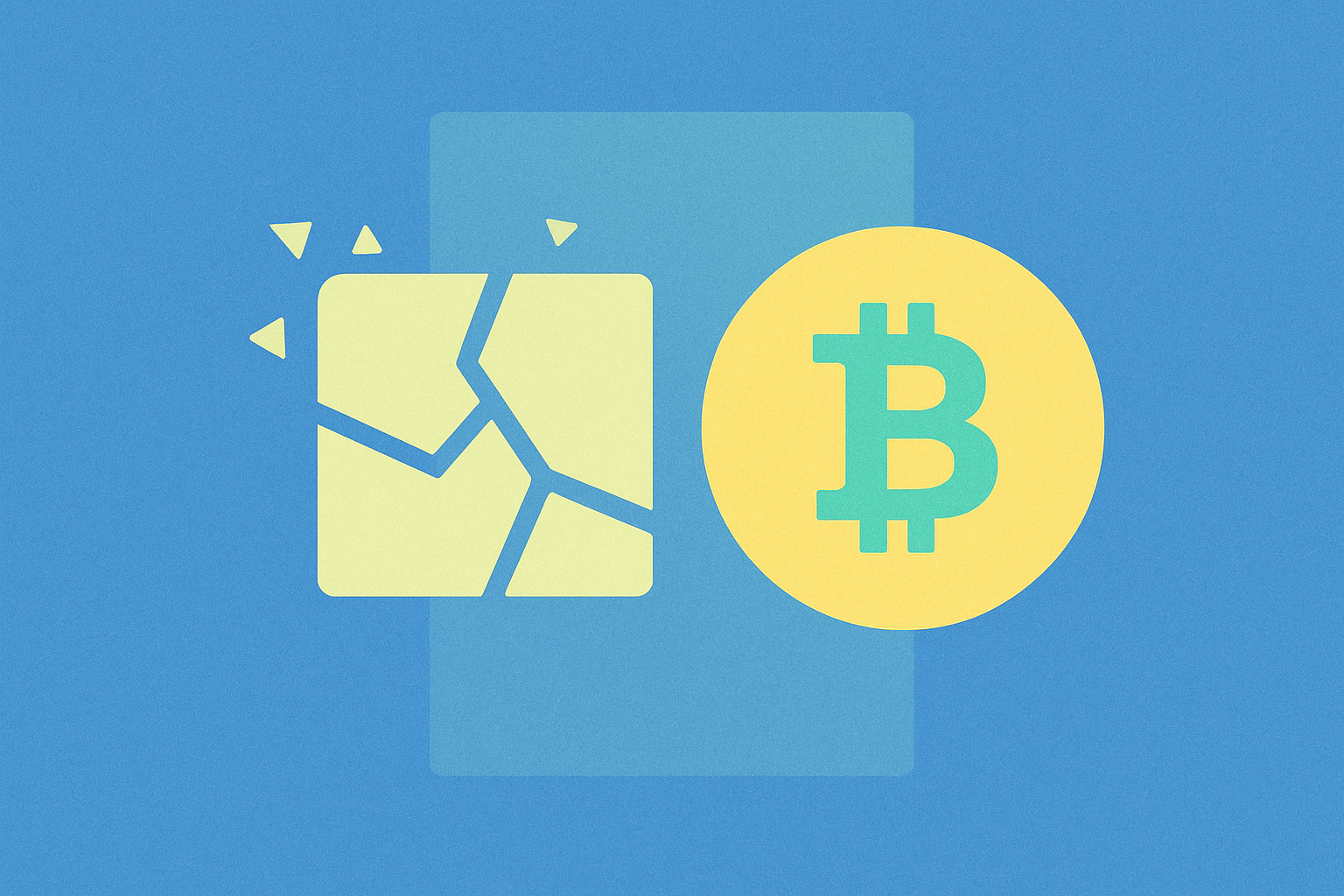
Before and After
The 2008 financial crisis shook the global economy, leaving lasting impacts that continue to influence financial systems worldwide. Nearly two decades later, people remain concerned about how regulations have evolved and, more importantly, how such devastating economic crises can be prevented in the future.
What began as a crisis in the subprime mortgage market eventually developed into a comprehensive global financial crisis and recession. From massive government bailouts to the ensuing economic downturn, many have questioned the stability and transparency of the global banking systems they once trusted.
What Happened During the Financial Crisis?
The 2008 financial crisis, widely regarded as the worst economic catastrophe since the Great Depression, devastated the world economy. This resulted in the so-called Great Recession, which led to plummeting housing prices and dramatically rising unemployment rates. The associated consequences were enormous and continue to affect financial systems today.
In the United States alone, more than eight million people lost their jobs, approximately 2.5 million businesses were destroyed, and nearly four million homes faced foreclosure within less than two years. Many lost confidence in the system, from food security concerns to growing income inequality.
The recession officially ended in 2009, but many continued suffering long afterward, particularly in the United States. Unemployment reached 10% in 2009 and took years to return to pre-crisis levels. The recovery process exposed the fragility of interconnected financial systems.
What Caused the Great Recession?
Multiple factors contributed to this economic catastrophe. A "perfect storm" was brewing, and when it reached its breaking point, a financial crisis erupted. Financial institutions had issued high-risk loans, primarily mortgages, which ultimately resulted in massive bailout packages financed by taxpayers.
The root cause of the 2008 financial crisis is complex, but the U.S. housing market triggered a chain reaction that would expose cracks in the financial system. This was followed by the collapse of Lehman Brothers, which had a devastating effect on both the American and European economies. The episode exposed the public to the potential vulnerabilities of major banks and caused significant disruptions worldwide due to the interconnected nature of the global economy.
Why Is This Important Today?
Even though the financial crisis occurred nearly two decades ago, concerns remain relevant. The effects of this recession persist, and the global economic recovery has been relatively weak compared to historical standards. High-risk loans are being offered again, and while default rates are currently low, conditions can change rapidly.
Regulatory authorities maintain that the global financial system has undergone significant changes since 2008 and that safety measures have been substantially improved. Many believe that the global financial system is stronger today than it was in the years following the crisis.
On the other hand, some continue to ask: Can such an economic crisis happen again? The short answer is yes. Despite the many reforms and new regulations that have been implemented, fundamental problems persist. The 2008 financial crisis reminds us that policy matters significantly. The events that unfolded were largely caused by decisions made by regulatory bodies, politicians, and policymakers in the years preceding the crisis. From inadequately controlled regulatory agencies to the impact of corporate culture, the Great Recession remains far from being merely a historical event.
The Emergence of Bitcoin and Other Cryptocurrencies
While the 2008 financial crisis highlighted risks associated with the traditional banking system, 2008 was also the year Bitcoin—the first cryptocurrency ever created—came into existence.
Unlike fiat currencies, such as the U.S. dollar or the British pound, Bitcoin and other cryptocurrencies are decentralized, meaning they are not controlled by any national government or central bank. Instead, the creation of new coins is determined by a predefined set of rules known as a protocol.
The Bitcoin protocol and its underlying Proof of Work consensus algorithm ensure that the issuance of new cryptocurrency units follows a regular schedule. Specifically, the generation of new coins depends on a process known as mining. Miners are responsible not only for introducing new coins into the system but also for securing the network by verifying and validating transactions.
Furthermore, the protocol establishes a fixed maximum supply, guaranteeing that there will be only 21 million Bitcoins in total worldwide. This means there are no surprises regarding the current and future supply of Bitcoin. Additionally, Bitcoin's source code is open source, allowing anyone not only to examine it but also to contribute to and participate in its development.
Summary
Although nearly two decades have passed since the 2008 financial crisis, people have not forgotten how fragile the international banking system truly is. While we cannot be entirely certain, it is likely one of the reasons a decentralized digital currency like Bitcoin was created.
Cryptocurrencies still have a long way to go, but they clearly represent a viable alternative to the traditional fiat money system. Such an alternative economic network can create economic independence where it previously did not exist, and it certainly has the potential to create a better society in the future.
FAQ
What were the main causes of the 2008 financial crisis?
The 2008 financial crisis stemmed from the subprime mortgage collapse, excessive risk-taking by financial institutions, and the housing bubble burst. These triggered widespread defaults, credit freezes, and systemic financial instability globally.
How did the subprime mortgage crisis trigger the global financial collapse?
Subprime mortgage defaults caused massive losses for banks holding these risky loans. This froze credit markets globally, preventing lending and triggering widespread financial collapse across institutions worldwide.
What were the major consequences and impacts of the 2008 financial crisis on the global economy?
The 2008 financial crisis caused global economic downturns, increased income inequality, and reduced potential growth. Many countries experienced prolonged output losses below precrisis trends, while migration rates declined and specific policy responses shaped individual country recoveries.
Which financial institutions failed or were bailed out during the 2008 crisis?
Lehman Brothers collapsed as the largest bankruptcy. AIG, Citigroup, and other major institutions received government bailouts through TARP. Bank of America also took emergency measures to stabilize the financial system.
How did the 2008 financial crisis differ from previous economic recessions?
The 2008 crisis was distinguished by massive losses in lightly regulated financial sectors, particularly in derivatives and mortgage-backed securities. Unlike previous recessions concentrated in traditional banking, this systemic failure spread globally through interconnected financial institutions, triggering unprecedented government interventions and bailouts.
What regulatory reforms were implemented after the 2008 financial crisis?
Major reforms included the Dodd-Frank Act, Basel III capital standards, and establishment of the Financial Stability Board. Key measures focused on increasing bank capital requirements, implementing stress testing, enhancing transparency, and strengthening oversight of systemic risks to prevent future crises.
Share
Content
How to Buy Cryptocurrency


Trending Cryptocurrencies



USDT to PKR – What's New

Rate Cuts or Patience? Powell's Latest Fed Comments Stir Inflation Debate

How Does Macroeconomic Policy Influence Cryptocurrency Market Dynamics in 2025?

How Does Macroeconomic Factors Influence Cryptocurrency Prices in 2025?
How Do Cryptocurrency Competitors Compare: Market Cap, Performance, and User Base Analysis in 2026?
Bitminer Bot: Worth the Hype or a Crypto Trap?
Bearish candlestick patterns
Bitcoin Lifestyle

Is Trading with Leverage Haram?

Crypto Ice Mining

ETF vs Index Fund: Key Differences and How to Choose in 2026