

Trade
Trading Type
Spot
Trade crypto freely
Pre-Market
Trade new tokens before they are officially listed
Margin
Magnify your profit with leverage
Convert & Block Trading
0 Fees
Trade any size with no fees and no slippage
Alpha
Points
Get promising tokens in streamlined on-chain trading
Leveraged Tokens
Get exposure to leveraged positions simply
Futures
Futures
Hundreds of contracts settled in USDT or BTC
Options
HOT
Trade European-style vanilla options
Unified Account
Maximize your capital efficiency
Demo Trading
Futures Kickoff
Get prepared for your futures trading
Futures Events
Participate in events to win generous rewards
Demo Trading
Use virtual funds to experience risk-free trading
Earn
Launch
CandyDrop
Collect candies to earn airdrops
Launchpool
Quick staking, earn potential new tokens
HODLer Airdrop
Hold GT and get massive airdrops for free
Launchpad
Be early to the next big token project
Alpha Points
NEW
Trade on-chain assets and enjoy airdrop rewards!
Futures Points
NEW
Earn futures points and claim airdrop rewards
Investment
Simple Earn
Earn interests with idle tokens
Auto-Invest
Auto-invest on a regular basis
Dual Investment
Buy low and sell high to take profits from price fluctuations
Soft Staking
Earn rewards with flexible staking
Crypto Loan
0 Fees
Pledge one crypto to borrow another
Lending Center
One-stop lending hub
VIP Wealth Hub
Customized wealth management empowers your assets growth
Private Wealth Management
Customized asset management to grow your digital assets
Quant Fund
Top asset management team helps you profit without hassle
Staking
Stake cryptos to earn in PoS products
Smart Leverage
NEW
No forced liquidation before maturity, worry-free leveraged gains
GUSD Minting
Use USDT/USDC to mint GUSD for treasury-level yields


More
Promotions
Activity Center
Join activities and win big cash prizes and exclusive merch
Referral
20 USDT
Earn 40% commission or up to 500 USDT rewards
Announcements
Announcements of new listings, activities, upgrades, etc
Gate Blog
Crypto industry articles
VIP Services
Huge fee discounts
Proof of Reserves
Gate promises 100% proof of reserves

Trending Topics
View More19.41K Popularity
47.75K Popularity
56.37K Popularity
89.96K Popularity
3.7K Popularity





Pin
Digital Payments and Crypto: How Payment Systems Shape the Future of Online Gaming
Source: Coindoo Original Title: Beyond the Blockchain: How Bonus.com Tracks the Intersection of Digital Payments and Online Gaming Original Link: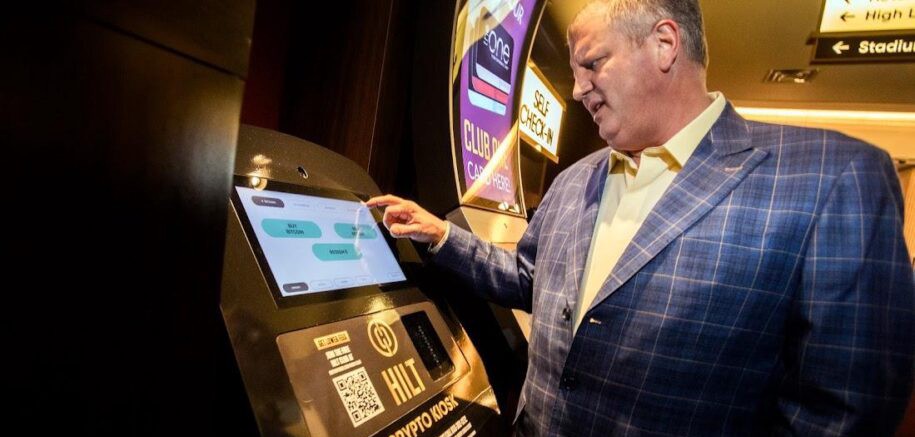
On a typical weekday, millions of dollars move through internet casinos before most people finish their morning coffee. Bank cards, e-wallets, tokens, and coins all compete for space in a cashier window that once offered only a handful of options.
What appears to be a simple deposit button now reflects a complex ecosystem built around speed, security, and user trust.
Behind the scenes, payment technology has become one of the most important forces shaping online gaming. As digital finance evolves, so does the way players fund accounts, withdraw winnings, and judge whether a platform feels reliable.
Why Digital Payments Matter More Than Ever in Online Gaming
Online casinos and sportsbooks depend on frictionless money movement. Delays at the cashier level can end a player relationship faster than a bad game session. Instant deposits and fast withdrawals are no longer bonuses but expectations, especially among users accustomed to real time transfers in everyday finance.
Payment options also shape trust. Clear disclosures, predictable processing times, and visible safeguards help users feel in control of their money. When platforms fall short, those weaknesses tend to surface quickly in player behavior. Coverage that focuses on these details helps explain why certain casinos retain users while others struggle despite similar game libraries.
From Credit Cards to Crypto: The Evolution of Gaming Payments
In the early days of online casinos, credit and debit cards dominated. Transactions were slow, declines were common, and fees were often unclear. For many players, funding an account felt closer to an international purchase than a modern financial transaction.
The rise of e-wallets changed that dynamic. Services that sat between banks and casinos offered convenience, faster processing, and an extra layer of privacy. Prepaid vouchers added another option for users who preferred to control spending tightly.
Cryptocurrency introduced a different shift altogether. Faster settlement, lower fees, and borderless transfers attracted both operators and players, particularly outside tightly regulated markets. Over time, these methods matured, and some concepts filtered back into regulated environments through improved verification, compliance tools, and hybrid payment models.
Today, most major platforms offer a mix of traditional banking, digital wallets, and, in some cases, token based options. Understanding how these methods compare has become essential for players navigating an increasingly complex cashier landscape.
How Payment Platforms Monitor Emerging Technologies
Tracking payment trends requires more than reading press releases. Analysts regularly review cashier pages, test deposit and withdrawal flows, and document changes in limits, fees, and processing speed. When a casino introduces a new funding option or quietly removes one, that shift often signals deeper changes in banking partnerships or regulatory comfort.
Promotions tied to specific payment methods are another important indicator. When casinos offer exclusive bonuses or reduced fees for certain deposit types, it often reflects strategic priorities behind the scenes. By documenting these patterns, payment coverage reveals which technologies operators are actively pushing and why.
Guides and comparisons are updated as new methods gain traction. A payment option that starts on offshore platforms may eventually appear at licensed sites once compliance hurdles are cleared. When that happens, it moves from a trend story into mainstream analysis.
Data Signals Used to Understand Player Payment Behavior
Even without access to internal operator data, industry trends are visible through consistent signals. Settlement speed is one of the clearest. Methods that move funds quickly tend to rise in popularity, especially when paired with reliable withdrawals.
Fee transparency matters just as much. Low advertised costs mean little if conversion charges or hidden processing fees eat into balances. Tracking real world costs helps players understand the true price of convenience.
Transparency itself is another signal. Payment systems that allow users to verify transactions, whether through detailed receipts or public ledgers, often inspire greater confidence. Explaining these features in accessible language bridges the gap between technical systems and everyday use.
Case Studies: When Payment Innovation Changes Online Gaming
When payment technology improves, the effects extend beyond the cashier. Faster settlement enables quicker bonus releases, smoother loyalty rewards, and more dynamic promotional structures. In some markets, token based systems have allowed operators to automate rewards that once required manual approval.
These shifts also influence player expectations. Once users experience instant withdrawals or near real time confirmation, slower methods feel outdated. Payment innovation therefore becomes a competitive advantage, reshaping how platforms design their entire user experience.
Security, Regulation, and Player Protection
Speed alone is not enough. Secure handling of financial data, compliance with licensing rules, and clear limits are essential to responsible gaming. Encryption, independent audits, and approved payment partners form the baseline for trustworthy platforms.
In regulated markets, payment systems must support identity checks, geolocation controls, and detailed record keeping. Coverage that examines these requirements helps users understand why certain methods are available in some regions but not others.
Equally important are tools that help players control spending. Deposit caps, withdrawal limits, and self exclusion features ensure that convenience does not come at the expense of safety.
What Comes Next for Digital Payments in Online Gaming
Payment technology continues to evolve beyond early blockchain experiments. Faster transaction layers, smarter fraud detection, and tokenized loyalty systems are already emerging. These developments may further blur the line between financial tools and in game mechanics.
The intersection of payments and gaming is no longer a niche topic. It is a defining feature of modern online casinos, shaping how players interact with platforms today and how they will engage with digital wagering in the years ahead.