Ký hiệu ticker là gì?
Ký hiệu ticker là một dạng viết tắt ngắn gọn dùng để nhận diện một tài sản.
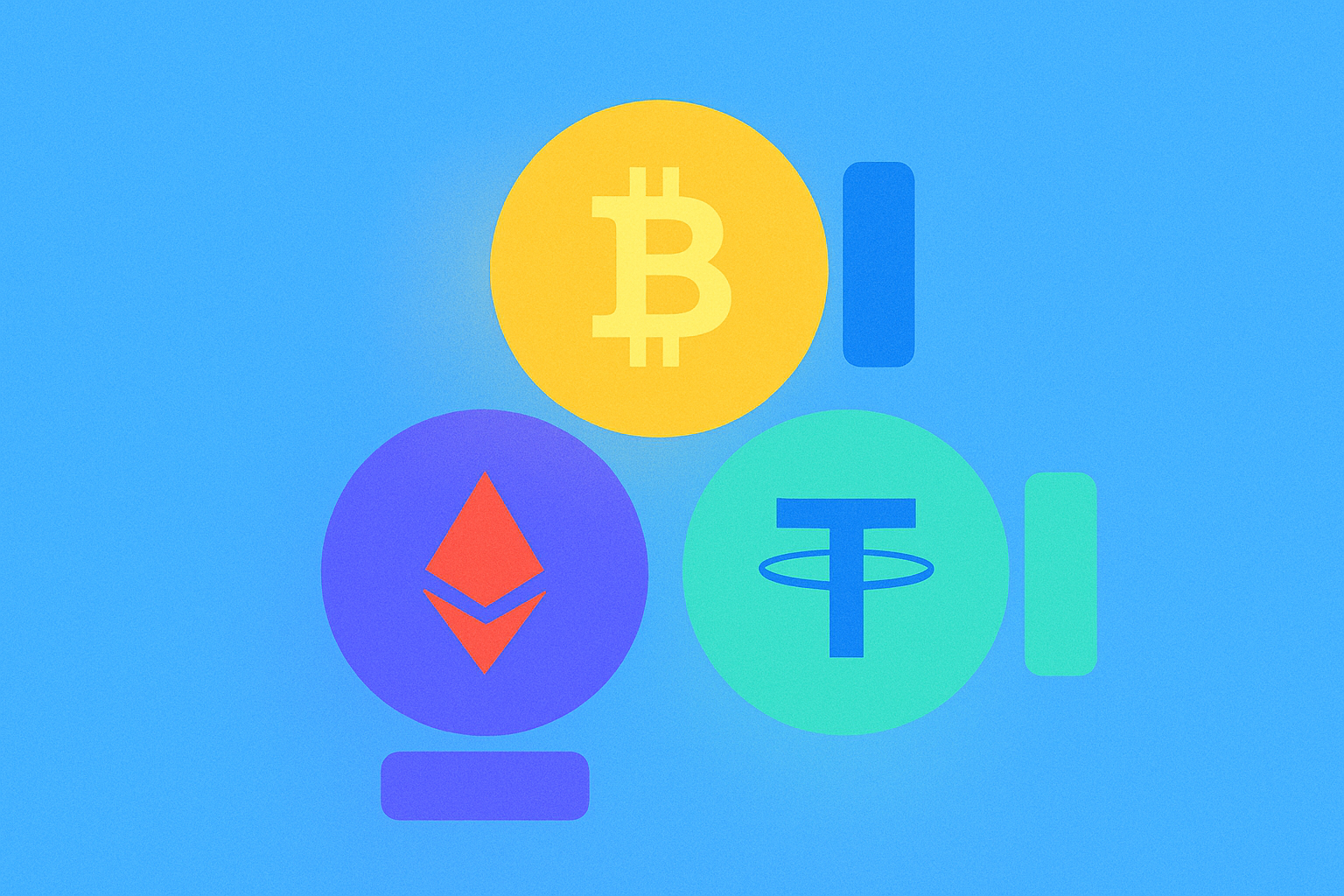
Trên các sàn giao dịch hoặc blockchain, ký hiệu ticker bao gồm một nhóm ký tự ngắn, đóng vai trò là mã nhận diện nhanh cho tài sản hoặc cặp giao dịch cụ thể. Chẳng hạn, “BTC” và “ETH” đại diện cho tài sản, còn “BTC/USDT” là cặp giao dịch. Ký hiệu ticker giúp việc niêm yết và tìm kiếm trở nên hiệu quả, nhưng không mang tính duy nhất toàn cầu; một ký hiệu có thể được nhiều dự án hoặc blockchain khác nhau sử dụng lại.
Trong hợp đồng token on-chain, ký hiệu ticker thường được xác định ở trường “symbol” của hợp đồng. Trên các sàn giao dịch, ký hiệu ticker dùng cho cả tài sản và cặp giao dịch, giúp người dùng dễ nhận biết và đặt lệnh qua giao diện nền tảng hoặc API.
Tại sao cần hiểu ký hiệu ticker?
Ký hiệu ticker ảnh hưởng trực tiếp đến độ chính xác khi đặt lệnh.
Nhiều người mới chỉ dựa vào ký hiệu ticker khi đặt lệnh, dễ dẫn đến mua nhầm tài sản có tên tương tự nhưng thuộc các dự án khác nhau. Ví dụ, tìm kiếm “PEPE” có thể xuất hiện nhiều dự án hoặc phiên bản trên các blockchain khác nhau. Hiểu đúng chức năng và giới hạn của ký hiệu ticker giúp bạn tránh mua nhầm tài sản, giảm thiểu rủi ro tài chính.
Ký hiệu ticker cũng làm rõ sự khác biệt giữa đồng cơ sở và đồng định giá. Ví dụ, với “BTC/USDT”, bạn mua BTC và giá được niêm yết theo USDT. Nếu nhầm lẫn hai đồng này, bạn có thể đặt lệnh sai chiều hoặc chọn nhầm cặp giao dịch, ảnh hưởng đến việc thực hiện lệnh và chi phí giao dịch.
Ký hiệu ticker hoạt động như thế nào?
Các sàn giao dịch và blockchain gán ký hiệu ticker theo quy ước.
Ở thị trường giao ngay, cặp giao dịch có định dạng “cơ sở/định giá”. Đồng cơ sở là tài sản bạn muốn mua; đồng định giá là đồng dùng để định giá. Ví dụ, “BTC/USDT” thì BTC là đồng cơ sở, USDT là đồng định giá—giá thể hiện số USDT cần thiết cho một BTC.
Trên chuỗi, ký hiệu ticker được ghi ở trường “symbol” của hợp đồng. Trường này không bắt buộc phải duy nhất, nên nhiều hợp đồng có thể dùng chung ký hiệu. Sự độc nhất của tài sản đến từ “địa chỉ hợp đồng”, không phải từ ký hiệu ticker.
Trong hợp đồng và thị trường phái sinh, ký hiệu ticker thường thêm yếu tố nhận diện. Ví dụ, “BTCUSDT-PERP” hoặc “BTC/USDT-PERP” chỉ hợp đồng vĩnh viễn. Một số sàn dùng dấu gạch dưới hoặc gạch chéo để phân biệt cặp (như “BTC_USDT” hoặc “BTC/USDT”). Trên Gate, cặp giao ngay thường là “BTC/USDT”, còn API dùng “BTC_USDT”; trang hợp đồng vĩnh viễn hiển thị rõ “perpetual” để dễ nhận biết.
Ký hiệu ticker được sử dụng như thế nào trong crypto?
Ký hiệu ticker xuất hiện rộng rãi ở giao ngay, phái sinh và môi trường on-chain.
Trong giao dịch giao ngay, màn hình giao dịch và danh sách thị trường đều hiển thị ký hiệu ticker. Ví dụ, tìm kiếm “BTC” trên Gate sẽ trả về các cặp như “BTC/USDT” hoặc “BTC/USDC”, giúp bạn chọn đồng định giá phù hợp và thị trường thanh khoản cao.
Với hợp đồng vĩnh viễn, bạn sẽ thấy ký hiệu như “BTCUSDT Perpetual”. Quan hệ giữa đồng cơ sở và đồng định giá không thay đổi; nhãn “Perpetual” giúp phân biệt với hợp đồng giao hàng và giao dịch giao ngay.
Trong ví hoặc trình khám phá blockchain, ký hiệu token xuất hiện cùng tên mạng, ví dụ “USDT (ERC-20)” hoặc “USDT (TRC-20)”. Ký hiệu giống nhau nhưng mạng và địa chỉ hợp đồng khác nhau—giao dịch chuyển và nạp tiền phải đúng mạng để tránh mất hoặc không truy cập được tài sản.
Cách đặt lệnh bằng ký hiệu ticker
Tìm kiếm và xác thực ký hiệu ticker trước khi giao dịch.
Bước 1: Tìm ký hiệu bạn cần trên Gate. Nhập tên tài sản hoặc cặp giao dịch (ví dụ: “BTC/USDT”), kiểm tra khối lượng và chênh lệch giá, rồi chọn thị trường có thanh khoản tốt hơn.
Bước 2: Xác nhận đồng cơ sở và đồng định giá. Nếu muốn mua BTC, chọn “BTC/USDT”; nếu có USDC và muốn dùng làm đồng định giá, chọn “BTC/USDC”.
Bước 3: Kiểm tra địa chỉ hợp đồng và mạng. Với coin mới niêm yết hoặc tài sản trùng ký hiệu, hãy mở trang chi tiết tài sản và xác thực mạng cùng địa chỉ hợp đồng khớp với thông tin từ dự án chính thức.
Bước 4: Chọn loại lệnh và mức giá. Dùng lệnh giới hạn để đặt giá chính xác hoặc lệnh thị trường để khớp ngay. Nhập số lượng mong muốn, rồi đặt lệnh—lưu ý phí giao dịch và mức giao dịch tối thiểu.
Bước 5: Kiểm tra kết quả khớp lệnh và tài sản. Xem lại tài sản đã mua trong “Lịch sử lệnh/Tài sản” để chắc chắn bạn đã mua đúng đồng cơ sở; nếu cần, xác nhận cặp giao dịch trùng với đồng định giá mong muốn.
Xu hướng và dữ liệu mới về ký hiệu ticker
Số lượng tăng, trùng lặp nhiều hơn, gây nhầm lẫn nhiều hơn.
Năm 2025, dữ liệu ngành cho thấy cả số lượng tài sản giao dịch và cặp giao dịch đều tiếp tục tăng. Đến quý 3 năm 2025, CoinGecko ghi nhận hơn 14.000 tài sản crypto và hơn 110.000 cặp giao dịch liên sàn. Năm 2024 chỉ có khoảng 13.000 tài sản và 95.000 cặp giao dịch—xu hướng tăng rõ rệt. Điều này đồng nghĩa ngày càng nhiều ký hiệu ticker mới xuất hiện, đòi hỏi bạn phải tìm kiếm và xác thực kỹ càng hơn.
Trong 6 tháng qua, các cặp giao dịch định giá bằng USDT vẫn chiếm ưu thế. Dữ liệu tổng hợp từ quý 2–quý 3 năm 2025 cho thấy các cặp định giá bằng USDT chiếm hơn 70% trên hầu hết các sàn lớn. Nguyên nhân là stablecoin đóng vai trò đơn vị kế toán chung, giúp so sánh và phòng hộ giữa các nền tảng, tài sản thuận tiện hơn.
Việc trùng hoặc giống ký hiệu ticker ngày càng phổ biến. Xu hướng coin MEME vẫn mạnh trong năm 2025, với nhiều dự án phái sinh có ký hiệu giống hoặc tương tự trên các blockchain và dự án khác nhau (ví dụ: nhiều dự án “PEPE” hoặc “SHIB”). Mỗi sàn thường đảm bảo tính duy nhất của ticker trong nội bộ, nhưng không thể đảm bảo giữa các nền tảng hoặc on-chain—vì vậy cần xác thực cả địa chỉ hợp đồng và mạng.
Sự khác biệt giữa ký hiệu ticker và tên coin là gì?
Ký hiệu ticker là viết tắt; tên coin là tên đầy đủ.
Ký hiệu ticker là nhãn ngắn gọn, dễ nhớ—như “BTC”—còn tên coin là tên đầy đủ (ví dụ: “Bitcoin”). Mỗi cặp tương ứng một-một nhưng phục vụ mục đích khác nhau. Khi trùng tên, thường là do ký hiệu giống nhau nhưng tên coin và dự án khác nhau—do đó cần xác thực thêm.
Ký hiệu ticker cũng không thay thế được địa chỉ hợp đồng. Độ độc nhất của tài sản on-chain phụ thuộc vào địa chỉ hợp đồng; cùng một ký hiệu có thể tồn tại trên nhiều mạng hoặc dự án. Thực tế, hãy dùng ký hiệu ticker để điều hướng nhanh nhưng luôn xác thực qua địa chỉ hợp đồng chính thức và trang chi tiết tài sản trên sàn.
- Smart Contract: Chương trình tự động thực thi trên blockchain, cho phép giao dịch không cần bên trung gian.
Câu hỏi thường gặp
Ký hiệu ticker là gì?
Ký hiệu ticker là mã ký tự ngắn dùng để nhận diện duy nhất một tài sản, giúp nhận biết và giao dịch nhanh chóng. Ví dụ, ký hiệu ticker của Bitcoin là BTC; của Ethereum là ETH. Trên Gate, bạn có thể tìm coin nhanh bằng cách nhập ký hiệu ticker.
Khác biệt giữa Dealer và Trader là gì?
Dealer là nhà tạo lập thị trường, kiếm lợi nhuận từ chênh lệch giá mua và bán; Trader tìm kiếm lợi nhuận bằng cách mua thấp bán cao. Nhà đầu tư cá nhân thường là Trader—mua bán tài sản crypto trên Gate để kiếm lợi nhuận.
Tại sao cần phân biệt ký hiệu ticker và tên coin?
Tên coin là tên chính thức đầy đủ (ví dụ: Bitcoin), còn ký hiệu ticker là mã viết tắt (ví dụ: BTC), giúp nhập liệu và nhận diện nhanh. Một coin có thể có ký hiệu cặp giao dịch khác nhau trên từng sàn, nên cần nắm rõ ký hiệu ticker.
Người mới nên dùng ký hiệu ticker để đặt lệnh nhanh trên Gate như thế nào?
Nhập ký hiệu ticker (như BTC hoặc ETH) vào thanh tìm kiếm giao diện giao dịch của Gate để nhanh chóng tìm cặp giao dịch liên quan. Sau đó chọn chiều giao dịch và số lượng để đặt lệnh. Nên luyện tập với giao dịch thử nghiệm trước để quen với việc tìm ticker và đặt lệnh trước khi giao dịch thật.
Ký hiệu chính vẫn giữ nguyên (ví dụ: BTC luôn là Bitcoin), nhưng ký hiệu cặp giao dịch đầy đủ có thể khác nhau giữa các sàn. Ví dụ, BTC/USDT trên Gate có thể có hậu tố khác so với Binance—luôn xác nhận tên cặp giao dịch đầy đủ trước khi đặt lệnh.
Đọc thêm