Yusfirah

vip
Age 1.3 Year
Peak Tier 5
No content yet
  • Reward
  • 3
  • Repost
  • Share
SoominStar:
To The Moon 🌕
View More
EagleEye
#BitcoinSpotVolumeNewLow
📉 Bitcoin Spot Volume Hits Multi-Month Lows Calm Before the Storm or Strategic Silence?
The latest data shows that daily spot trading volume for Bitcoin has fallen below the $8 billion mark, reaching its lowest levels since October 2023. This sharp contraction down nearly 70–80% from peak activity — is not just a statistic, but a signal worth paying close attention to. At first glance, such a drop might suggest that interest in the market is fading or that momentum has stalled. However, financial markets, especially crypto, rarely operate in such a straightforward manner. Volume is not just about participation; it reflects conviction, sentiment, and the balance between buyers and sellers. When volume declines to this extent, it often indicates that both sides are stepping back, waiting for clearer signals before committing capital. This creates a unique environment where price may appear stable or sluggish, but underlying dynamics are quietly shifting. Rather than chaos or panic, what we are witnessing could be a structured pause — a moment where the market digests previous moves, reassesses valuation, and prepares for what comes next. Historically, these quieter periods have often played a crucial role in shaping the trajectory of future trends, acting as the foundation upon which the next wave of volatility is built.
Low-volume conditions are frequently misunderstood, particularly by newer participants who associate activity with opportunity. In reality, experienced traders and institutional players often thrive in these quieter phases. When liquidity is thinner and attention is lower, it becomes easier for large entities to accumulate or distribute positions without significantly impacting price. This concept, often referred to as stealth accumulation, has been observed repeatedly in the history of Bitcoin and other financial assets. Instead of chasing momentum, smart money tends to position itself during periods of uncertainty and reduced noise. Additionally, compressed volume environments tend to coincide with reduced volatility, but this calm is rarely permanent. Markets operate like coiled springs — the longer they remain compressed, the more powerful the eventual release tends to be. Even relatively small inflows or outflows of capital can trigger outsized price movements when overall participation is low. This is why seasoned analysts pay close attention to declining volume: not because it signals the end of activity, but because it often precedes a significant shift. Whether that shift manifests as a breakout or a breakdown depends on a complex interplay of factors, but the setup itself is undeniably important.
Another dimension to consider is the psychological state of the market. After periods of intense trading, rapid price swings, and widespread attention, fatigue naturally sets in. Retail participants, who often drive short-term momentum, may step back after experiencing volatility or uncertainty. Social media discussions quiet down, search trends decline, and the sense of urgency that once dominated the market begins to fade. This cooling-off period can create the impression that the market is losing relevance, but in reality, it is undergoing a necessary reset. During this phase, weaker hands are gradually shaken out, leaving behind participants with stronger conviction and longer time horizons. Meanwhile, institutional investors and strategic players continue to analyze macroeconomic conditions, regulatory developments, and technological progress within the crypto space. The absence of visible excitement does not equate to inactivity; rather, it suggests a transition from emotional, reaction-driven trading to more deliberate and calculated positioning. This shift is often essential for building sustainable trends, as it reduces the likelihood of abrupt reversals driven purely by hype or fear. In many ways, the silence we observe in low-volume periods can be more meaningful than the noise of high-activity phases.
Ultimately, the question remains: what comes next? Is this subdued environment the calm before a bullish expansion, or simply a pause before further uncertainty unfolds? The truth is that markets rarely provide clear answers in advance. What can be said with confidence, however, is that periods like this demand patience, discipline, and awareness. They are not typically the moments where impulsive decisions are rewarded; instead, they favor those who take the time to observe underlying trends, monitor key indicators, and prepare for multiple scenarios. History suggests that when volume contracts to such levels, it is often followed by a resurgence in activity — and that resurgence rarely arrives quietly. Whether driven by macroeconomic catalysts, institutional flows, or shifts in sentiment, the next major move in Bitcoin is likely to be decisive. For those paying attention, this phase is less about immediate action and more about strategic preparation. Because when the market finally breaks its silence, the window to react may be much smaller than expected.

repost-content-media
  • Reward
  • 10
  • Repost
  • Share
MrFlower_XingChen:
To The Moon 🌕
View More
ybaser
#DeFiLossesTop600MInApril
#Gate广场五月交易分享
A US court has blocked the transfer of $73 million worth of frozen Ether from the Kelp attack due to an $877 million lawsuit linked to North Korea.
The US court's decision has prevented the transfer of $73 million of frozen Ether from the Kelp attack.
The law firm is demanding that this money be used to pay its clients $877 million in damages stemming from North Korea.
If the process continues in this way, $ETH victims may receive their money even later.
Critical situation: The risk of victims suffering a second loss is being discussed.
The US-based law firm Gerstein Harrow obtained a court order to block the transfer of frozen Ether from the Kelp attack, citing the $877 million damages claim against North Korea. According to the official order issued by the New York district court, Arbitrum DAO is prohibited from transferring the frozen Ether funds elsewhere. Gerstein Harrow states in its filing that its clients were awarded a total of $877 million in damages in three separate lawsuits against North Korea in 2010, 2015, and 2016. The company also claims that the frozen Ether belongs to hacker groups linked to the North Korean state.
Last April, Kelp DAO suffered a massive $292 million attack. The attack is believed to have been carried out by TraderTraitor, a group identified as a subgroup of the notorious Lazarus Group hacker network, which is allegedly supported by North Korea. Shortly after the incident, the Arbitrum Security Council urgently froze 30,766 Ether (approximately $73 million) in a wallet linked to the attack. Subsequently, discussions arose regarding how these funds should be used.
Five days after the attack, Aave Labs proposed to Arbitrum DAO that the frozen Ether be unfrozen and transferred to a fund called "DeFi United" to compensate rsETH holders for their losses. However, legal claims regarding ownership of the frozen funds complicated the process.
US Law Firm Claims: Claim for Compensation and Efforts to Seize Funds
The Gerstein Harrow law firm states that its clients have receivables from three separate lawsuits filed against North Korea, and therefore the frozen Ether should be considered "assets belonging to North Korea." Attorney Charlie Gerstein, in a post on the Arbitrum DAO forum, explained that an official letter from a US court prevented Arbitrum DAO from transferring Ether, and that violating the decision would have severe consequences.
A member of the Arbitrum DAO community, using the pseudonym Zeptimus, pointed out that if the law firm succeeds, the debt belonging to North Korea could be transferred to those affected by the Kelp DAO attack.
Other members of the DAO believe that this obstacle to the frozen funds reaching the real victims is unfair and that those who suffered the most will be victimized a second time.
Legal disputes and previous examples in crypto funds
Gerstein Harrow has previously made similar claims on funds allegedly originating from North Korea and frozen on various exchanges or projects. It is known that an application was filed in February for assets frozen on Tether following the Heco Bridge attack in 2023. Furthermore, the firm was actively involved in a $1.5 billion hack on another crypto exchange and in class action lawsuits against various DAOs.
The blockchain researcher accused the firm of using its own research as evidence in the legal proceedings. The firm's website shows three active lawsuits.
North Korean-linked actors are known to have been involved in numerous hacking incidents in April that resulted in total losses of at least $578 million in the cryptocurrency ecosystem, and their names have been mentioned in some of the biggest cyberattacks in the sector.
‍$ETH $ARB
repost-content-media
  • Reward
  • 11
  • Repost
  • Share
MrFlower_XingChen:
To The Moon 🌕
View More
#DeFiLossesTop600MInApril 🚨 | The Month That Broke DeFi Confidence (May 2026 Reality)
April 2026 was not just another bad month for crypto — it was a structural warning.
Data across multiple on-chain and security reports confirms that DeFi losses exceeded $600 million, making it one of the most severe security breakdowns in recent history.
But here’s the truth most traders are missing:
👉 This wasn’t about “more hacks”
👉 This was about smarter, larger, and more targeted attacks
---
1. The Real Scale: Few Attacks, Massive Damage
Total losses: $600M+
Number of incidents: ~13–30 protocols affe
SOL-0.83%
BTC0.8%
AylaShinex
#DeFiLossesTop600MInApril 🚨 | The Month That Broke DeFi Confidence (May 2026 Reality)
April 2026 was not just another bad month for crypto — it was a structural warning.
Data across multiple on-chain and security reports confirms that DeFi losses exceeded $600 million, making it one of the most severe security breakdowns in recent history.
But here’s the truth most traders are missing:
👉 This wasn’t about “more hacks”
👉 This was about smarter, larger, and more targeted attacks
---
1. The Real Scale: Few Attacks, Massive Damage
Total losses: $600M+
Number of incidents: ~13–30 protocols affected
Two hacks alone ≈ $577M (majority of total losses)
This changes the narrative completely.
👉 The problem is no longer frequency
👉 The problem is precision attacks with massive impact
---
2. The Two Mega Exploits That Shocked the Market
Drift Protocol (Solana) — ~$285M Loss
Exploit executed in minutes after weeks of preparation
Funds rapidly bridged across chains
Showed how attackers now operate like professional trading desks
---
KelpDAO / Bridge Exploit — ~$292M Loss
Cross-chain vulnerability exploited
Pushed total monthly losses beyond $600M
Linked to state-backed hacker groups
---
⚠️ Critical Insight
These were not random hacks —
They were engineered financial attacks targeting liquidity hubs.
---
3. The Rise of State-Level Crypto Warfare
Reports show that North Korea–linked groups were responsible for up to:
👉 76% of total stolen value in April 2026
This is a massive shift.
DeFi is no longer just facing:
Retail hackers ❌
Small exploiters ❌
It is now facing:
State-sponsored cyber operations ✅
---
4. Why Even “Mature” DeFi Failed
The biggest shock wasn’t the losses —
It was where they happened.
Attacks targeted:
Cross-chain bridges
Derivatives platforms
Lending protocols
These are supposed to be the most advanced sectors of DeFi.
👉 Meaning: maturity ≠ security
---
5. Market Impact: The Flight to Safety
Liquidity Collapse
DeFi TVL dropped sharply after major exploits
Billions withdrawn from protocols
---
Confidence Breakdown
Institutional hesitation increased
Security became the #1 barrier to adoption
---
Capital Rotation
Funds moved to:
Centralized exchanges
Stablecoins
Bitcoin
👉 “Secure BTC” narrative got stronger
---
6. The Bigger Pattern (This Is What Matters Most)
April revealed a dangerous evolution:
Old DeFi Risk Model
Bugs
Smart contract errors
Rug pulls
New DeFi Risk Model (2026)
Multi-step logic exploits
Cross-chain manipulation
Infrastructure attacks
AI-enhanced phishing
👉 This is no longer coding risk
👉 This is financial system warfare
---
7. Why This Changes the Future of DeFi
This event is already triggering:
Calls for strict security standards
Demand for institutional-grade audits
Pressure for regulation of DeFi protocols
Even major institutions now see security as the main adoption barrier.
---
💡 Strategic Takeaway (For Smart Traders)
This is not just bearish news — it’s a market signal:
❌ Weak protocols will disappear
❌ Risky yields will be questioned
✅ Strong, secure ecosystems will dominate
---
⚡ The Real Question
If DeFi can lose $600M in a single month despite years of development…
👉 Will the next phase be innovation
👉 Or regulation and control?
---
Final Thought
April 2026 proved one brutal truth:
👉 In DeFi, security is now more important than yield
And the market is starting to price that in.
---
Disclaimer: This analysis is based on April–May 2026 security data and reports. Crypto markets carry high risk — always prioritize security and risk management.
#DeFi #CryptoSecurity #Ethereum #GateSquareMayTradingShare
repost-content-media
  • Reward
  • 9
  • Repost
  • Share
MrFlower_XingChen:
To The Moon 🌕
View More
discovery
#TapAndPayWithGateCard
My Tap & Pay Experience with Gate Card
One of the most practical crypto developments of May: Gate Card now supports contactless payment. With your physical or virtual Gate Visa card, you can spend your crypto balance with a single “tap” — from the grocery store to the café, online shopping to overseas spending.
Why It Matters?
1. Instant Conversion: It instantly converts 20+ assets, including $BTC, $ETH, $USDT, to fiat and pays. Exchange rates and fees are optimized through Gate.io’s reserve-backed system. The reserve ratio is 128.57%, your assets are safe. 2. Cashback Benefit: Up to 1% crypto cashback on Gate Card spending. You accumulate while paying with DOGE, XRP, BTC. 3. Global Usage: Works anywhere Visa is accepted in 210+ countries. No hassle with currency conversion abroad, the card automatically applies the best rate. 4. Security: 3D Secure, instant notifications, freeze/cancel from the app. You set your own spending limits.
My Use Case:
I paid for my morning coffee with $DOGE, and did my grocery shopping at noon with my $XRP balance. No need to transfer from wallet to exchange, then to bank account — it pulls directly from the card. It’s also psychologically satisfying to spend while in profit, especially with $XRP up 1.37% this month in May and DOGE up 10.92% this week.
May Campaign: Surprise airdrops and cashback boosts are coming for those who share their experience on Gate Square with the #TapAndPayWithGateCard tag. Make your first tap and share it on Square.
Crypto is no longer just HODL, it’s now a daily spending tool. The “Pay with Crypto” era has officially begun.
#GateSquareMayTradingShare
#Gate广场五月交易分享
#TapAndPayWithGateCard
Note: This post is not financial advice. Always do your own research (DYOR).
repost-content-media
  • Reward
  • 7
  • Repost
  • Share
MrFlower_XingChen:
To The Moon 🌕
View More
#TapAndPayWithGateCard
Tap. Pay. Live Freely How Crypto Is Quietly Transforming Everyday Spending Into a Seamless, Borderless Experience
The way we interact with money is evolving faster than ever, and one of the most noticeable shifts is how digital assets are beginning to merge with daily life. With tools like the Gate Card, crypto is no longer something that exists only inside exchanges or long-term investment portfolios — it’s becoming a functional part of everyday transactions. Imagine walking into your favorite café, ordering your usual coffee, and paying instantly with your phone, with
EagleEye
#TapAndPayWithGateCard
Tap. Pay. Live Freely How Crypto Is Quietly Transforming Everyday Spending Into a Seamless, Borderless Experience
The way we interact with money is evolving faster than ever, and one of the most noticeable shifts is how digital assets are beginning to merge with daily life. With tools like the Gate Card, crypto is no longer something that exists only inside exchanges or long-term investment portfolios — it’s becoming a functional part of everyday transactions. Imagine walking into your favorite café, ordering your usual coffee, and paying instantly with your phone, without thinking twice about whether the funds came from fiat or crypto. That’s the kind of frictionless experience being built right now. The complexity of blockchain technology is being abstracted away, leaving behind something simple, intuitive, and universally accessible. This shift represents more than just convenience; it marks a transition from crypto as a speculative asset class to crypto as a usable financial tool. And as this transition unfolds, it challenges long-standing assumptions about how money should move, how quickly it should settle, and how easily it should integrate into daily routines across different environments and economies.
One of the biggest hurdles in crypto adoption has always been usability. While millions of users have become comfortable buying, holding, and trading digital assets, the act of actually spending them in the real world has often been limited or cumbersome. The Gate Card addresses this gap by aligning crypto spending with the existing global payments infrastructure. Instead of requiring merchants to adopt entirely new systems, it allows users to plug into what already works — point-of-sale terminals, online checkouts, and contactless payment systems. This is a crucial development because mass adoption rarely comes from forcing change on the entire ecosystem at once; it comes from integrating new technology into familiar experiences. By enabling crypto to function within the frameworks people already trust and understand, the barrier to entry drops significantly. Users don’t need to learn new behaviors or navigate complex interfaces — they simply use their funds the same way they always have, with the added flexibility of choosing between traditional and digital currencies.
Beyond convenience, there is a deeper financial narrative at play. The ability to spend crypto effortlessly introduces a new level of liquidity and utility into the ecosystem. Assets that were once held passively can now circulate more actively, contributing to a more dynamic and interconnected financial environment. The Gate Card effectively turns crypto into a bridge between decentralized finance and everyday commerce, allowing value to move fluidly between digital wallets and real-world transactions. This has implications not just for individual users, but for the broader perception of crypto itself. When people begin to see digital assets as something they can rely on for everyday needs — whether it’s transportation, food, shopping, or services — the narrative shifts from speculation to practicality. Over time, this could help stabilize the ecosystem by encouraging more consistent usage patterns rather than purely reactionary trading behavior driven by market volatility.
Another important aspect to consider is accessibility. Financial systems around the world are not equally developed, and millions of people still face barriers when it comes to traditional banking services. Solutions like the Gate Card have the potential to lower these barriers by providing an alternative pathway into the global economy. With just a smartphone and access to digital assets, users can participate in transactions that were previously difficult or impossible. This kind of inclusivity is one of the foundational promises of blockchain technology — the idea that financial tools should be open, flexible, and not limited by geography or institutional constraints. While we are still in the early stages of this transformation, each incremental improvement in usability and accessibility brings that vision closer to reality.
Of course, this evolution does not come without challenges. Regulatory frameworks, security considerations, and user education all play critical roles in shaping how quickly and effectively these solutions can scale. Trust remains a key factor, especially when dealing with financial tools that bridge traditional and decentralized systems. However, progress in these areas has been steady, and the growing presence of user-friendly products like the Gate Card suggests that the industry is moving in the right direction. As more people begin to interact with crypto in practical, everyday contexts, confidence in the technology is likely to grow. This, in turn, can create a positive feedback loop, encouraging further innovation and adoption across the ecosystem.
At its core, the shift toward seamless crypto payments is about redefining what money can be and how it can be used. It’s about removing friction, expanding choice, and giving users greater control over their financial lives. The idea of carrying a single card — or even just a phone — that allows you to move effortlessly between digital and traditional currencies is no longer a distant vision; it’s becoming a present-day reality. The Gate Card embodies this transition, offering a glimpse into a future where financial systems are more integrated, more flexible, and more aligned with the needs of a digital-first world. And as this future continues to unfold, one thing becomes increasingly clear: the line between crypto and everyday life is fading, replaced by a more unified and seamless financial experience that works wherever you are, whenever you need it.
repost-content-media
  • Reward
  • 7
  • Repost
  • Share
MrFlower_XingChen:
To The Moon 🌕
View More
AylaShinex
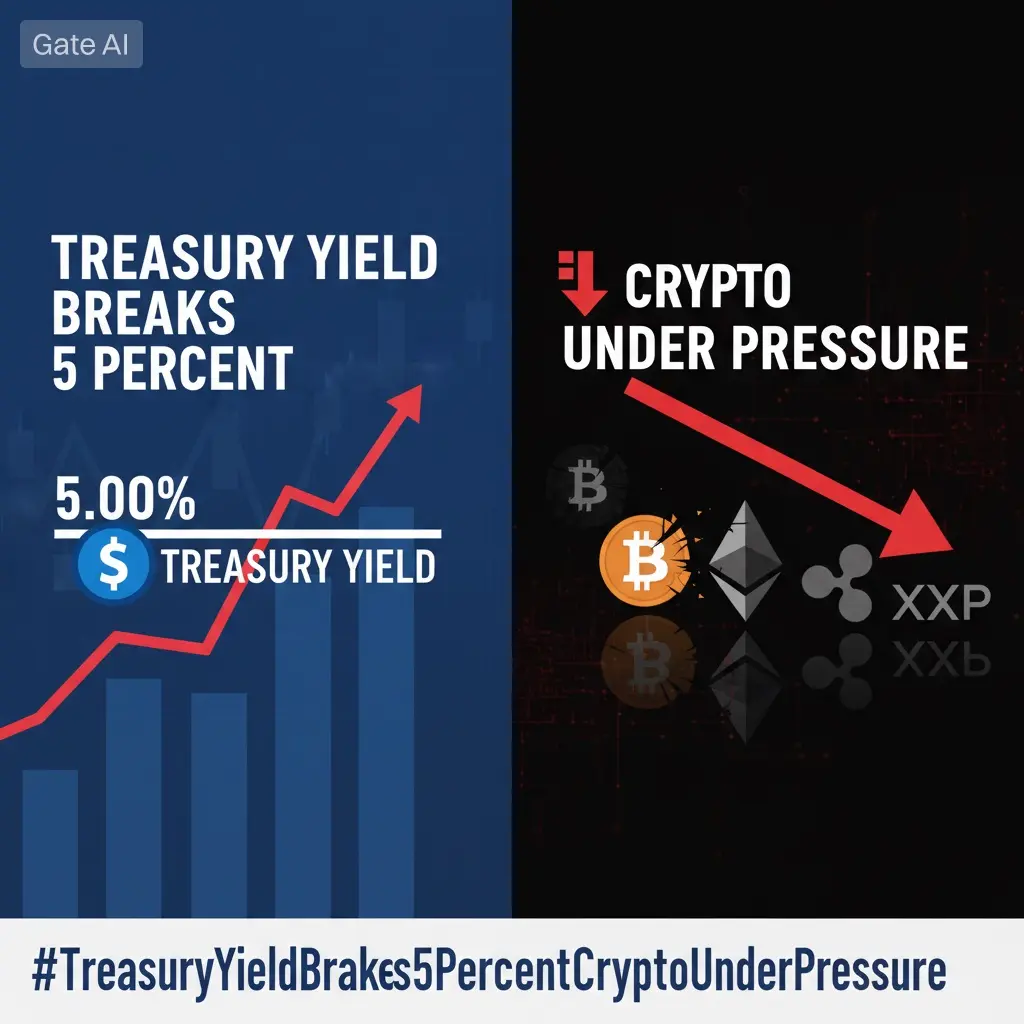
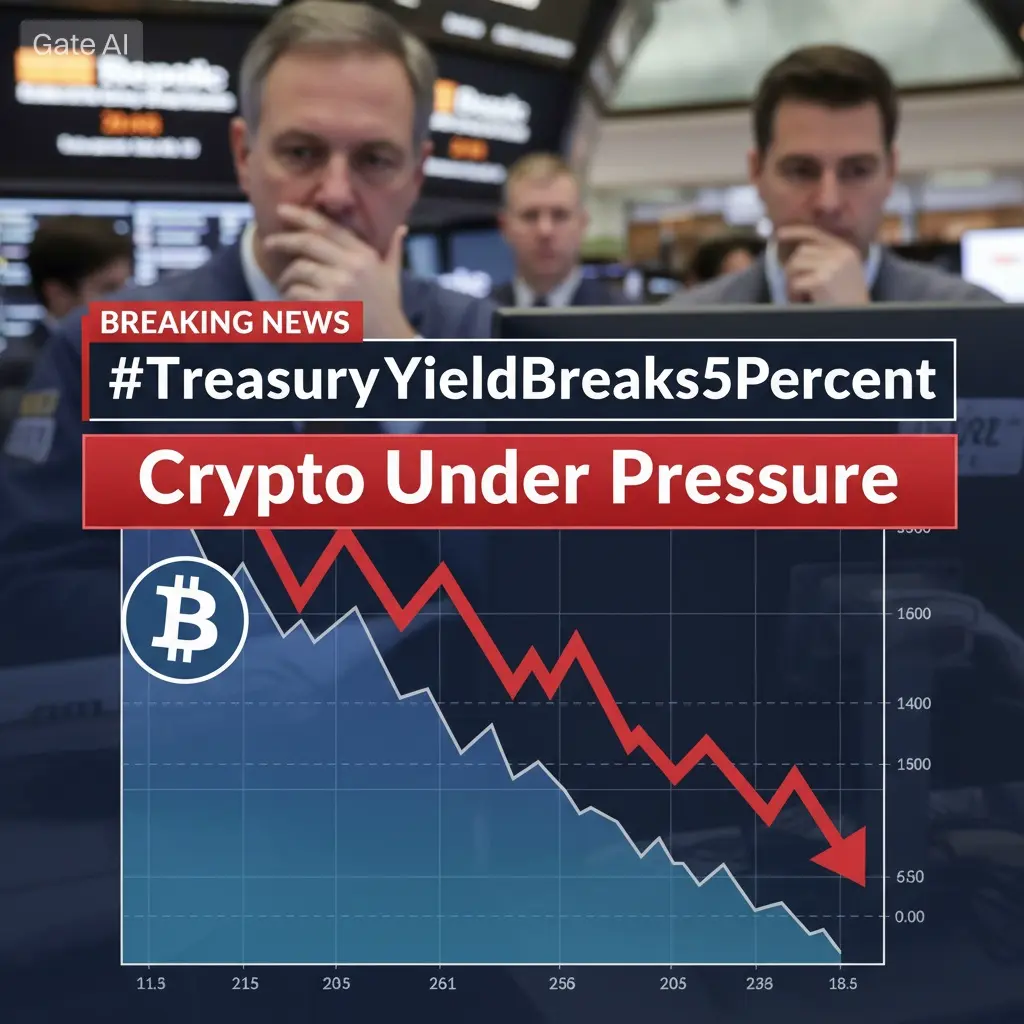
#TreasuryYieldBreaks5PercentCryptoUnderPressure 📉 | May 3, 2026
As of today, the global macro environment has entered a critical pressure zone after the U.S. long-term Treasury yield pushed toward the 5% level—a threshold that historically reshapes capital flow across all markets. This is not just a bond market event; it’s a system-wide liquidity shift directly impacting crypto.
---
1. The 5% Yield Barrier – Why It Changes Everything
The U.S. Treasury yield is considered the “risk-free rate” in global finance. When this benchmark approaches or touches 5%, it creates a powerful alternative to risk assets.
Investors can now earn ~5% nearly risk-free returns from bonds
This increases the opportunity cost of holding assets like Bitcoin
Capital naturally rotates from high-volatility assets → stable yield instruments
Market analysts highlight that when yields reach this level, “every dollar in Bitcoin is a dollar not earning that 5% yield”
👉 This is the core reason why crypto faces pressure—not because fundamentals weaken, but because capital reallocates.
---
2. Liquidity Tightening – The Real Market Driver
Rising yields are not happening in isolation. They reflect deeper macro conditions:
Persistent inflation pressure (especially energy-driven)
Central banks maintaining higher-for-longer interest rates
Stronger U.S. dollar tightening global liquidity
Higher yields also increase borrowing costs across the system, which reduces speculative activity in markets like crypto
👉 Result: Less leverage, less risk-taking, and slower capital inflow into crypto markets.
---
3. Immediate Impact on Crypto Markets
This macro shift is already translating into visible market behavior:
Bitcoin (BTC):
Holding key zones but facing heavy resistance on upside
Acting as a hybrid asset: part risk asset, part macro hedge
Altcoins:
Underperforming sharply
Experiencing liquidity drain and reduced trading volume
Market Structure:
Lower volatility phases mixed with sudden sharp moves
Increased correlation with macro indicators like yields and DXY
Analysts note that rising yields and a stronger dollar are tightening financial conditions, directly pressuring crypto valuations
---
4. The “Risk-Off” Rotation
We are currently in a classic risk-off environment:
Bonds → attractive (guaranteed yield)
Stocks → pressured (valuation compression)
Crypto → sensitive (depends on liquidity flow)
Historically, when yields rise aggressively:
Risk assets slow down or correct
Capital shifts toward safety and income generation
👉 This doesn’t kill crypto—it delays momentum.
---
5. Why This Phase Is Important (Not Just Bearish)
This is not simply a negative signal—it’s a structural reset phase:
Weak hands exit the market
Leverage gets flushed out
Strong capital accumulates at key levels
Crypto in 2026 is heavily macro-driven, meaning:
> Price is no longer controlled only by crypto fundamentals, but by global liquidity cycles
---
6. What Traders Should Watch Now
Key signals to monitor:
Yield Stability: Does it hold above 5% or reject lower?
Dollar Strength (DXY): Rising DXY = more pressure on crypto
Liquidity Signals: Any shift toward easing = bullish trigger
---
💡 Final Takeaway
The #TreasuryYieldBreaks5PercentCryptoUnderPressure narrative is not about crypto weakness—it’s about macro dominance.
Crypto fundamentals remain intact
Price is being capped by global capital flow dynamics
The market is transitioning into a liquidity-driven phase
👉 The real edge now is not just reading charts—it’s understanding macro liquidity cycles.
---
Question for the market:
Is this 5% yield environment a temporary spike… or the new normal that reshapes crypto’s entire cycle?
#Bitcoin #BTC #MacroMarkets #GateSquareMayTradingShare
repost-content-media
  • Reward
  • 9
  • Repost
  • Share
MrFlower_XingChen:
To The Moon 🌕
View More
##TreasuryYieldBreaks5PercentCryptoUnderPressure
Treasury Yields Hit 5% Is Liquidity Leaving Crypto Markets?
The global macro landscape is shifting again as the 30-year U.S. Treasury yield climbs to 5%, marking its highest level since mid-2025. This move in U.S. Treasury bonds is more than just a headline number — it represents a significant tightening in financial conditions and a powerful signal about where capital may flow next. When yields on long-duration government debt rise to these levels, they begin to offer something markets haven’t seen in a while: relatively attractive, lower-ri
BTC0.8%
EagleEye
#TreasuryYieldBreaks5PercentCryptoUnderPressure
Treasury Yields Hit 5% Is Liquidity Leaving Crypto Markets?
The global macro landscape is shifting again as the 30-year U.S. Treasury yield climbs to 5%, marking its highest level since mid-2025. This move in U.S. Treasury bonds is more than just a headline number — it represents a significant tightening in financial conditions and a powerful signal about where capital may flow next. When yields on long-duration government debt rise to these levels, they begin to offer something markets haven’t seen in a while: relatively attractive, lower-risk returns. For institutional investors, pension funds, and large capital allocators, this changes the equation. Instead of chasing higher returns in volatile or speculative markets, they can now achieve meaningful yield with significantly less risk exposure. This dynamic naturally creates competition for capital, pulling liquidity away from higher-risk assets and reshaping portfolio allocations across the board.
This shift becomes even more impactful when viewed alongside the stance of the Federal Reserve. Despite earlier hopes for policy easing, the Fed’s tone remains cautious, with a clear bias toward maintaining restrictive conditions until inflation is fully under control. Higher yields are not just a result of market forces — they are also a reflection of expectations that monetary policy will stay tighter for longer. This combination creates a challenging environment for liquidity-driven assets. When borrowing costs remain elevated and safe returns increase, the overall appetite for risk tends to decline. Financial conditions tighten not only through interest rates but also through reduced capital flows into speculative sectors. In effect, the system becomes less forgiving, and assets that depend heavily on liquidity and momentum begin to feel the strain.
The crypto market, including Bitcoin, is particularly sensitive to these macro shifts. Currently, Bitcoin remains range-bound between the $76K and $79K levels, reflecting a market caught between opposing forces. On one hand, there is continued long-term interest in digital assets, driven by institutional adoption narratives and evolving financial infrastructure. On the other hand, rising Treasury yields present a compelling alternative for capital — one that does not carry the same volatility or regulatory uncertainty. As a result, capital that might have previously flowed into crypto during lower-rate environments may now be diverted into fixed-income instruments. This doesn’t necessarily signal a collapse in crypto markets, but it does create a ceiling on momentum, making sustained breakouts more difficult without a strong catalyst. Liquidity, after all, is the lifeblood of crypto — and when it tightens, price action often reflects that constraint.
This brings us to a deeper and more complex question: is the “safe-haven” narrative for risk assets beginning to weaken? Over recent years, some investors have positioned Bitcoin and other digital assets as alternatives to traditional financial systems — even as hedges against monetary instability. However, when government bonds begin offering 5% returns with comparatively low risk, that narrative faces a serious test. True safe havens are typically defined by stability, predictability, and resilience during uncertainty — qualities that are still being debated in the context of crypto. As yields rise and traditional instruments regain appeal, the burden of proof shifts back onto digital assets to justify their role in diversified portfolios.
Ultimately, the interplay between rising yields, central bank policy, and crypto market behavior highlights the importance of macro awareness. Markets do not operate in isolation, and the flow of capital is constantly influenced by relative opportunity. If Treasury yields continue to climb or remain elevated, the pressure on risk assets — including crypto — could persist. However, markets are dynamic, and narratives can shift quickly if conditions change. For now, the environment suggests caution, patience, and a close watch on liquidity trends. Because in a world where “risk-free” returns are rising, every other asset class must work harder to compete for attention — and for capital.
repost-content-media
  • Reward
  • 9
  • 1
  • Share
MrFlower_XingChen:
To The Moon 🌕
View More
SoominStar
#OilBreaks110 🛢️🔥 | Global Markets Enter High-Pressure Mode
Crude oil breaking above the $110 level is not just another price milestone — it represents a powerful macro shock that ripples through every corner of the global economy. Oil is still the backbone of modern trade, transportation, and industrial production, so when it moves aggressively upward, it immediately signals tightening conditions across markets, inflation expectations, and risk sentiment worldwide.
At this level, energy becomes a major cost driver for both developed and emerging economies. Higher oil prices directly increase transportation costs, manufacturing expenses, and supply chain burdens. This gradually feeds into inflation, forcing central banks to stay cautious about easing monetary policy. Even economies that are not directly dependent on oil feel the pressure through imported goods and rising logistics costs.
For financial markets, oil above $110 typically introduces a “risk-off” environment. Investors start reassessing growth expectations as higher energy costs reduce corporate profit margins and consumer spending power. Equity markets often experience volatility under such conditions, especially in sectors heavily dependent on fuel and transportation. At the same time, inflation-linked narratives return to the center of macro discussions.
In the crypto and digital asset space, rising oil prices also play an indirect but important role. Higher inflation expectations can create uncertainty around interest rate direction, and that uncertainty tends to tighten liquidity conditions. When liquidity becomes more expensive or constrained, speculative assets like crypto often face short-term pressure, even if their long-term fundamentals remain unchanged.
Another critical angle is geopolitics. Oil spikes above $110 are often linked with supply disruptions, production cuts, or geopolitical tensions in key energy-producing regions. These events add another layer of uncertainty to global markets, increasing volatility across commodities, currencies, and risk assets simultaneously.
On the consumer side, the impact is immediate and visible. Fuel prices rise, transportation becomes more expensive, and household budgets feel the squeeze. This reduces discretionary spending, which can slow down economic momentum over time. In highly import-dependent countries, the effects are even more pronounced, creating currency pressure and inflationary cycles.
Ultimately, oil above $110 is not just a number — it is a signal. It reflects tightening global supply conditions, rising inflation risks, and increasing pressure on policymakers and markets alike. In such environments, capital becomes more cautious, volatility increases, and every asset class starts reacting to the same underlying force: energy cost inflation.
The key takeaway is simple — when oil moves this high, it doesn’t stay an isolated commodity story. It becomes a global macro event that reshapes expectations across finance, economics, and even crypto markets. 🚀📊
repost-content-media
  • Reward
  • 8
  • Repost
  • Share
ybaser:
To The Moon 🌕
View More
#Gate广场五月交易分享
Bitcoin Market Structure Update May 4, 2026
BTC has pushed back above the $80,000 zone after spending weeks trapped inside heavy compression between $75K and $79K. This is not just another random breakout candle. What makes this move important is the combination of spot ETF inflows, short liquidations, and stronger risk appetite returning into global markets. Current market structure shows Bitcoin reclaiming momentum after a difficult Q1 correction, and the market is now testing one of the most important resistance clusters of this quarter around $81K–$84K. Today’s breakout abo
BTC0.8%
post-image
post-image
  • Reward
  • 10
  • 1
  • Share
Crypto_Buzz_with_Alex:
2026 GOGOGO 👊
View More
BTC market analysis
live-cover
51 reminders set
2026-05-04 13:51
  • Reward
  • 5
  • Repost
  • Share
ybaser:
To The Moon 🌕
View More
Don’t just watch others win—claim your 100% winning chance! 🎁
Only 2 days left for Growth Points Lucky Draw 18!
Win a MacBook or Gate × Redbull racing merch!
Join now 👉 https://www.gate.com/activities/pointprize?now_period=18
3 easy steps:
✅ Stay active in Gate Square (post / like / share)
✅ Tap Profile → Growth Points → Community Lucky Draw
✅ Leave the rest to luck—everyone has a chance!
📢 Drop your winning screenshot in the comments! Let’s see who’s the luckiest!
#BTC #ETH #GT
BTC0.8%
ETH-0.26%
GT-0.54%
post-image
  • Reward
  • 9
  • 2
  • Share
ybaser:
To The Moon 🌕
View More
#OilBreaks110
Oil Enters a Global Macro Risk Expansion Phase
Market Overview
The global oil market is moving into one of its most critical macroeconomic phases of 2026, with crude holding inside a highly sensitive price zone where every move is now connected to geopolitical risk, inflation expectations, and supply-chain security. Oil approaching the $110 psychological level is far bigger than a simple commodity breakout because this zone historically acts as a trigger point for wider financial market reactions. At this stage, oil is no longer trading purely on supply and demand. It is trading
post-image
  • Reward
  • 15
  • 2
  • Share
Crypto_Buzz_with_Alex:
To The Moon 🌕
View More
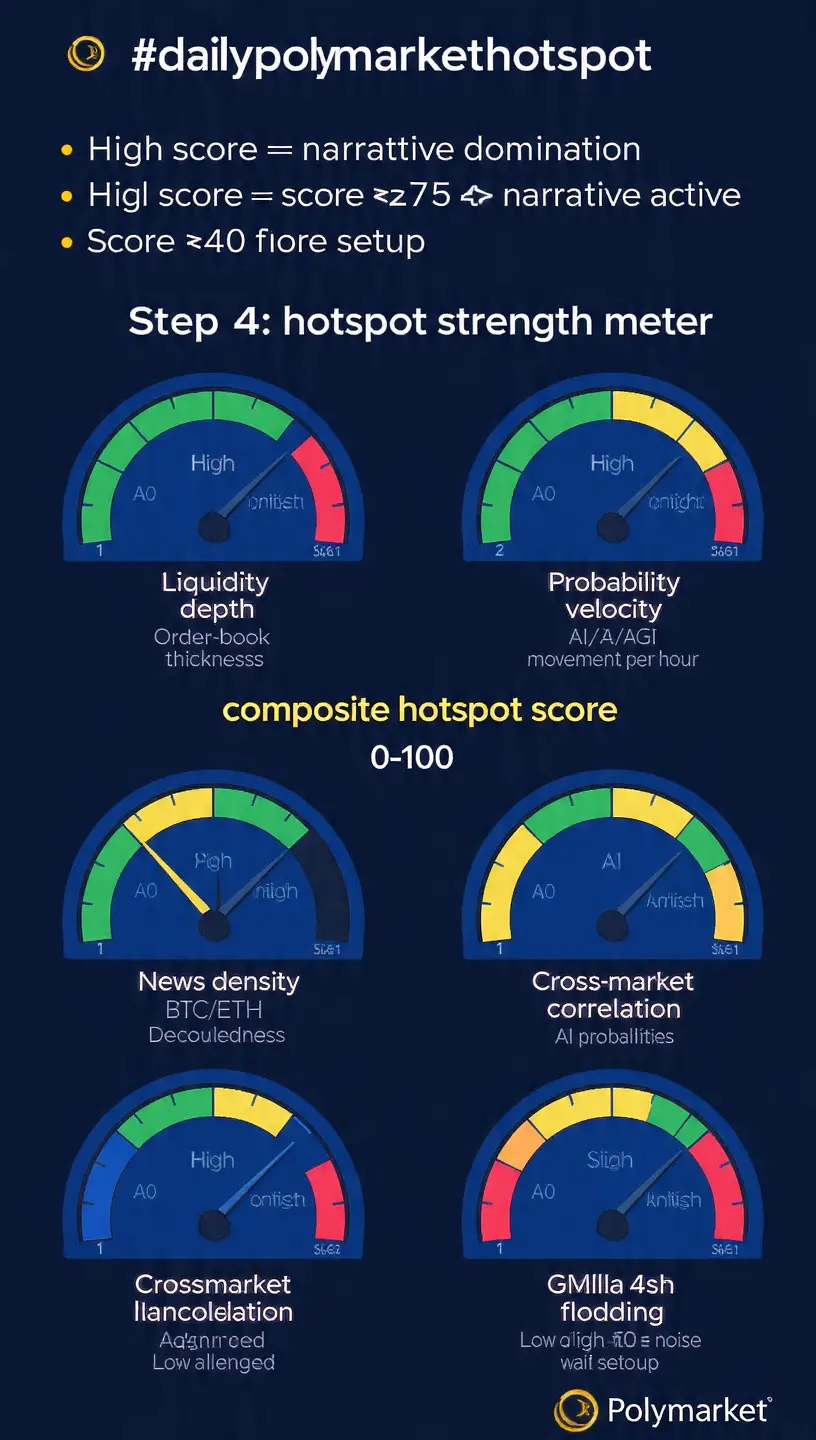
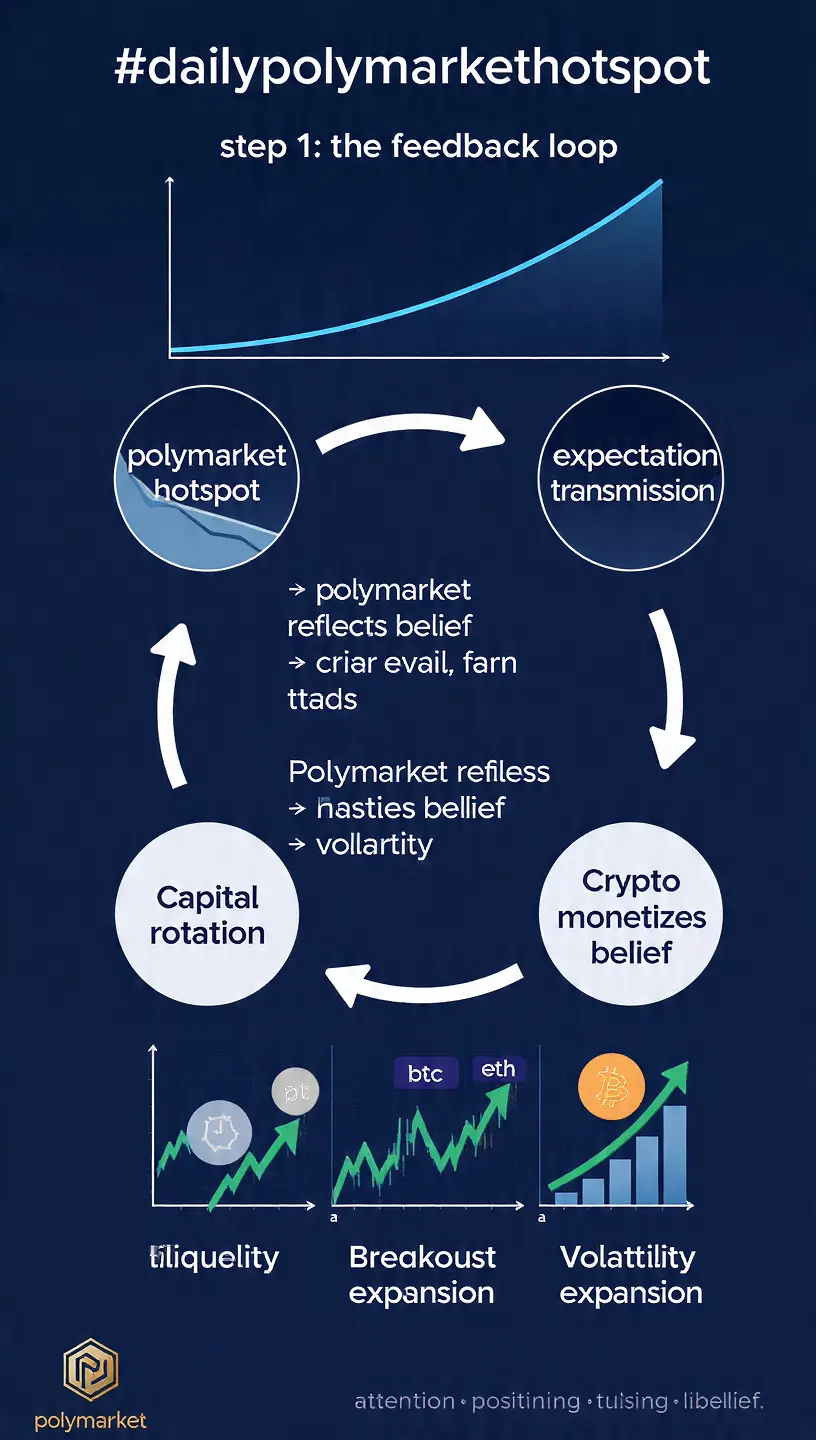
#DailyPolymarketHotspot Crypto Market Impact, Strategic Meaning, and Trader Advantage in AI-Driven Narratives
INTRODUCTION — WHY THIS HOTSPOT MATTERS BEYOND PREDICTION MARKETS
The current dominance of AI milestones, AGI timeline expectations, and machine intelligence probability shifts on Polymarket is not just a reflection of speculative interest, but a broader signal of how global market psychology is evolving. What makes this particularly important for crypto traders is that Polymarket is no longer functioning as an isolated prediction platform—it has become a real-time sentiment engine th
BTC0.8%
ETH-0.26%
post-image
post-image
post-image
  • Reward
  • 14
  • 1
  • Share
Crypto_Buzz_with_Alex:
2026 GOGOGO 👊
View More
#DeFiLossesTop600MInApril
DeFiLossesTop600MInApril
Record-Level Security Losses in April 2026
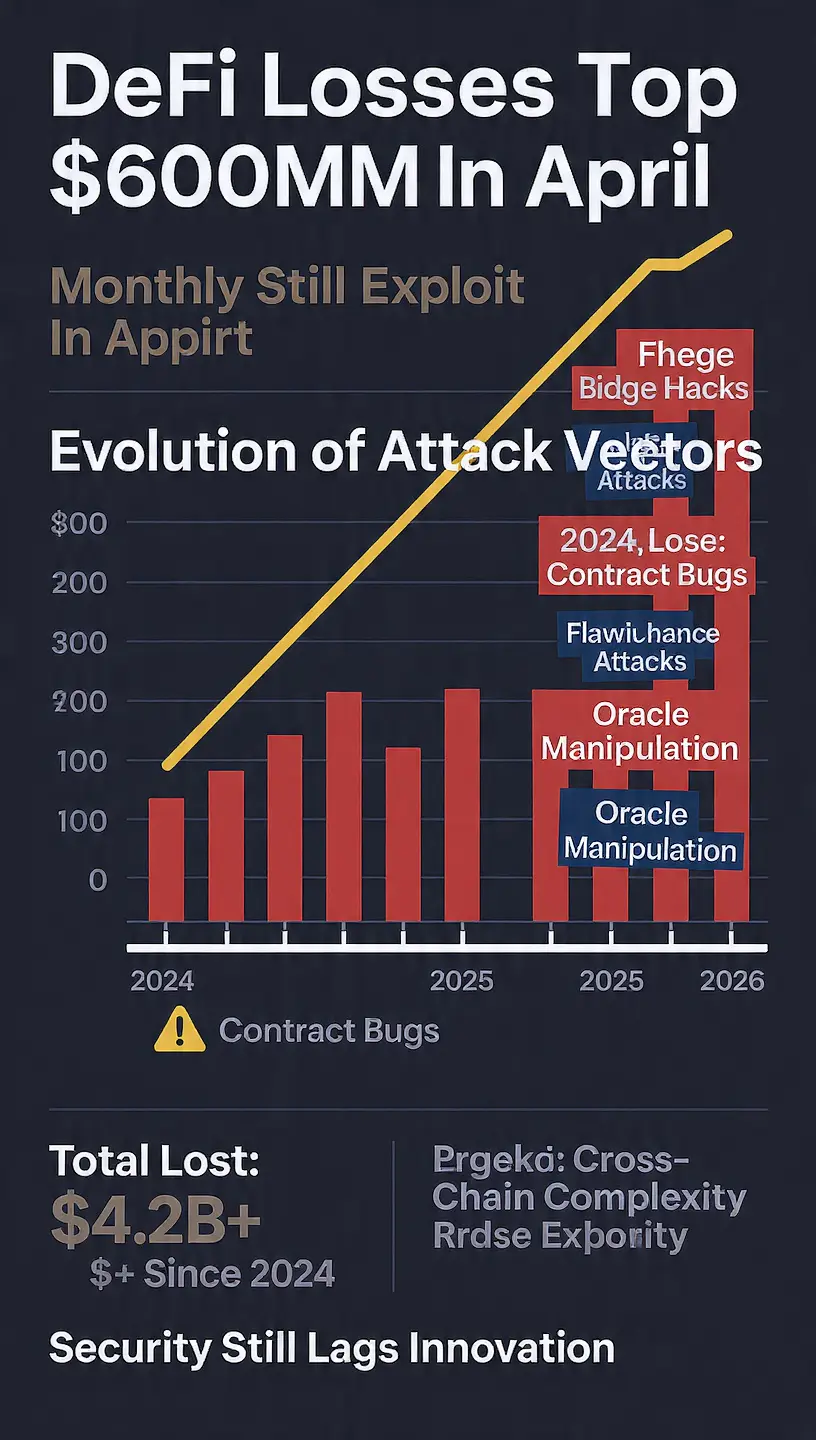
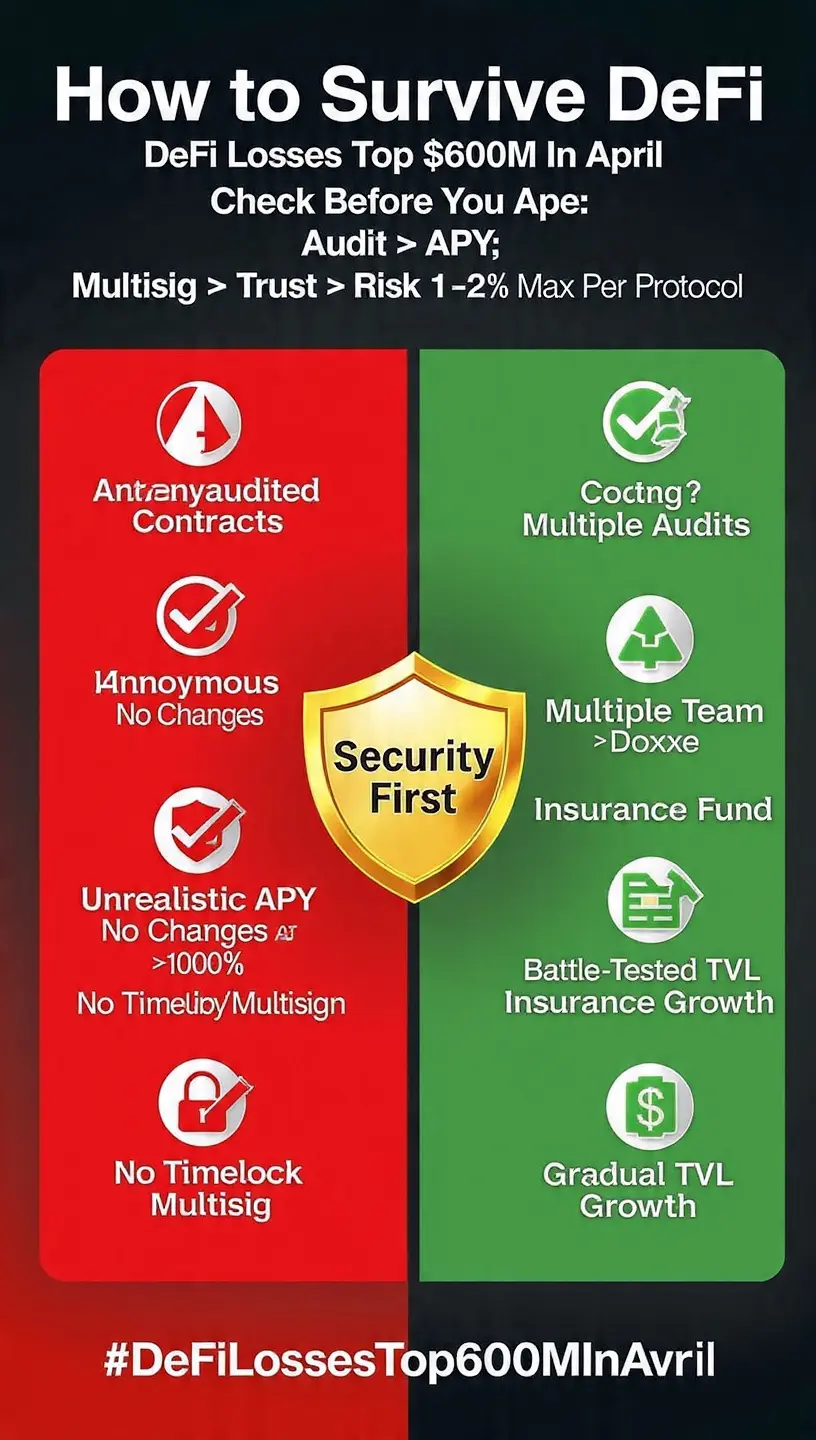
The decentralized finance ecosystem is currently going through one of its most critical security stress phases, as total losses from hacks and protocol exploits in April 2026 have crossed the $600 million mark. This sharp increase in exploit-related damage reflects not only isolated incidents but a broader structural vulnerability across multiple layers of DeFi infrastructure. The scale and frequency of attacks during this period indicate that adversaries are becoming more sophisticated, targeting we
BTC0.8%
ETH-0.26%
post-image
post-image
post-image
  • Reward
  • 11
  • Repost
  • Share
Crypto_Buzz_with_Alex:
To The Moon 🌕
View More
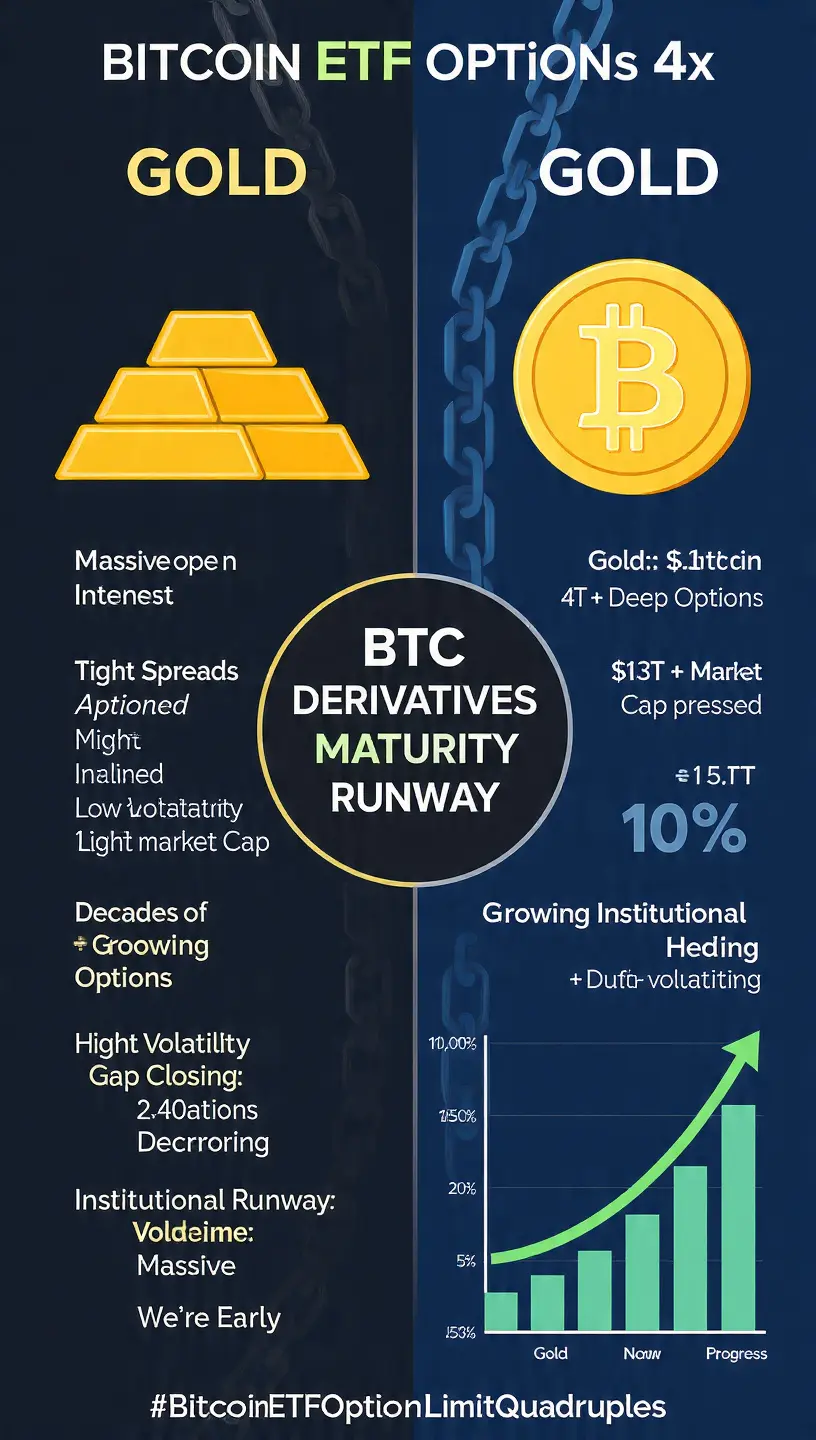
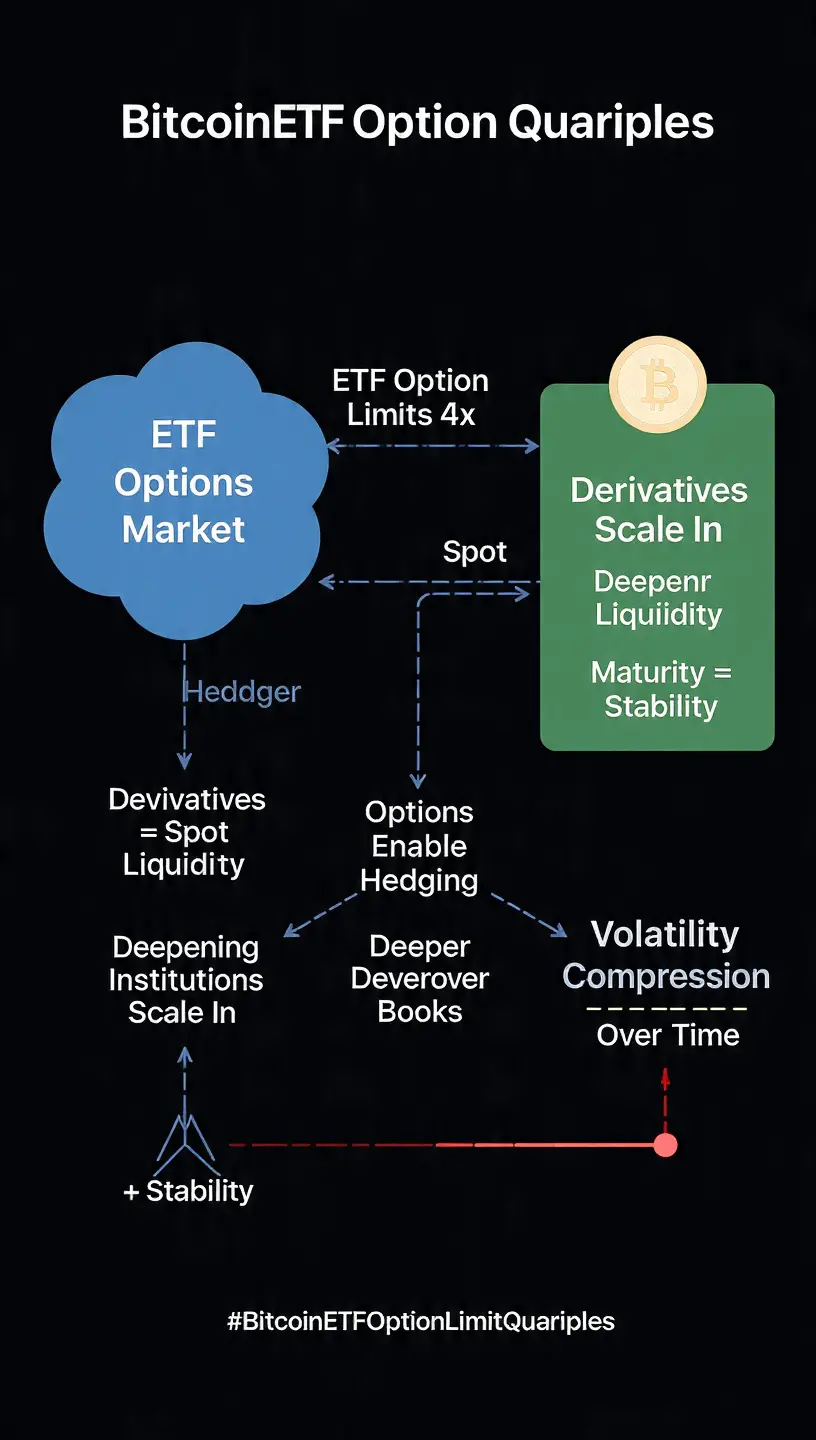
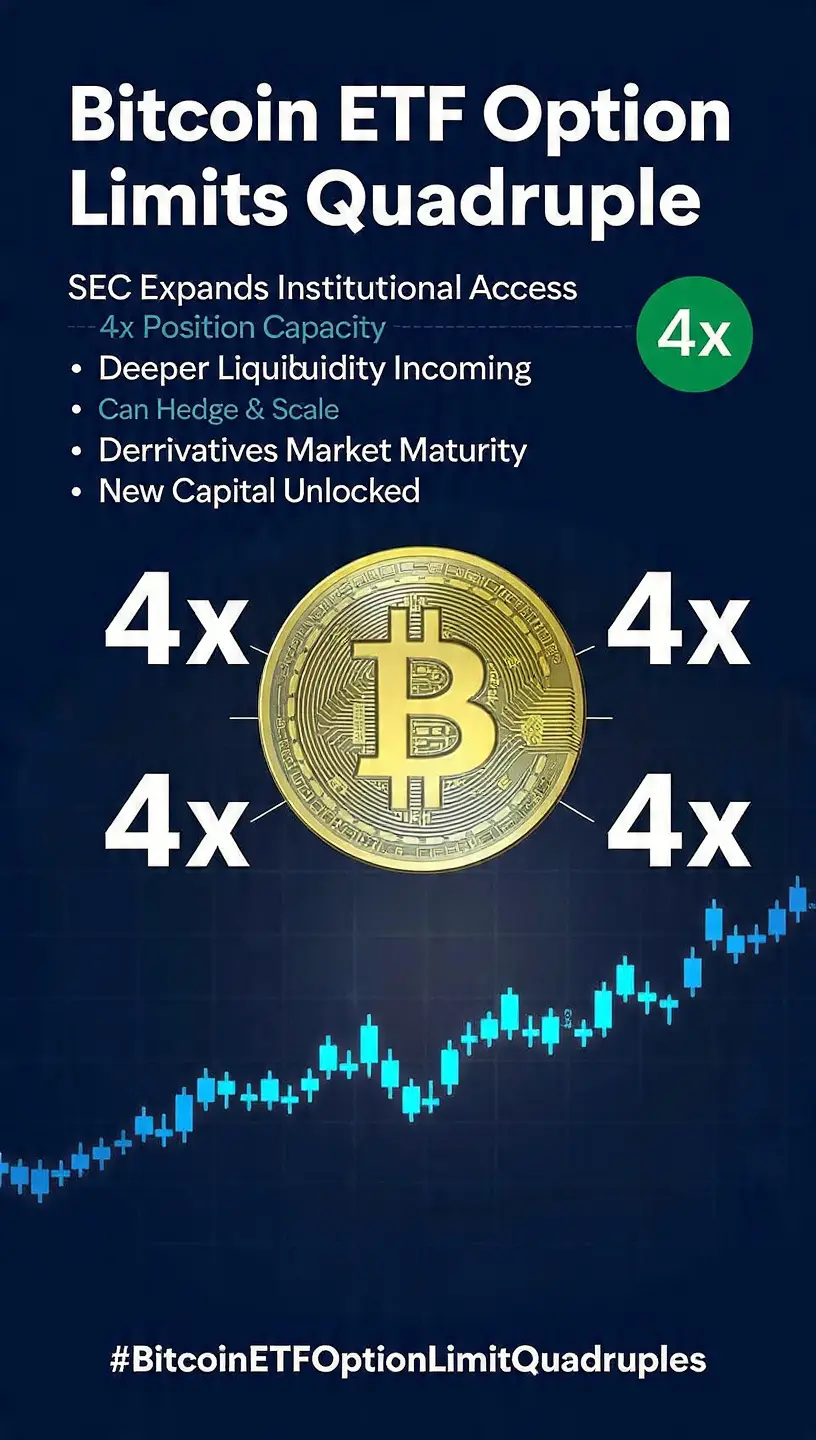
#BitcoinETFOptionLimitQuadruples
Bitcoin ETF Option Limits Quadruple: A Major Institutional Shift That Could Reshape Bitcoin Market Structure
The latest approval to expand Bitcoin ETF options limits from 250,000 contracts to 1 million contracts is one of the most important structural developments for Bitcoin in 2026, and in my opinion, many traders are still underestimating its impact. This is not just a technical adjustment inside the derivatives market. This is a signal that Bitcoin is becoming deeply integrated into traditional financial infrastructure at a level that was almost impossible
BTC0.8%
post-image
post-image
post-image
  • Reward
  • 15
  • 1
  • Share
Yunna:
LFG 🔥
View More
🔹added to his ETH long positions, bringing the total to over $30
2,788 views
2026-05-04 04:49
  • Reward
  • 3
  • Repost
  • Share
Crypto_Buzz_with_Alex:
To The Moon 🌕
View More
DragonFlyOfficial
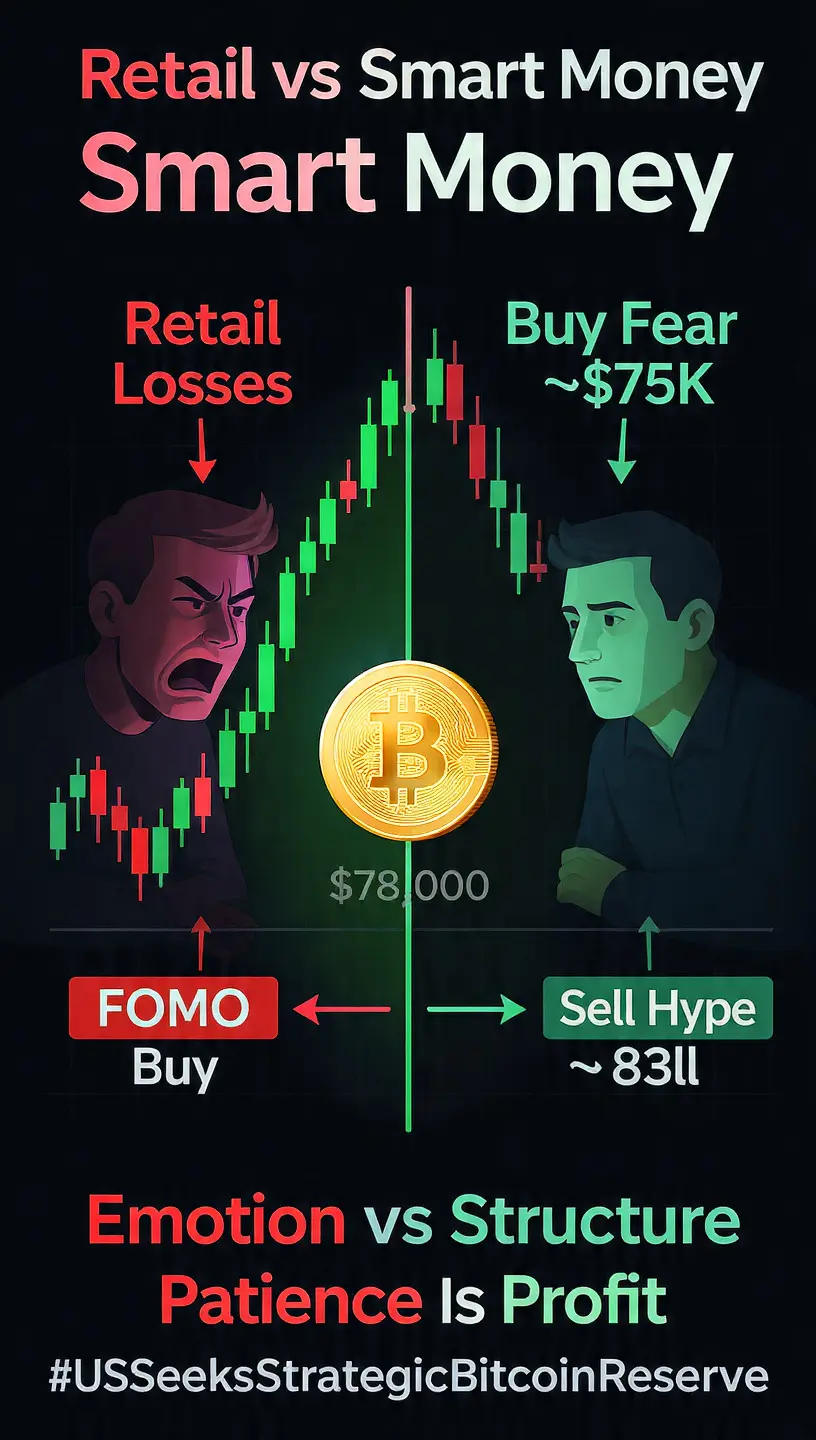
#USSeeksStrategicBitcoinReserve
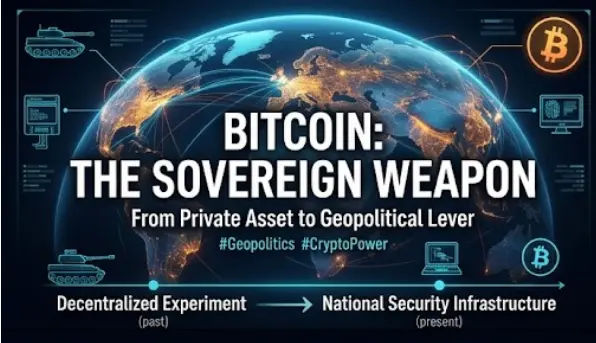
Bitcoin Has Become a Weapon of Nations
From Private Asset to Geopolitical Lever — The New Crypto Reality No One Predicted
Two announcements in the span of days have fundamentally reshaped how the world understands Bitcoin — and neither came from a crypto exchange.
Secretary of Defense Pete Hegseth confirmed before the House Armed Services Committee that the Pentagon is running classified Bitcoin operations designed to secure a strategic advantage over rival nations, particularly China. His exact words: "A lot of the things we are doing, enabling it or defeating it, are classified efforts that are ongoing inside our department, which do provide us a lot of leverage in a lot of different scenarios."
Meanwhile, Treasury Secretary Scott Bessent announced that the U.S. has seized nearly $500 million in Iranian cryptocurrency assets as part of "Operation Economic Fury" — including a $344 million freeze of USDT tied to the Central Bank of Iran and the Islamic Revolutionary Guard Corps.
These aren't isolated policy moves. They represent a paradigm shift: Bitcoin has graduated from a decentralized experiment to a contested instrument of national power.
The Pentagon's Bitcoin Program: What We Know
Hegseth's disclosure was reinforced by Admiral Samuel Paparo Jr., head of U.S. Indo-Pacific Command, who confirmed the military is running a live Bitcoin node and testing the protocol for operational applications. Paparo described Bitcoin as "a peer-to-peer zero-trust transfer of value" and stated that anything supporting "all instruments of national power for the United States of America is to the good."
Representative Lance Gooden (R-TX) framed it bluntly: Bitcoin has become a "geopolitical weapon used by multiple adversaries." He cited China's estimated holdings of ~194,000 BTC and warned of North Korean ransomware operations and Iran's use of crypto for sanctions evasion — including demanding cryptocurrency payments from oil tankers transiting the Strait of Hormuz.
The U.S. government currently holds approximately 328,372 BTC (~$24.5 billion) in what has been branded the Strategic Bitcoin Reserve, established by executive order in March 2025. A bipartisan push is now underway in Congress to codify self-custody protections and prevent future administrations from reversing the policy.
Operation Economic Fury: The $500M Iranian Crypto Seizure
The Treasury's action wasn't a routine sanctions enforcement. OFAC directed Tether to freeze over $344 million in USDT across wallets linked to the Central Bank of Iran and the IRGC, with blockchain analytics confirming transactions routed through intermediary addresses interacting with CBI-associated wallets.
Chainalysis reports that Iran's crypto ecosystem has grown to $7.8 billion, with the IRGC increasingly dominant in on-chain activity — using crypto to move commodities, launder funds, transfer arms to proxy networks, and evade sanctions across multiple jurisdictions.
The seizure raises uncomfortable questions: If stablecoins can be frozen by government directive, what does "decentralization" actually mean in practice? Tether's compliance with OFAC demonstrates that even "permissionless" assets have centralized choke points when issued on chains governed by compliant issuers.
The Sovereign Adoption Cascade
The U.S. isn't alone in treating Bitcoin as strategic infrastructure:
Pakistan announced the creation of a government-led Strategic Bitcoin Reserve in 2026
Taiwan is actively considering allocating part of its $602 billion in foreign reserves to BTC, driven by geopolitical risk assessments from the Bitcoin Policy Institute
Bhutan has been quietly mining Bitcoin with state resources for years
China is estimated to hold ~194,000 BTC despite its domestic trading ban — a paradox that underscores the strategic value contradiction
The pattern is clear: nations that publicly dismiss Bitcoin often quietly accumulate it. The gap between rhetoric and reserves is becoming the defining feature of sovereign crypto strategy.
The Paradox at the Core
Bitcoin's original promise was anti-state: a currency beyond government control, censorship-resistant, governed by mathematics rather than mandates. Now the world's most powerful military is running classified operations around it, and the Treasury is using stablecoin infrastructure as a sanctions weapon.
This creates a tension that the crypto community has not fully reckoned with:
Anti-censorship vs. compliance: The same infrastructure that lets dissidents move money also lets sanctioned states evade restrictions — and the same issuer compliance that freezes IRGC wallets could, in theory, freeze any wallet under government pressure.
Decentralization vs. strategic control: When the Pentagon runs a Bitcoin node and frames it as "power projection," the narrative of a stateless network collides with the reality of state adoption.
Private sovereignty vs. sovereign reserve: Self-custody advocates argue that Bitcoin distributed across millions of wallets is "resistant to confiscation." But when nations hold hundreds of thousands of BTC in reserves, concentration risk mirrors the gold reserve dynamics Bitcoin was designed to escape.
What Comes Next
Three dynamics will shape the next phase:
The sovereign accumulation race: If the U.S. holds 328K BTC and China ~194K BTC, other nations face a strategic choice — accumulate or be left behind. Taiwan and Pakistan are early signals of a broader cascade.
The stablecoin sovereignty problem: The $344M USDT freeze proves that stablecoins are de facto extensions of U.S. financial policy. Nations seeking true censorship resistance will need to look beyond issuer-controlled tokens — or build their own.
The classified operations black box: Hegseth's "enabling it or defeating it" phrasing suggests the Pentagon's Bitcoin engagement spans both adoption and adversarial disruption. What "defeating it" means — network-level attacks? Regulatory pressure on adversary miners? — remains unknown and deeply consequential.
Bitcoin was born as a rebellion against centralized money. It is now becoming the centralized money's most contested strategic asset. The question is no longer whether governments will adopt crypto — they already have, in secret and in public. The question is whether crypto's founding principles can survive that adoption, or whether the tool of liberation becomes, inevitably, the tool of power.
The next chapter of Bitcoin's story won't be written by developers or miners. It will be written by legislatures, defense ministries, and central banks — and the crypto community needs to be in that room, or it will find the rules written without them.
repost-content-media
  • Reward
  • 6
  • Repost
  • Share
Crypto_Buzz_with_Alex:
2026 GOGOGO 👊
View More
discovery
#USSeeksStrategicBitcoinReserve
Why Does the US Want a Bitcoin Reserve and What Does It Mean for Crypto Markets?
The idea of a “Strategic Bitcoin Reserve” in the US is no longer just speculation. Recent moves from the White House and Congress show that Bitcoin is beginning to be treated as a national strategic asset like gold and oil. Here’s what you need to know:
1. Latest Developments on the Agenda
The White House is advancing the policy framework for a Bitcoin reserve. Patrick Witt, Executive Director of the President’s Council of Advisers on Digital Assets, said at the Bitcoin 2026 conference that a “major announcement” will be made in the coming weeks. The goal is to manage the government’s Bitcoin holdings in an organized way and grow the reserve without straining the budget.
With the Presidential Executive Order signed in March 2024, the “Strategic Bitcoin Reserve and Digital Asset Stockpile” was officially established. The foundation of the reserve is the roughly 200,000 BTC seized from criminal proceeds.
Congress has also taken action. Senator Cynthia Lummis’s BITCOIN Act and Representative Nick Begich’s ARMA Act propose purchasing up to 1 million BTC over 5 years and holding the reserve for 20 years. Treasury Secretary Scott Bessent confirmed they are exploring “budget-neutral ways to acquire more BTC.”
The Pentagon is involved too. US Indo-Pacific Command announced it maintains a Bitcoin node for network security efforts. Defense circles now view Bitcoin as a national security issue.
2. Why Does the US Want a Bitcoin Reserve?
First, to support dollar hegemony. As seen in the case of Taiwan, countries are considering BTC to diversify their FX reserves. By adding BTC to its reserves, the US aims to preserve its reserve currency status in the digital age.
Second, to capitalize on seized assets. The federal government currently holds roughly 328,000 BTC. Instead of selling these assets, the strategy is to hold them as “digital gold” to benefit from long-term value appreciation.
Third, a geopolitical move. According to Marathon CEO Fred Thiel, if the US doesn’t expand its own hash power and mining, transactions could be censored by foreign miners. Bitcoin mining is now viewed as a strategic resource like oil.
3. What Are the Impacts on the Market?
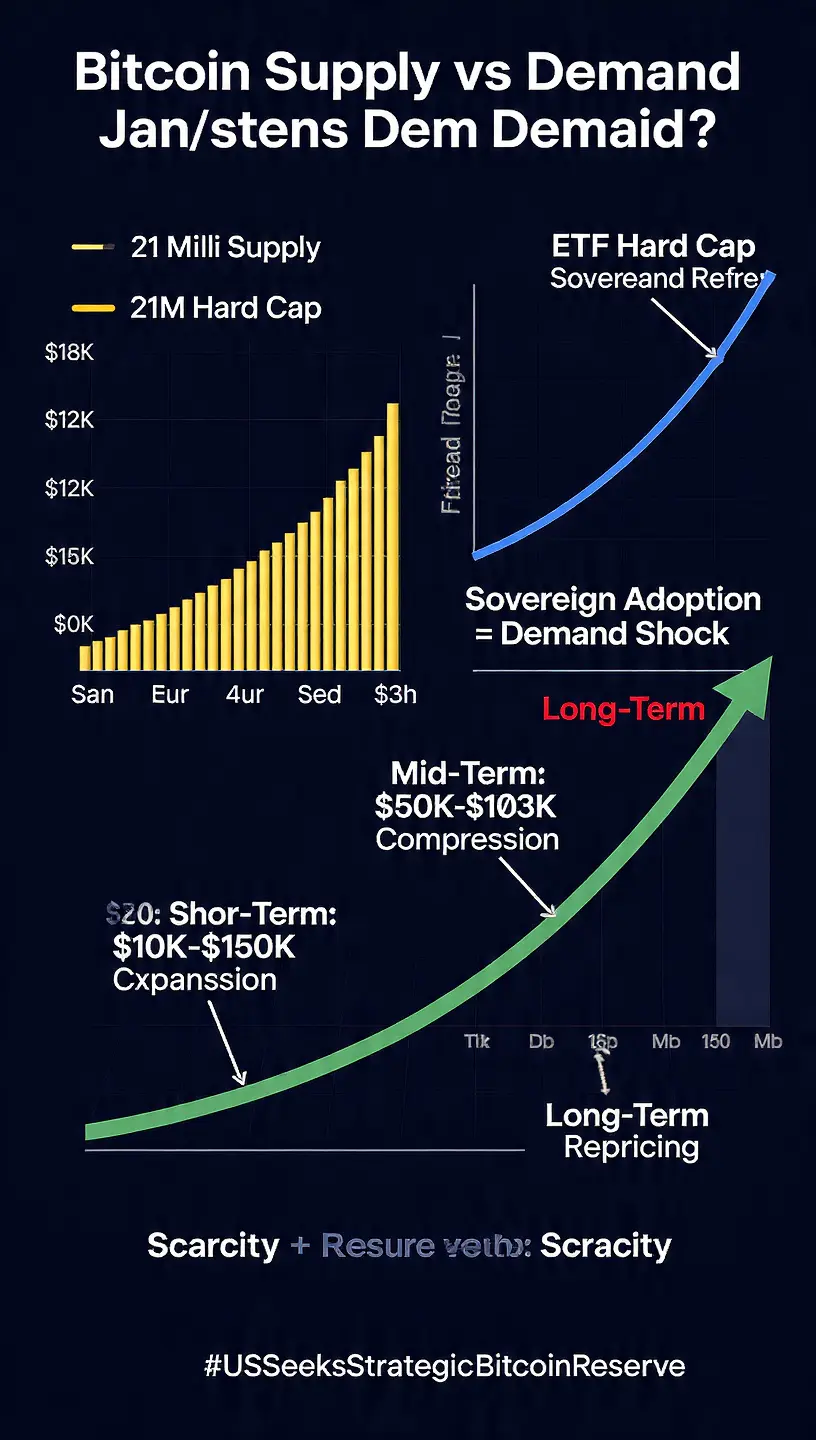
On price, government purchases could create a “supply shock.” Corporate treasury companies like Strategy are already withdrawing more BTC than ETFs. JPMorgan forecasts a long-term model value of $266,000 for BTC if regulatory clarity is achieved.
For institutional adoption, if the reserve is codified into law, it sets a precedent for pension funds and state treasuries. Lummis’s bill allows states to accept tax payments in BTC and transfer them to general funds.
On regulation, the CLARITY Act compromise limits interest payments by stablecoin issuers but preserves activity-based rewards. This provides clarity for exchanges and wallets.
In mining, the US plans to boost domestic hash rate by liberalizing energy policies. This strengthens network decentralization while also impacting energy stocks.
In geopolitical competition, estimates of China’s BTC holdings and Taiwan’s reserve debates are fueling the perception of a digital arms race.
4. What Should Investors Do?
Watch the supply side. If government purchases surpass ETF inflows, liquidity tightens. Strategy holding 818,334 BTC is an example of this.
Track the regulatory calendar. The CLARITY Act is expected to head to committee vote in May. A clear framework would accelerate institutional entry.
Be prepared for volatility. Government announcements create short-term “sell the news” moves. After rumors of the March 2025 executive order, BTC dipped to $75,500 before rebounding above $78,000.
Long-term view: The US putting BTC on its balance sheet as “digital gold” moves Bitcoin into a geopolitical asset class. That means correlation with gold may increase.
What We Think at Gate Global
At Gate, we see governments adding digital assets to reserves as the final phase of institutional adoption. There will be short-term regulatory and narrative-driven swings. In the medium to long term, Bitcoin’s positioning as a sovereign-class asset will increase demand for liquidity, custody, and mining infrastructure.
The market reacts fast to every headline, but the real game is in 10-20 year reserve strategies. Don’t forget risk management when positioning, and keep following developments from the Gate Global research team.
What do you think under the #USSeeksStrategicBitcoinReserve tag? Will the US move push Bitcoin to new highs, or does government involvement end decentralization? Let’s discuss in the comments.
Not investment advice. Crypto assets involve high risk.
#GateSquareMayTradingShare
#Gate广场五月交易分享
$XAUT $PAXG $BTC
repost-content-media
  • Reward
  • 9
  • Repost
  • Share
Crypto_Buzz_with_Alex:
To The Moon 🌕
View More
#USSeeksStrategicBitcoinReserve
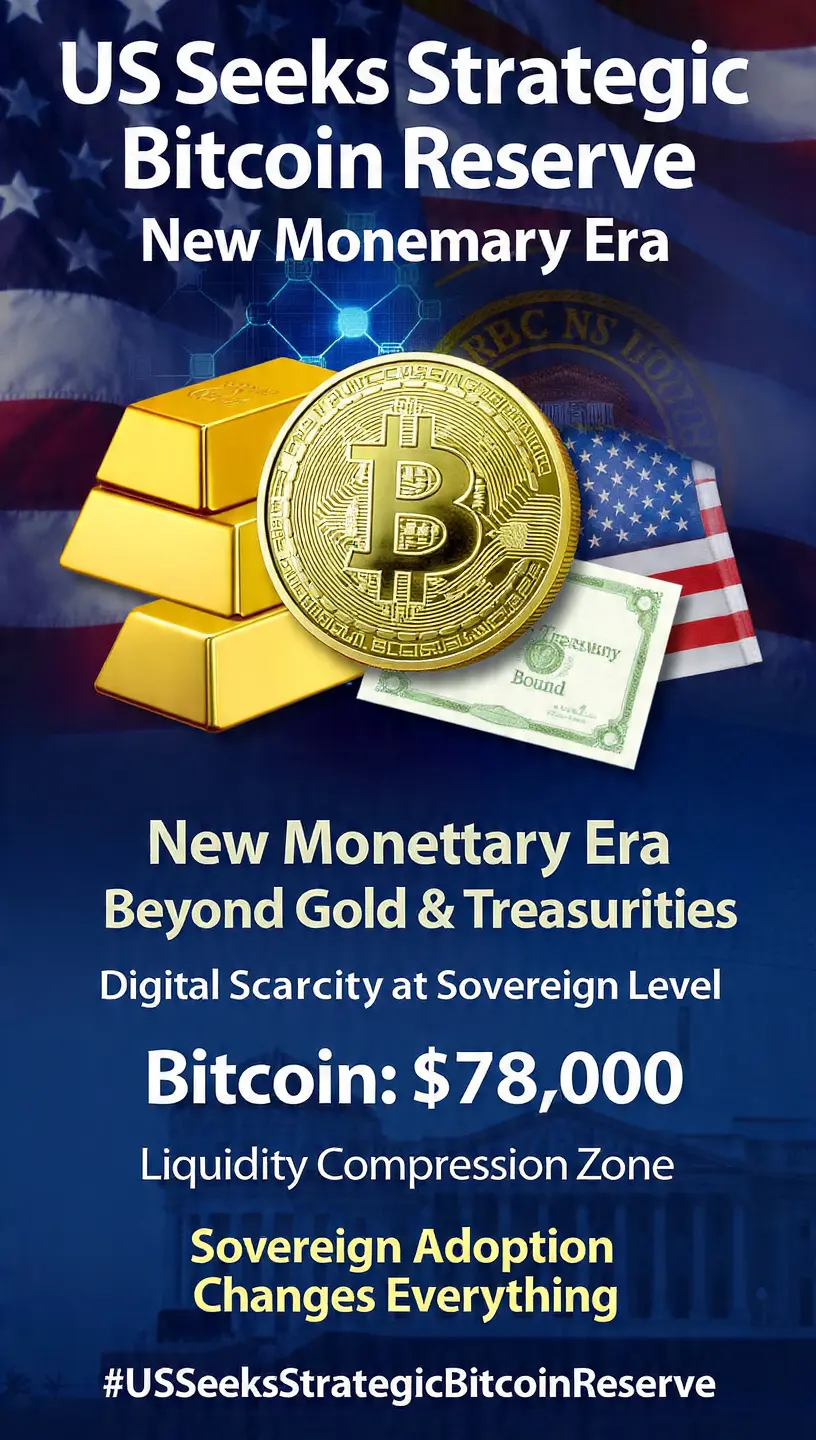
US Strategic Bitcoin Reserve: The Beginning of a New Monetary Era for Bitcoin
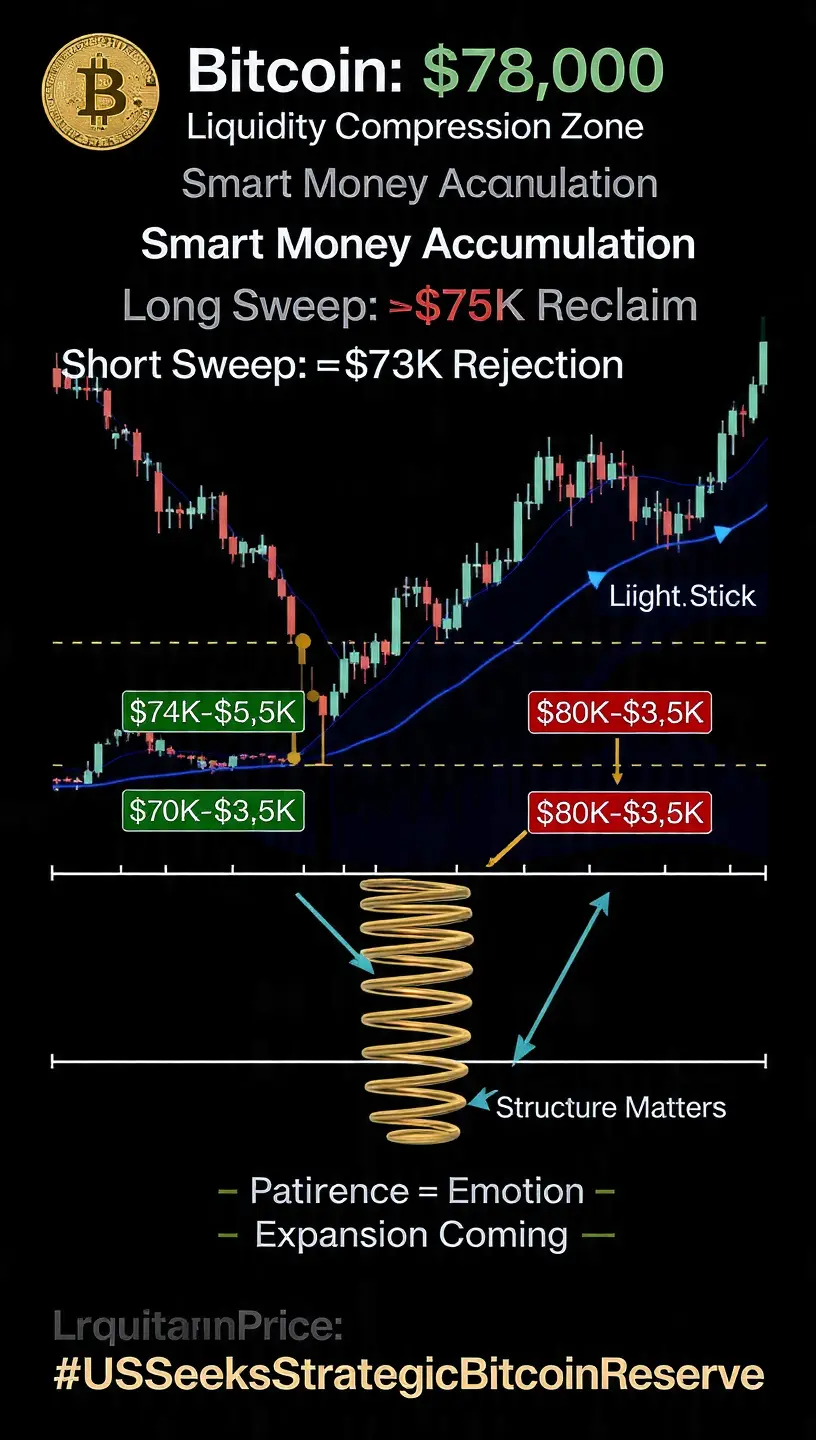
The discussion around a possible United States Strategic Bitcoin Reserve is no longer just another temporary crypto headline or speculative market rumor. In my view, this is one of the most important structural narratives Bitcoin has faced since institutional ETF adoption. Bitcoin is now trading near the $78,000–$79,000 region, and while many retail traders are focused on short-term volatility, the bigger picture is much deeper. What we are witnessing is not simply price action, but t
BTC0.8%
post-image
post-image
post-image
post-image
  • Reward
  • 12
  • Repost
  • Share
Yunna:
LFG 🔥
View More
  • Pin